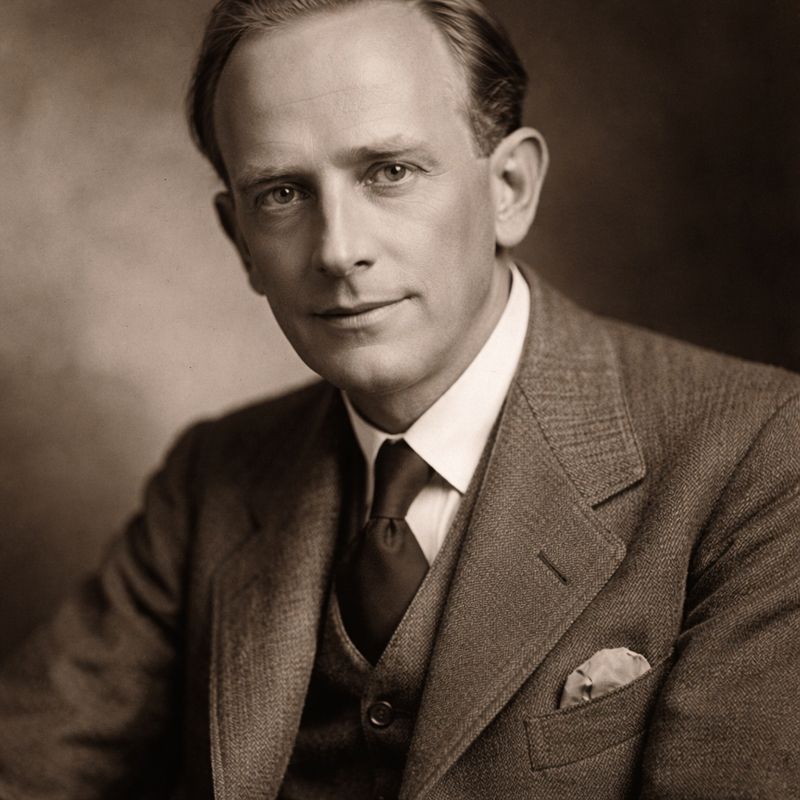
A. A. Milne
Biography
A. A. Milne was an English author best known for creating Winnie-the-Pooh, one of the most beloved characters in children’s literature. Beyond his work for children, Milne was also a playwright, essayist, and novelist whose writing reflected wit, clarity, and emotional intelligence. His literary career spans poetry, fiction, and drama, leaving a lasting mark on twentieth-century English literature.
Common themes in A. A. Milne's work
Children's Literature and Imagination
A recurring theme throughout A. A. Milne's writing.
Friendship and Loyalty
A recurring theme throughout A. A. Milne's writing.
Innocence and Childhood Wonder
A recurring theme throughout A. A. Milne's writing.
Nature and the English Countryside
A recurring theme throughout A. A. Milne's writing.
Books
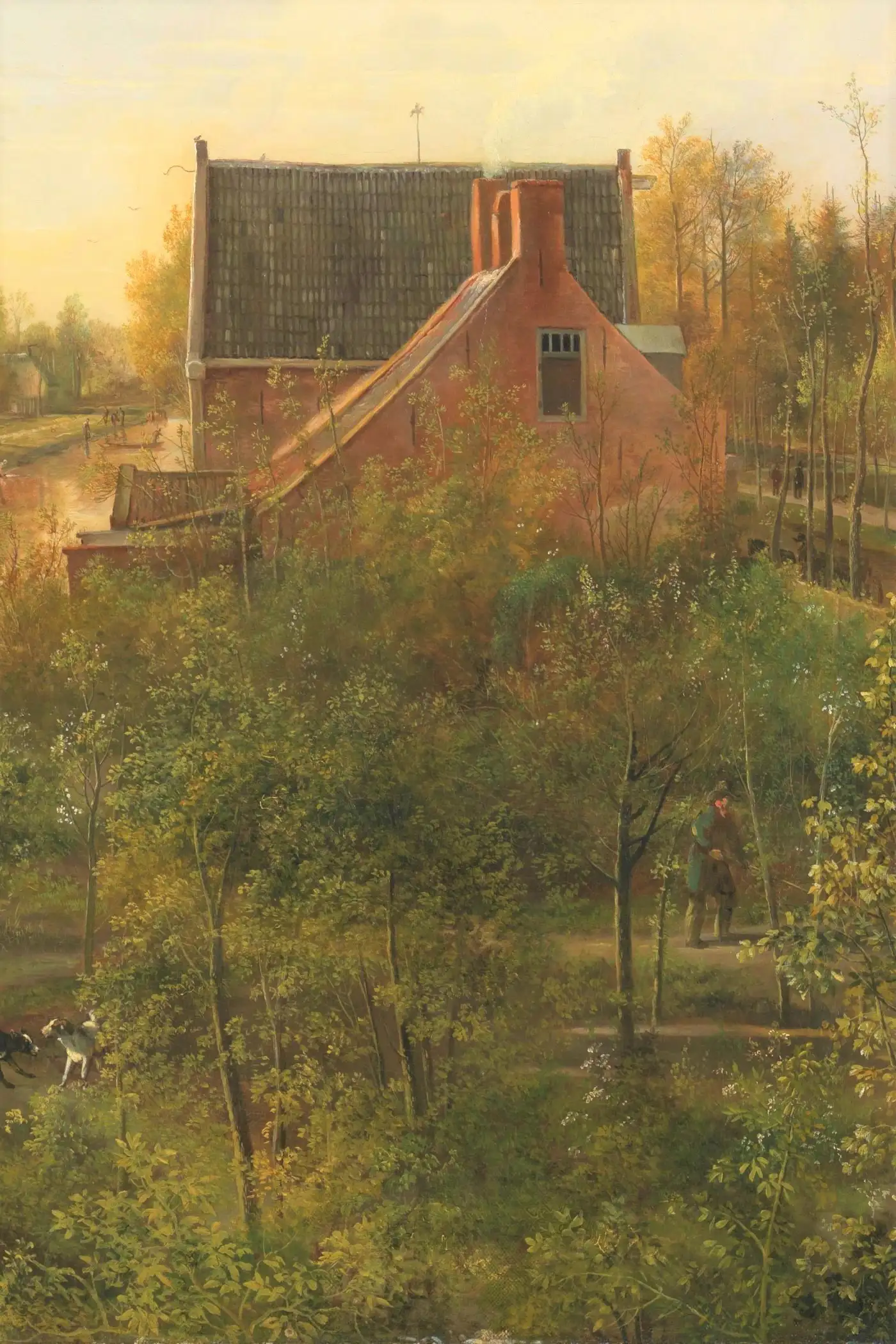
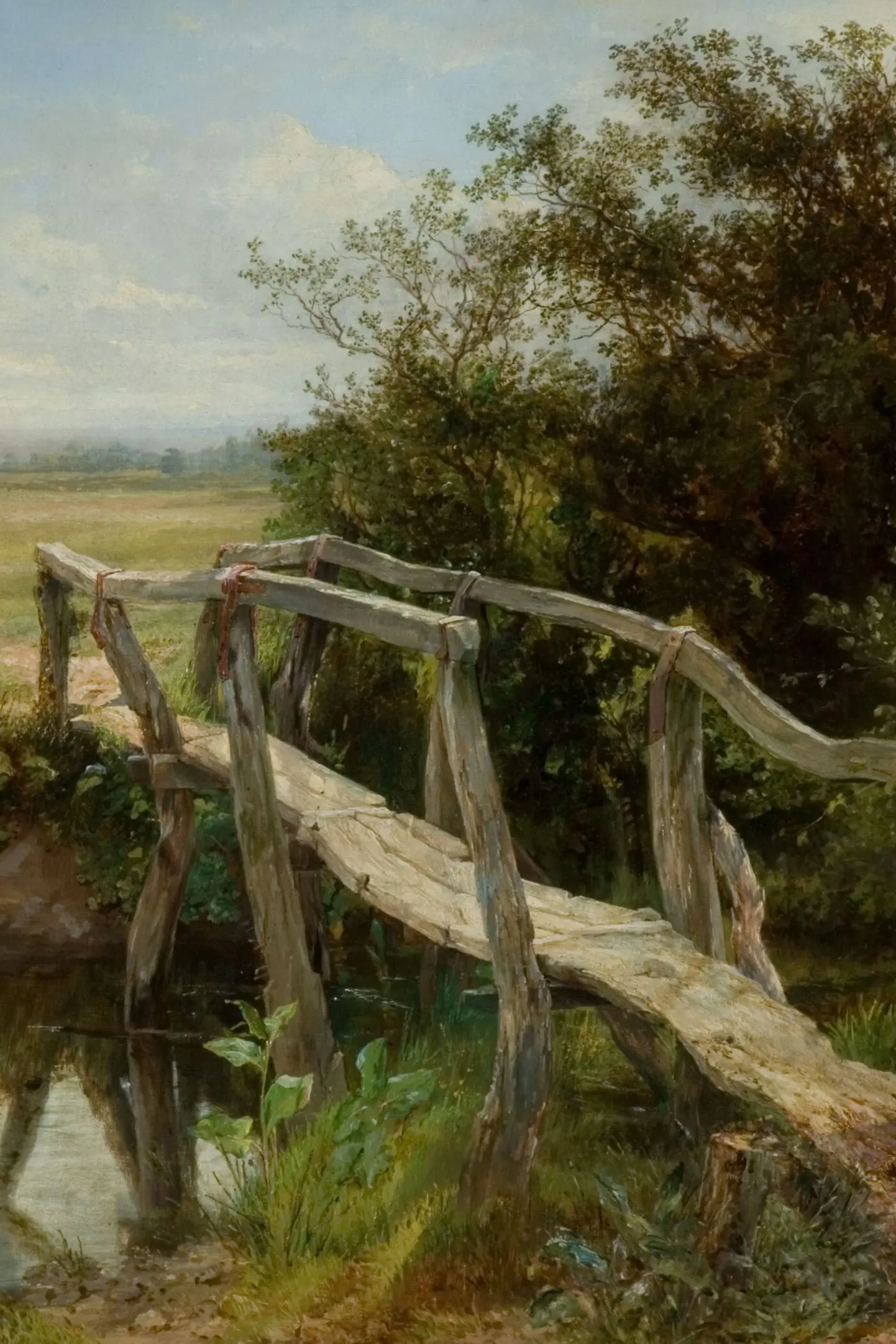
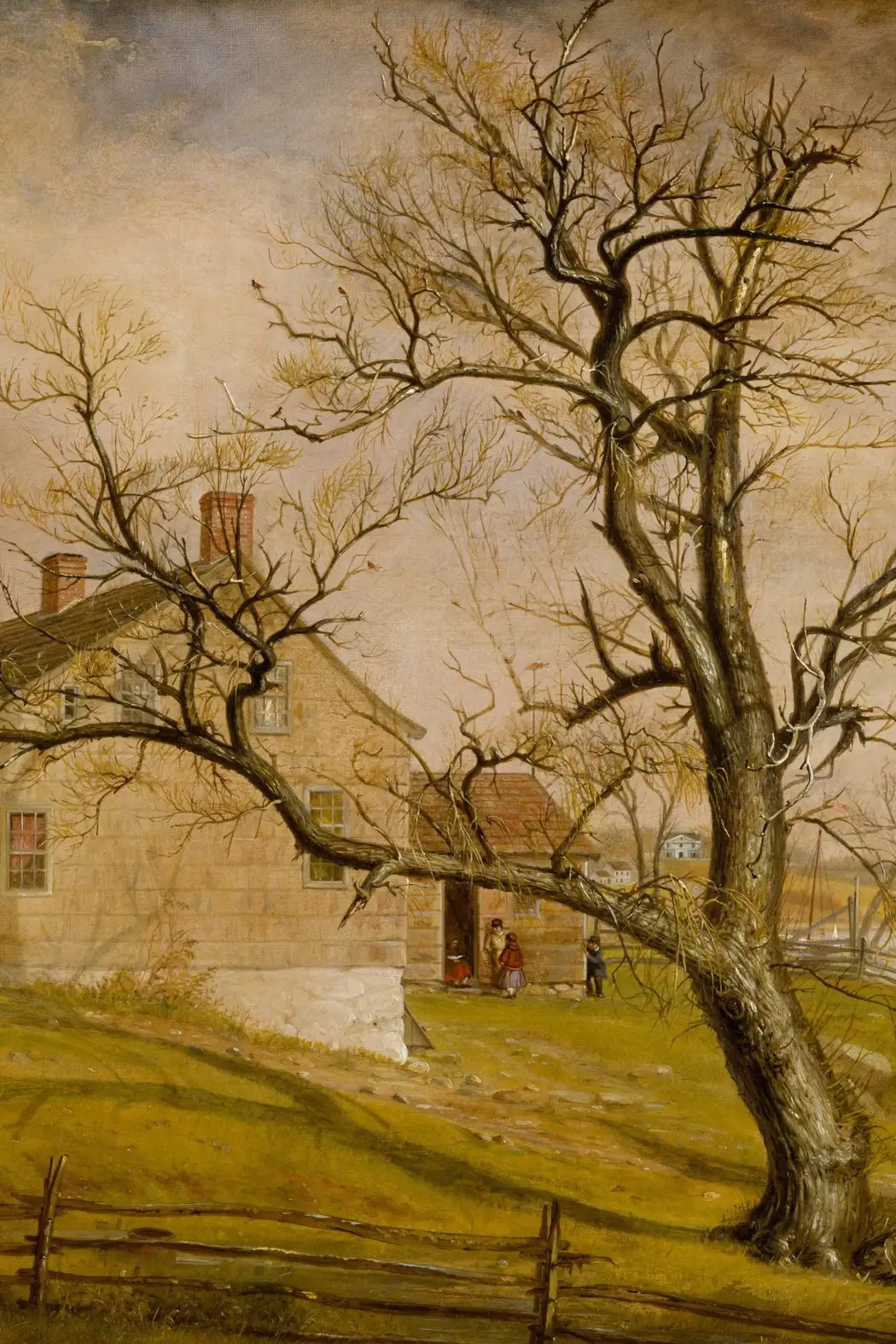
Explore by genre
Other authors you may enjoy
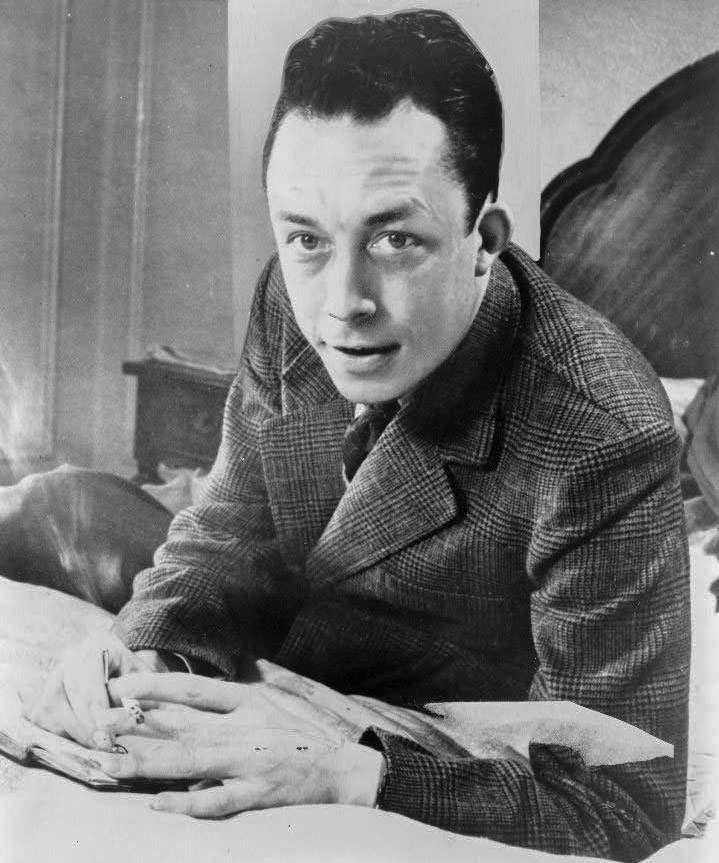
Why A. A. Milne is still read today
A. A. Milne remains profoundly relevant in modern culture as the creator of Winnie-the-Pooh, one of the most beloved and recognizable characters in children's literature. His stories, first published in the 1920s, continue to captivate new generations of readers worldwide. The Hundred Acre Wood characters — Pooh, Piglet, Eeyore, Tigger — have become cultural icons, appearing in countless adaptations by Disney and beyond. Milne's gentle exploration of friendship, kindness, and the wonder of childhood resonates deeply with contemporary audiences seeking warmth and simplicity. His quotes are widely shared on social media, proving the timelessness of his wisdom. Beyond children's entertainment, Milne's works are studied in literature courses for their deceptively simple prose style and psychological depth. The Tao of Pooh by Benjamin Hoff demonstrated how Milne's philosophy aligns with Eastern thought, broadening his intellectual appeal. His influence extends into therapeutic contexts, where his characters are used to discuss mental health and emotional intelligence with both children and adults.
Frequently Asked Questions
What is A. A. Milne best known for?
A. A. Milne is best known for creating Winnie-the-Pooh and the enchanting world of the Hundred Acre Wood, featuring beloved characters such as Piglet, Eeyore, Tigger, and Christopher Robin.
Was Christopher Robin a real person?
Yes, Christopher Robin was based on Milne's real son, Christopher Robin Milne. The stuffed animals that inspired the characters were actual toys belonging to the boy.
How many Winnie-the-Pooh books did Milne write?
Milne wrote two Winnie-the-Pooh story collections: Winnie-the-Pooh (1926) and The House at Pooh Corner (1928), along with two poetry collections: When We Were Very Young (1924) and Now We Are Six (1927).
Did A. A. Milne write anything besides children's books?
Yes, before Winnie-the-Pooh, Milne was a successful playwright, novelist, and essayist. He also wrote a detective novel, The Red House Mystery (1922), and contributed to Punch magazine.
Why are Winnie-the-Pooh stories still popular today?
The stories endure because of their universal themes of friendship, kindness, and simple wisdom. The characters are psychologically relatable, and the gentle humor appeals to both children and adults across cultures.
Essential cookies keep you signed in and save your reading progress. Analytics cookies help us understand how the site is used. You can reject analytics — we still work without them. Learn more in our Privacy Policy.