Aristotle
Biography
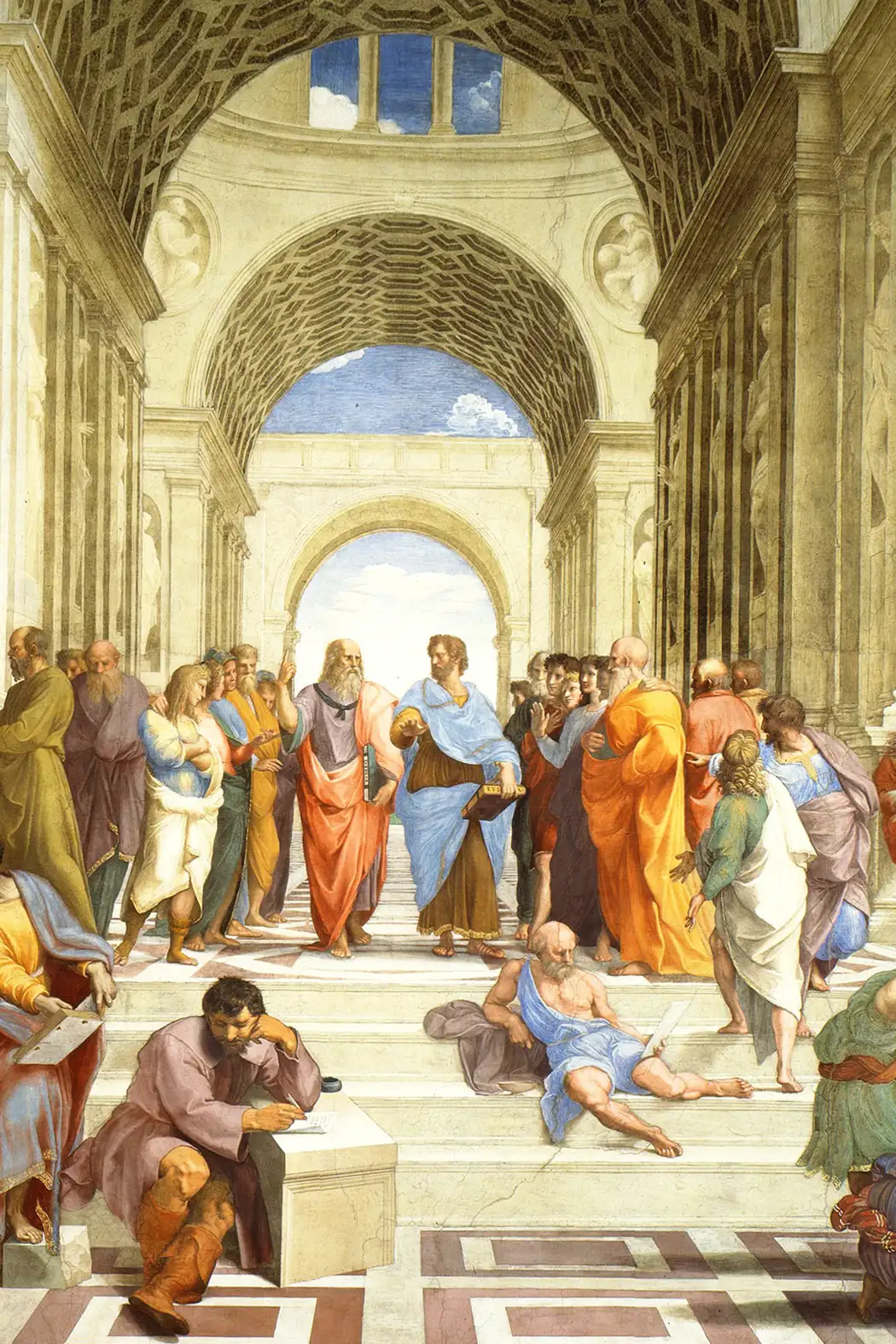
Aristotle (384–322 BCE) was an ancient Greek philosopher and polymath, one of the most influential thinkers in Western intellectual history. A student of Plato and tutor to Alexander the Great, Aristotle founded the Lyceum in Athens and wrote on virtually every subject known to the ancient world: logic, metaphysics, ethics, politics, biology, physics, rhetoric, and poetics. His works shaped Western philosophy, science, and theology for over two millennia. The Nicomachean Ethics, his most important ethical work, remains foundational to moral philosophy and is widely studied in universities worldwide.
Common themes in Aristotle's work
Ancient Greek Philosophy
A recurring theme throughout Aristotle's writing.
Ethics and Virtue
A recurring theme throughout Aristotle's writing.
Western Philosophy
A recurring theme throughout Aristotle's writing.
Classical Thought
A recurring theme throughout Aristotle's writing.
Books
Explore by genre
Other authors you may enjoy

Why Aristotle is still read today
Aristotle's thought remains the bedrock of Western philosophy, ethics, and political theory. His ethical framework—centered on virtue, happiness, and the good life—continues to inform contemporary moral philosophy and political thought.
Frequently Asked Questions
Who was Aristotle?
Aristotle was an ancient Greek philosopher, student of Plato and tutor to Alexander the Great, who wrote foundational works on virtually every field of knowledge.
What is the Nicomachean Ethics?
It is Aristotle's most important work on ethics, exploring virtue, happiness, and the good life. Read it free on TextStack.
Why is Aristotle still studied today?
His ideas on ethics, logic, politics, and science remain foundational to Western thought and are widely taught in universities worldwide.
Essential cookies keep you signed in and save your reading progress. Analytics cookies help us understand how the site is used. You can reject analytics — we still work without them. Learn more in our Privacy Policy.