C. E. Montague
Biography
Charles Edward Montague (1867–1928) was an English journalist, author, and war correspondent who served on the editorial staff of the Manchester Guardian for over thirty years. Despite being forty-seven when World War I began, Montague dyed his white hair black to enlist and served at the front. His postwar book Disenchantment (1922) became one of the most influential critiques of the war, expressing the bitter disillusionment of a patriotic idealist who witnessed the reality of modern warfare. Montague also wrote novels, short stories, and literary criticism, but it is Disenchantment for which he is remembered.
Common themes in C. E. Montague's work
World War I Literature
A recurring theme throughout C. E. Montague's writing.
War Disillusionment
A recurring theme throughout C. E. Montague's writing.
Anti-War Writing
A recurring theme throughout C. E. Montague's writing.
British Journalism
A recurring theme throughout C. E. Montague's writing.
Books
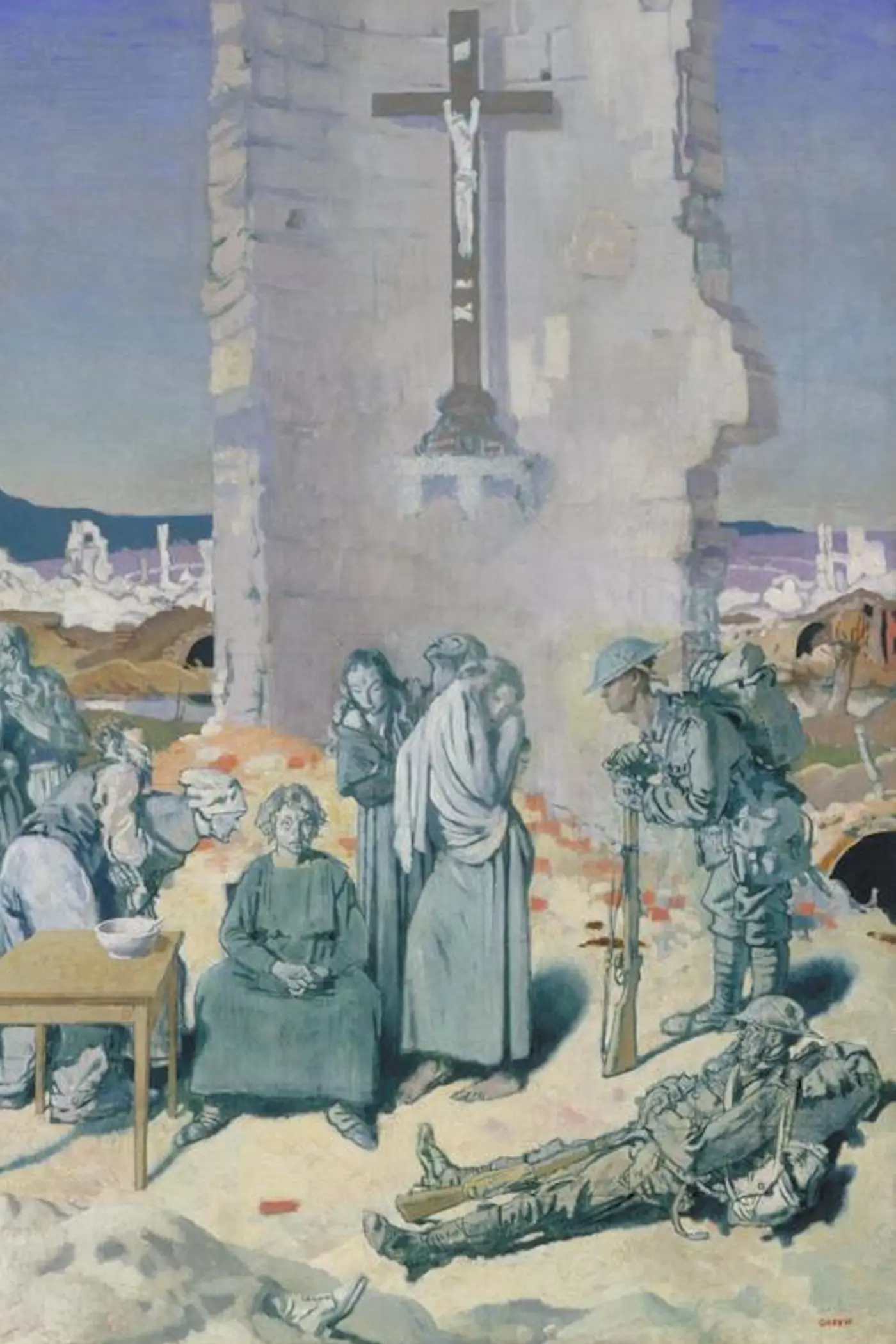
Explore by genre
Other authors you may enjoy
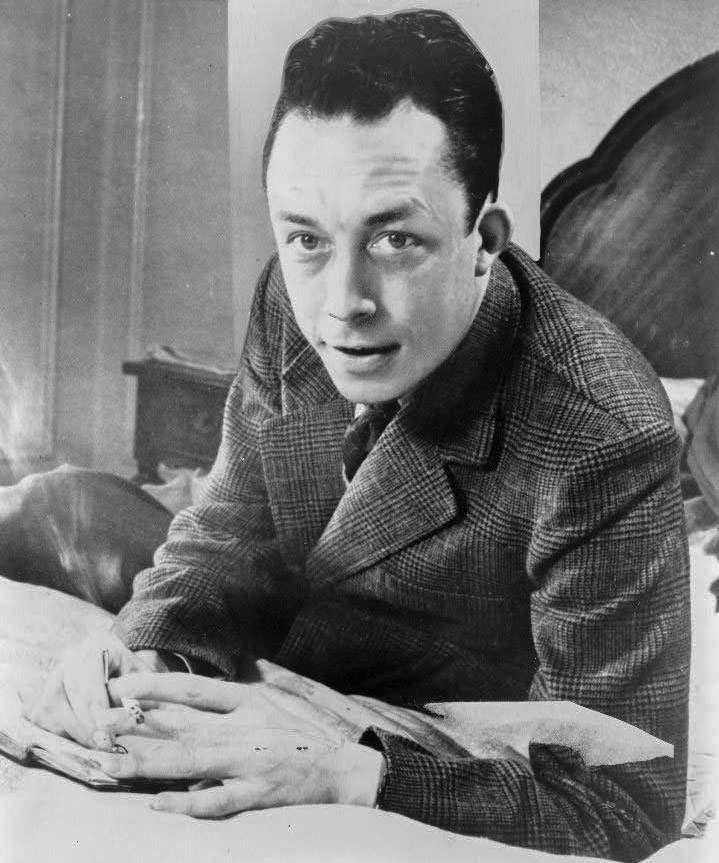
Why C. E. Montague is still read today
Disenchantment is a key text in the literature of World War I disillusionment, alongside works by Sassoon, Owen, and Graves. Montague's perspective as an older volunteer adds unique depth to the anti-war canon.
Frequently Asked Questions
Who was C. E. Montague?
C. E. Montague was a British journalist who enlisted in WWI at age 47 and wrote Disenchantment, a landmark critique of the war.
What is Disenchantment about?
It expresses the bitter disillusionment of a patriotic idealist who witnessed the reality of World War I firsthand. Read it free on TextStack.
Why is Disenchantment important?
It is one of the most influential critiques of WWI, alongside works by Sassoon, Owen, and Graves.
Essential cookies keep you signed in and save your reading progress. Analytics cookies help us understand how the site is used. You can reject analytics — we still work without them. Learn more in our Privacy Policy.