Calvin Coolidge
Biography
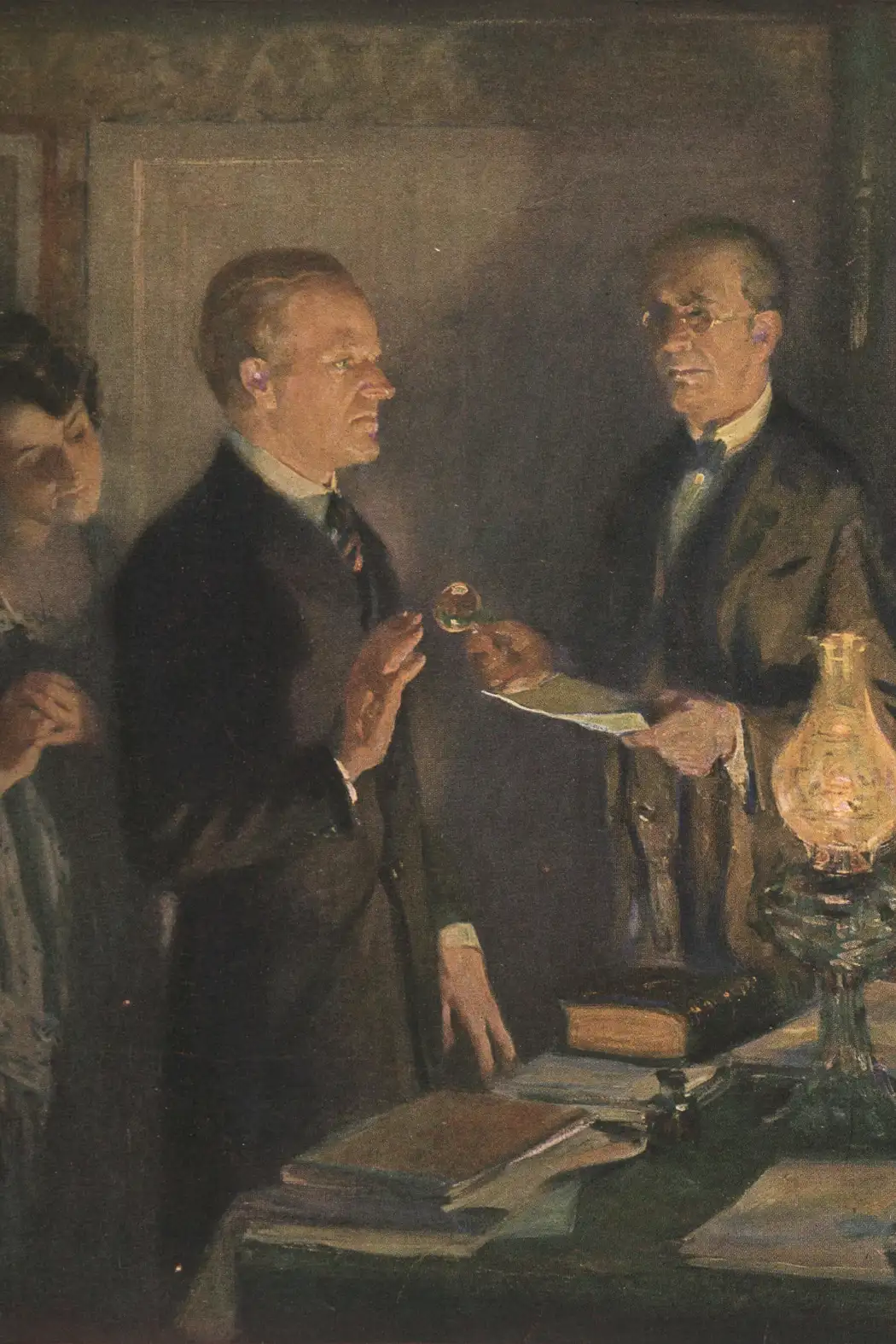
John Calvin Coolidge Jr. (1872–1933) was the thirtieth President of the United States, serving from 1923 to 1929. Known as "Silent Cal" for his taciturn manner, Coolidge became president upon the death of Warren G. Harding and was elected in his own right in 1924. His presidency was characterized by small government, tax cuts, and laissez-faire economics during the prosperity of the Roaring Twenties. His autobiography, published after leaving office, reflects his New England values of thrift, restraint, and quiet public service. Coolidge remains a controversial figure—admired by fiscal conservatives for his limited government approach, criticized by others for inaction before the Great Depression.
Common themes in Calvin Coolidge's work
American Presidency
A recurring theme throughout Calvin Coolidge's writing.
1920s Politics
A recurring theme throughout Calvin Coolidge's writing.
Limited Government
A recurring theme throughout Calvin Coolidge's writing.
Conservative Politics
A recurring theme throughout Calvin Coolidge's writing.
Books
Explore by genre
Other authors you may enjoy

Why Calvin Coolidge is still read today
Coolidge's presidency and philosophy of limited government remain touchstones in American political debate. His autobiography offers insight into an era of prosperity that ended in catastrophe.
Frequently Asked Questions
Who was Calvin Coolidge?
Calvin Coolidge was the 30th US President (1923–1929), known for his quiet manner and small-government philosophy during the Roaring Twenties.
What is The Autobiography of Calvin Coolidge about?
Coolidge reflects on his life, values, and presidency with characteristic New England restraint. Read it free on TextStack.
Why is Coolidge historically significant?
His limited government philosophy is still debated, and his presidency's relationship to the Great Depression remains a subject of historical analysis.
Essential cookies keep you signed in and save your reading progress. Analytics cookies help us understand how the site is used. You can reject analytics — we still work without them. Learn more in our Privacy Policy.