Charles Babbage
Biography
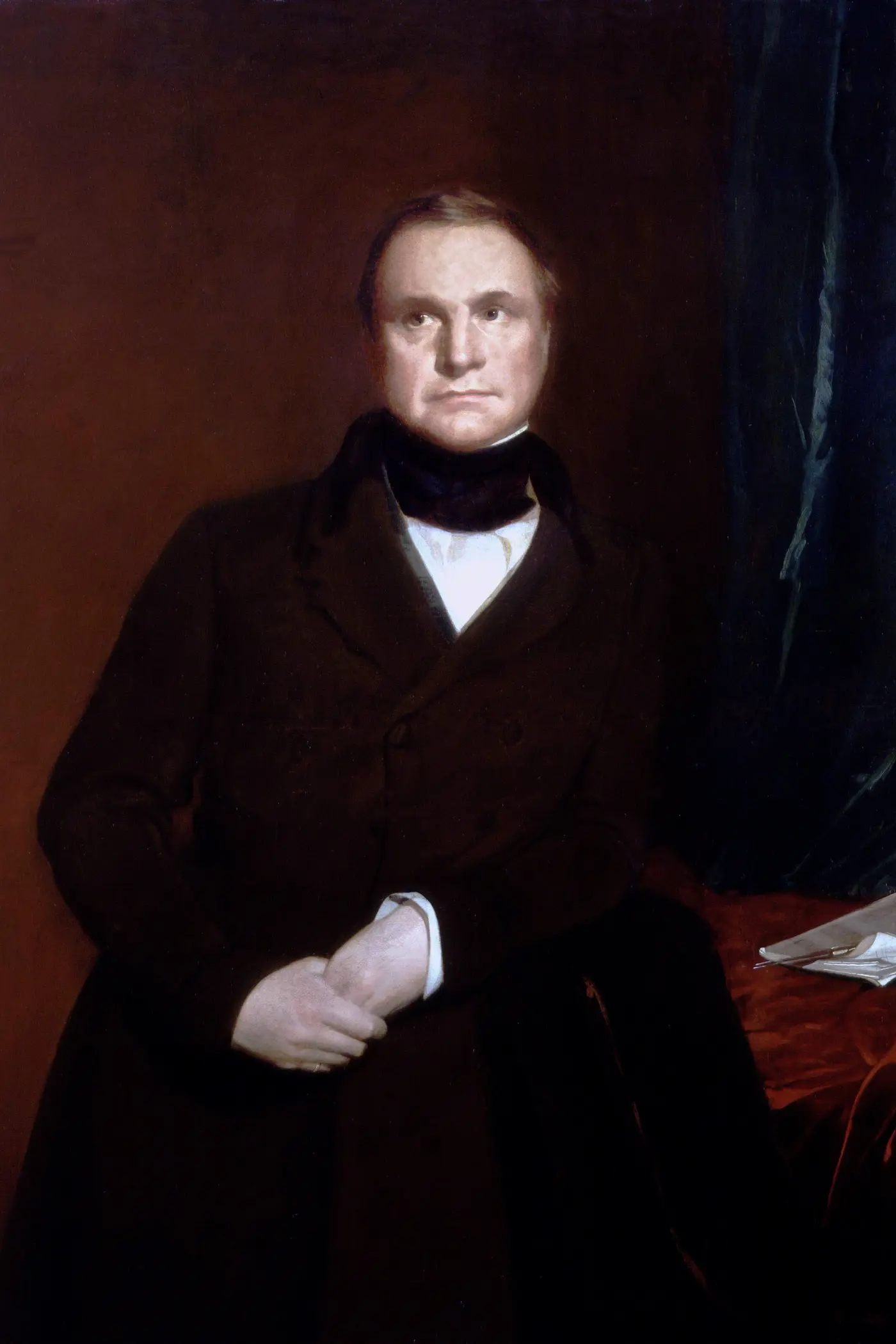
Charles Babbage (1791–1871) was an English polymath, mathematician, philosopher, inventor, and mechanical engineer who originated the concept of a programmable computer. His Difference Engine and Analytical Engine designs anticipated modern computing by over a century. Though neither machine was completed in his lifetime, Babbage's designs contained all the essential elements of a modern computer: memory, a processing unit, and the ability to be programmed with punched cards. He was also a prominent figure in British scientific and intellectual life, founding the Royal Astronomical Society and campaigning for science reform. His autobiography, Passages from the Life of a Philosopher (1864), is a lively and eccentric account of a brilliant mind.
Common themes in Charles Babbage's work
History of Computing
A recurring theme throughout Charles Babbage's writing.
Victorian Science
A recurring theme throughout Charles Babbage's writing.
Mechanical Engineering
A recurring theme throughout Charles Babbage's writing.
Mathematics
A recurring theme throughout Charles Babbage's writing.
Books
Explore by genre
Other authors you may enjoy

Why Charles Babbage is still read today
Babbage is recognized as the father of computing. His autobiography offers a fascinating window into the mind of a visionary who imagined the computer age more than a century before it arrived.
Frequently Asked Questions
Who was Charles Babbage?
Charles Babbage was a Victorian mathematician and engineer who designed the first programmable computer, earning him the title father of computing.
What is Passages from the Life of a Philosopher about?
Babbage's lively autobiography covering his scientific work, his computing machines, and his eccentric personality. Read it free on TextStack.
Did Babbage actually build a computer?
He designed two computing machines but neither was completed in his lifetime. Modern reconstructions have proven his designs would have worked.
Essential cookies keep you signed in and save your reading progress. Analytics cookies help us understand how the site is used. You can reject analytics — we still work without them. Learn more in our Privacy Policy.