David Garnett
Biography
David Garnett (1892–1981) was an English writer associated with the Bloomsbury Group. The son of publisher Edward Garnett and translator Constance Garnett, he grew up at the center of English literary life. His most celebrated work, Lady Into Fox (1922), won the James Tait Black Memorial Prize and the Hawthornden Prize. The novella's matter-of-fact treatment of a fantastic premise—a woman literally transforming into a fox—anticipated the techniques of magical realism by decades. Garnett was also a conscientious objector in World War I, a beekeeper, a botanical illustrator, and a central figure in Bloomsbury's social and romantic networks.
Common themes in David Garnett's work
Bloomsbury Group
A recurring theme throughout David Garnett's writing.
Magical Realism
A recurring theme throughout David Garnett's writing.
Metamorphosis
A recurring theme throughout David Garnett's writing.
English Modernism
A recurring theme throughout David Garnett's writing.
Books
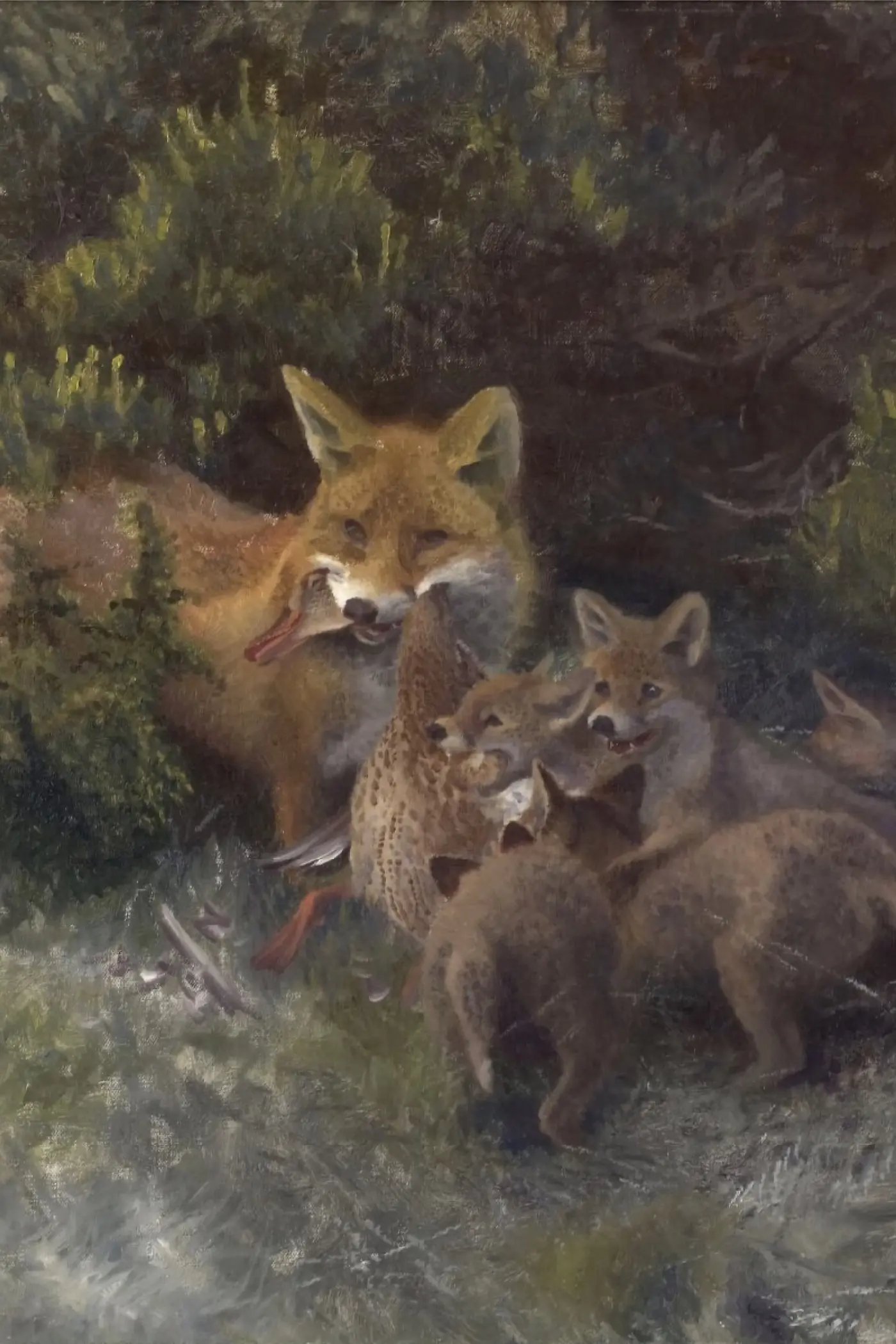
Explore by genre
Other authors you may enjoy
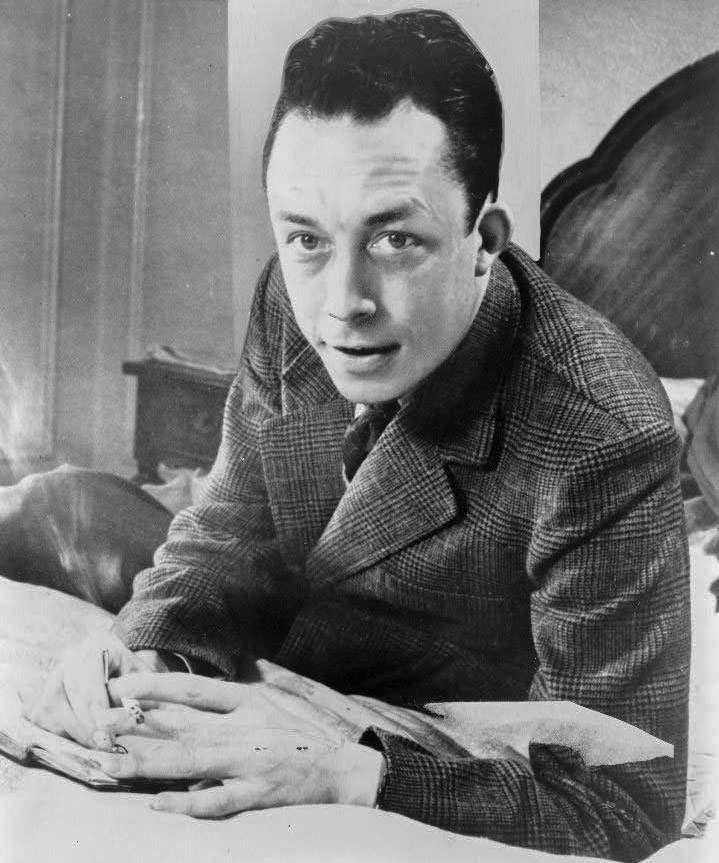
Why David Garnett is still read today
Lady Into Fox is a precursor to magical realism, anticipating Kafka and Borges in its deadpan treatment of the fantastic. Garnett's Bloomsbury connections make him a fascinating figure in early twentieth-century literary history.
Frequently Asked Questions
Who was David Garnett?
David Garnett was a Bloomsbury Group writer whose novella Lady Into Fox anticipated magical realism by decades.
What is Lady Into Fox about?
A Victorian gentleman's wife literally transforms into a fox, and he must cope with the consequences. Read it free on TextStack.
Why is Lady Into Fox important?
Its matter-of-fact treatment of a fantastic premise anticipated Kafka, Borges, and the entire magical realism tradition.
Essential cookies keep you signed in and save your reading progress. Analytics cookies help us understand how the site is used. You can reject analytics — we still work without them. Learn more in our Privacy Policy.