Dorothy Day
Biography
Dorothy Day (1897–1980) was an American journalist, social activist, and Catholic convert who cofounded the Catholic Worker movement in 1933. Before her conversion, Day was a bohemian journalist and novelist in Greenwich Village. Her first novel, The Eleventh Virgin (1924), is a thinly veiled autobiographical account of her pre-conversion life. After embracing Catholicism, Day devoted her life to serving the poor, establishing houses of hospitality and publishing The Catholic Worker newspaper. She combined radical politics with traditional Catholic piety, becoming one of the most influential American Catholics of the twentieth century. Her cause for canonization is being considered by the Vatican.
Common themes in Dorothy Day's work
Catholic Worker Movement
A recurring theme throughout Dorothy Day's writing.
American Activism
A recurring theme throughout Dorothy Day's writing.
Bohemian New York
A recurring theme throughout Dorothy Day's writing.
Religious Conversion
A recurring theme throughout Dorothy Day's writing.
Books

Explore by genre
Other authors you may enjoy
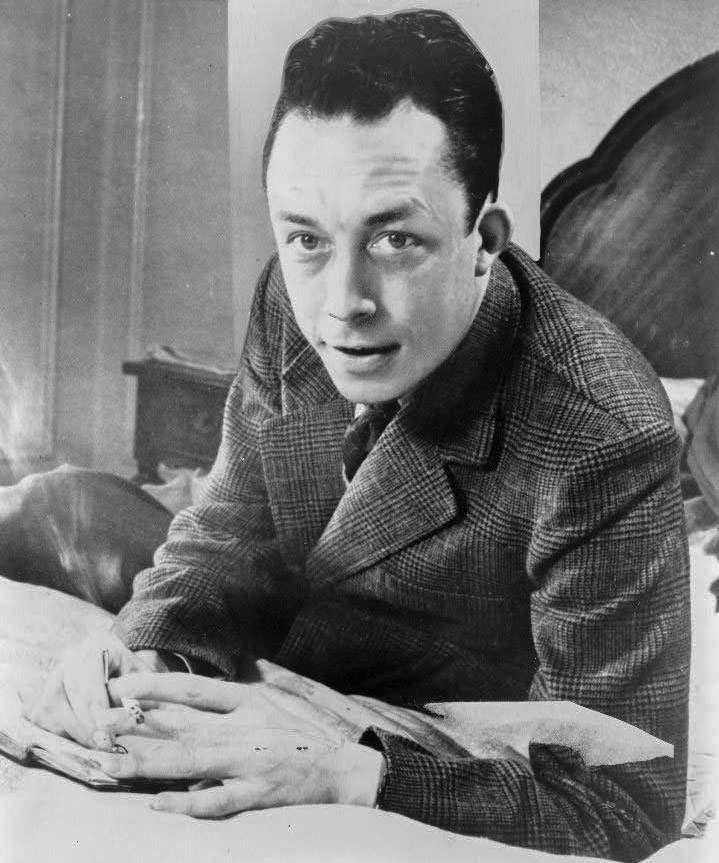
Why Dorothy Day is still read today
Day's early novel provides essential context for understanding one of the most important American social activists of the 20th century. Her journey from bohemian radical to Catholic saint candidate is a remarkable American story.
Frequently Asked Questions
Who was Dorothy Day?
Dorothy Day was an American journalist and activist who cofounded the Catholic Worker movement, combining radical social action with Catholic faith.
What is The Eleventh Virgin about?
Day's autobiographical first novel about her bohemian youth in New York before her conversion to Catholicism. Read it free on TextStack.
Is Dorothy Day a saint?
Her cause for canonization is being considered by the Vatican. She is already considered a Servant of God.
Essential cookies keep you signed in and save your reading progress. Analytics cookies help us understand how the site is used. You can reject analytics — we still work without them. Learn more in our Privacy Policy.