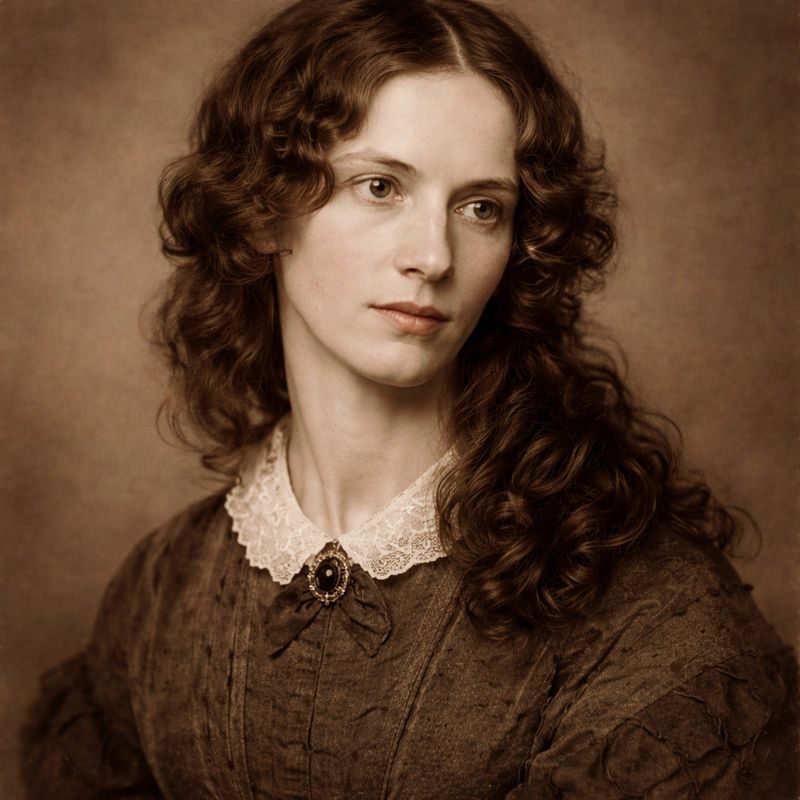
Emily Brontë
Biography
Emily Brontë was an English novelist and poet whose work is distinguished by its emotional intensity, originality, and dark imaginative power. Born in 1818, she lived most of her life in the remote village of Haworth in northern England, an isolated landscape that deeply influenced her writing. Her only novel, Wuthering Heights, defied the conventions of Victorian fiction with its raw depiction of passion, obsession, and revenge. Writing under the pen name “Ellis Bell,” Brontë created a world driven by elemental emotions and moral ambiguity, challenging contemporary ideas of love, gender, and social order. Although her literary career was brief and her life cut short at the age of thirty, Emily Brontë’s work has endured as a cornerstone of English literature. Her novel is now regarded as a masterpiece of Gothic fiction and psychological realism, admired for its bold vision and lasting influence.
Common themes in Emily Brontë's work
Destructive passion and obsessive love
A recurring theme throughout Emily Brontë's writing.
Nature and the Yorkshire moors
A recurring theme throughout Emily Brontë's writing.
Social class and revenge
A recurring theme throughout Emily Brontë's writing.
The supernatural and Gothic elements
A recurring theme throughout Emily Brontë's writing.
Books
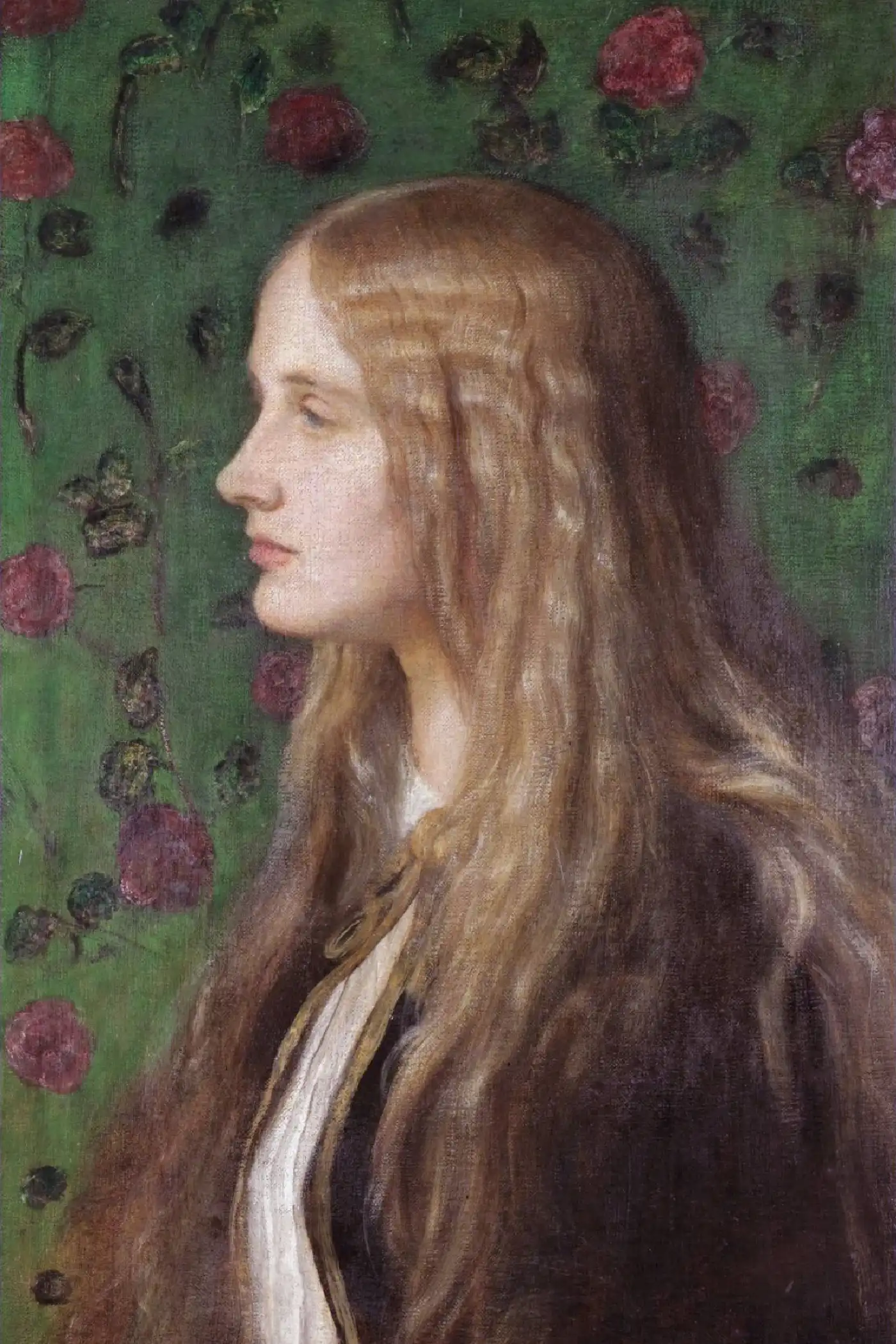
Explore by genre
Other authors you may enjoy
Why Emily Brontë is still read today
Emily Brontë's singular novel Wuthering Heights continues to captivate readers and scholars with its raw emotional power and innovative narrative structure. Her exploration of destructive passion, social isolation, and the supernatural transcends its Victorian origins to speak to universal human experiences. Contemporary Gothic fiction, dark romance, and psychological thrillers owe significant debts to her pioneering work. The novel's influence extends beyond literature into music, film, and popular culture, with countless adaptations and references. Brontë's poetry, though less famous, reveals a philosophical depth and mystical sensibility that anticipates modernist concerns. Her reclusive life on the Yorkshire moors has become part of literary mythology, inspiring pilgrimages to Haworth. The intensity and originality of her vision ensure her place among the most distinctive voices in English literature.
Frequently Asked Questions
What is Emily Brontë famous for?
Emily Brontë is famous for her only novel, Wuthering Heights (1847), a passionate and unconventional tale of love and revenge set on the Yorkshire moors. The novel's intensity and originality shocked Victorian readers but is now considered a masterpiece of English literature.
How is Wuthering Heights different from other Victorian novels?
Unlike typical Victorian novels focused on social manners and moral improvement, Wuthering Heights explores raw, destructive passion without moral judgment. Its complex narrative structure, supernatural elements, and anti-heroic protagonist Heathcliff were revolutionary for its time.
Did Emily Brontë write anything besides Wuthering Heights?
Yes, Emily was also a talented poet. Her poems, including 'No Coward Soul Is Mine' and 'Remembrance,' reveal philosophical depth and mystical sensibility. Her poetry was first published alongside her sisters' work in Poems by Currer, Ellis, and Acton Bell (1846).
Why did Emily Brontë use a pseudonym?
Emily published under the name Ellis Bell to avoid gender prejudice that female authors faced. She and her sisters chose ambiguously gendered pen names (Currer, Ellis, and Acton Bell) that preserved their initials while obscuring their identities.
What inspired Emily Brontë's writing?
The wild Yorkshire moors surrounding her home in Haworth deeply influenced her work. Her isolated upbringing, extensive reading, and the imaginative world of Gondal she created with her sister Anne also shaped her unique literary vision.
Essential cookies keep you signed in and save your reading progress. Analytics cookies help us understand how the site is used. You can reject analytics — we still work without them. Learn more in our Privacy Policy.