Eugene O’Neill
Biography
Eugene Gladstone O'Neill (1888–1953) was an American playwright and Nobel Prize laureate who is widely considered the father of American drama. He won the Nobel Prize in Literature in 1936 and four Pulitzer Prizes for Drama. O'Neill's plays broke radically with the melodramatic conventions of earlier American theater, introducing psychological realism, expressionism, and tragic vision to the American stage. His major works include Long Day's Journey into Night, The Iceman Cometh, Mourning Becomes Electra, and The Hairy Ape. O'Neill's plays explore alienation, addiction, family dysfunction, and the search for meaning with unflinching honesty.
Common themes in Eugene O’Neill's work
American Drama
A recurring theme throughout Eugene O’Neill's writing.
Nobel Prize Literature
A recurring theme throughout Eugene O’Neill's writing.
Expressionist Theater
A recurring theme throughout Eugene O’Neill's writing.
Family Dysfunction
A recurring theme throughout Eugene O’Neill's writing.
Books
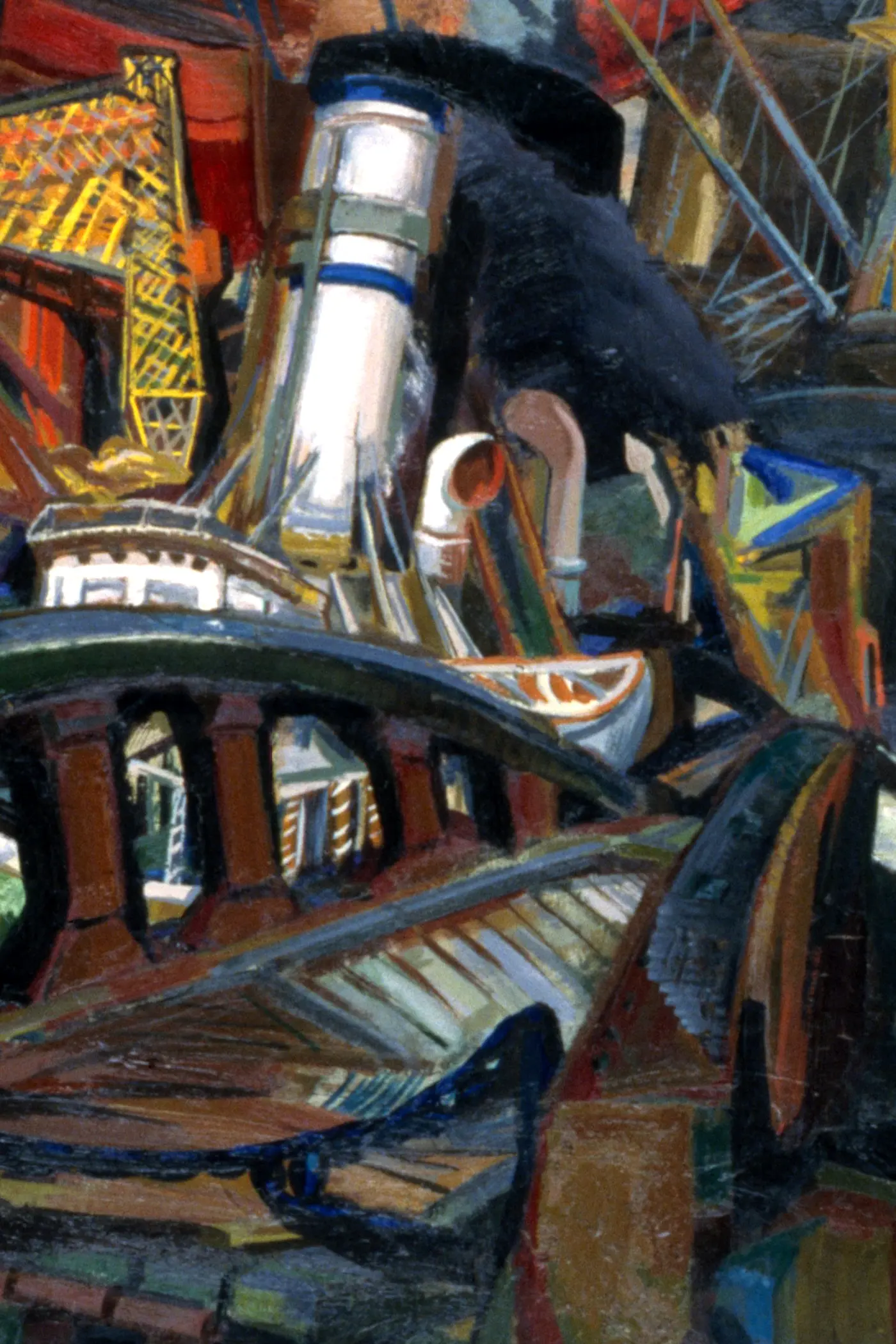
Explore by genre
Other authors you may enjoy
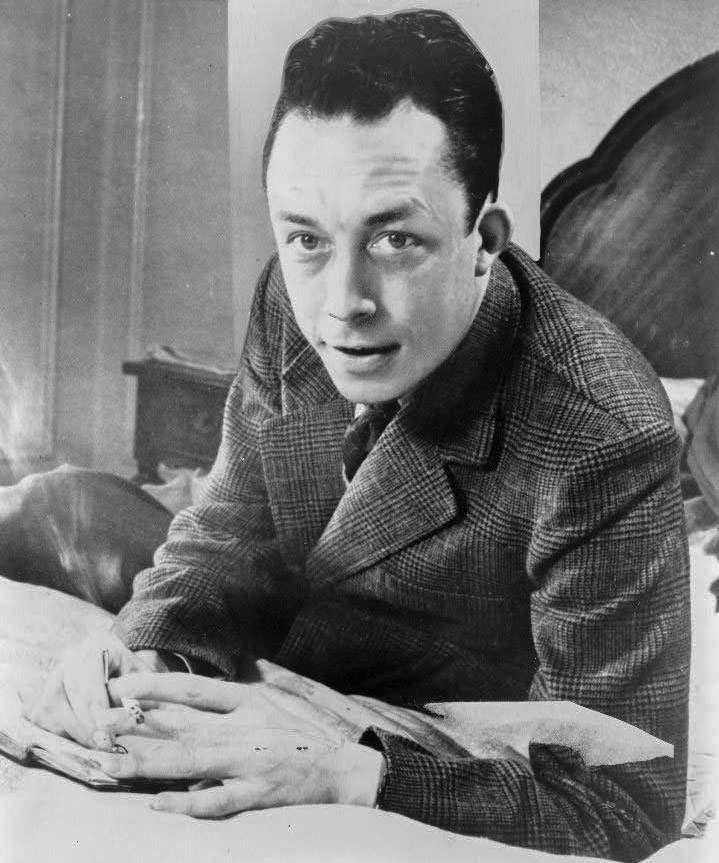
Why Eugene O’Neill is still read today
O'Neill transformed American theater from entertainment into serious art. His plays remain the foundation of the American dramatic canon and continue to be performed worldwide.
Frequently Asked Questions
Who was Eugene O'Neill?
O'Neill was an American playwright, Nobel laureate, and the father of American drama, known for psychologically searing plays.
What is The Hairy Ape about?
A brutish ship stoker confronts his place in a mechanized, class-divided society in this expressionist drama. Read it free on TextStack.
How many Pulitzer Prizes did O'Neill win?
Four—more than any other playwright—plus the Nobel Prize in Literature in 1936.
Essential cookies keep you signed in and save your reading progress. Analytics cookies help us understand how the site is used. You can reject analytics — we still work without them. Learn more in our Privacy Policy.