Francisco de Quevedo
Biography
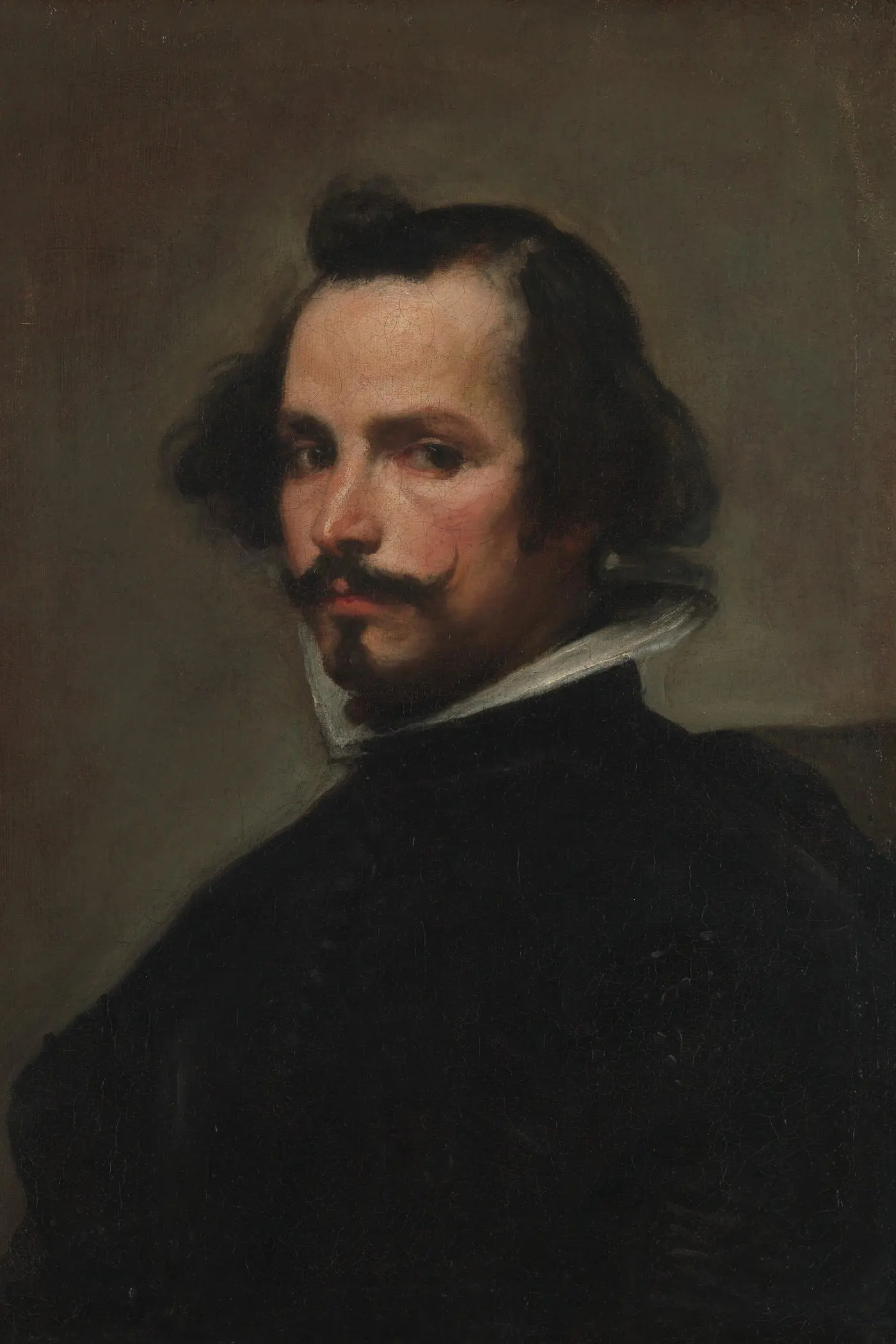
Francisco de Quevedo y Villegas (1580–1645) was a Spanish nobleman, politician, and one of the greatest writers of the Spanish Golden Age. He was a master of conceptismo, a baroque literary style characterized by elaborate wordplay, wit, and intellectual complexity. Quevedo wrote prolifically across poetry, fiction, political treatises, and moral philosophy. His picaresque novel La vida del Buscón (The Swindler, 1626) is one of the masterpieces of Spanish literature, a savage and brilliantly funny account of a rogue's adventures through Spanish society. Quevedo's satirical genius and virtuosic command of language place him alongside Cervantes and Lope de Vega.
Common themes in Francisco de Quevedo's work
Spanish Golden Age
A recurring theme throughout Francisco de Quevedo's writing.
Picaresque Novel
A recurring theme throughout Francisco de Quevedo's writing.
Conceptismo
A recurring theme throughout Francisco de Quevedo's writing.
Baroque Literature
A recurring theme throughout Francisco de Quevedo's writing.
Books
Explore by genre
Other authors you may enjoy
Why Francisco de Quevedo is still read today
Quevedo is one of the supreme literary stylists of the Spanish language and a master of satirical fiction. His picaresque novel remains one of the finest examples of the genre.
Frequently Asked Questions
Who was Francisco de Quevedo?
Quevedo was one of the greatest writers of the Spanish Golden Age, a master of satirical poetry and picaresque fiction.
What is Pablo de Segovia about?
A rogue's savage and comic adventures through Spanish society—one of the great picaresque novels. Read it free on TextStack.
How does Quevedo compare to Cervantes?
Both are giants of Spanish literature. Quevedo is sharper and more satirical, while Cervantes is warmer and more expansive.
Essential cookies keep you signed in and save your reading progress. Analytics cookies help us understand how the site is used. You can reject analytics — we still work without them. Learn more in our Privacy Policy.