George Schuyler
Biography
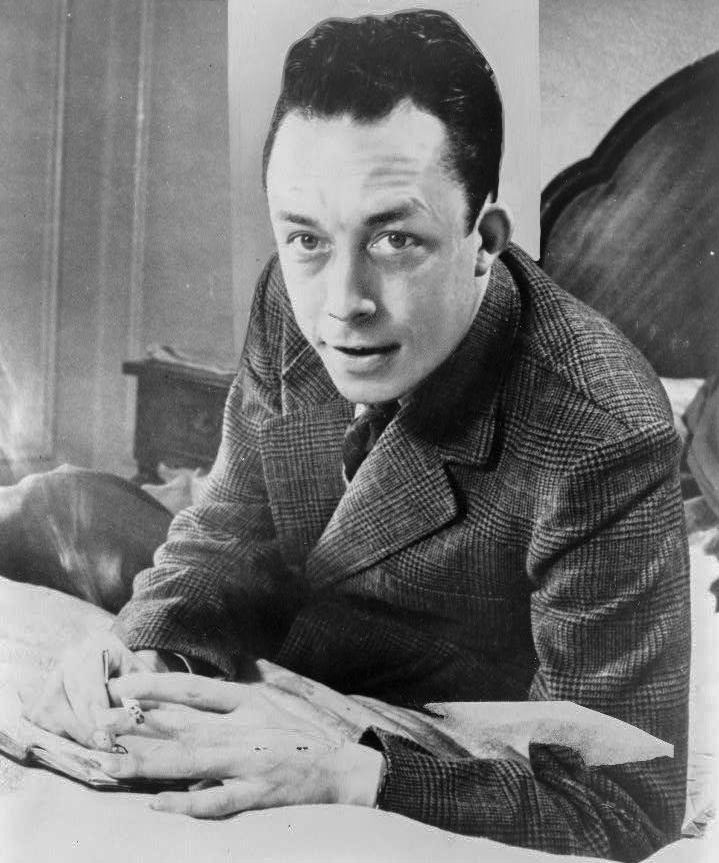
George Samuel Schuyler (February 25, 1895 – August 31, 1977) was an American journalist, novelist, and social critic whose career spanned more than five decades. Born in Providence, Rhode Island, and raised in Syracuse, New York, Schuyler served in the United States Army before embarking on a writing career that would make him one of the most provocative voices in twentieth-century American letters. Schuyler joined the Pittsburgh Courier in 1924, eventually becoming its assistant editor and a nationally syndicated columnist. His column reached hundreds of thousands of Black readers across the United States and established him as a leading commentator on race, politics, and society. He also contributed to publications including The American Mercury, The Nation, and later conservative outlets such as the John Birch Society's American Opinion. His most enduring literary work, Black No More (1931), is a satirical novel imagining a machine that transforms Black Americans into white people, exposing the absurdities of American racial classification and the economic interests that sustain racial division. Published the same year, Slaves Today: A Story of Liberia drew on his reporting from West Africa to critique forced labor conditions in Liberia. Both novels demonstrate his willingness to challenge received opinion from any political direction. Schuyler also produced a large body of pulp science fiction and adventure stories under the pseudonym Samuel I. Brooks, serialized in African American newspapers during the 1930s. These works featured Black protagonists in heroic roles at a time when such representation was rare in popular fiction. Over the course of his career, Schuyler moved from socialist and anti-imperialist positions toward an increasingly conservative anticommunism, a trajectory that alienated many former allies and complicated his legacy. His autobiography, Black and Conservative, appeared in 1966. He died in New York City in 1977.
Common themes in George Schuyler's work
racial identity and passing
A recurring theme throughout George Schuyler's writing.
political satire
A recurring theme throughout George Schuyler's writing.
African American conservatism
A recurring theme throughout George Schuyler's writing.
science fiction and Afrofuturism
A recurring theme throughout George Schuyler's writing.
Books

Explore by genre
Other authors you may enjoy
Why George Schuyler is still read today
George Schuyler's work has attracted renewed scholarly and popular attention for its early engagement with questions that remain central to contemporary culture. Black No More anticipates debates about racial identity, passing, and the social construction of race that continue to generate substantial academic and public discussion. Its satirical method — skewering both white supremacists and Black civil rights leaders with equal irreverence — is frequently cited as a precursor to later traditions of African American satire. Schuyler's pulp fiction, long out of print, has been partially recovered through anthologies and scholarly editions, with critics recognizing it as an early instance of Afrofuturism. His journalism offers primary source material on the Harlem Renaissance, the Black press, and the ideological debates within African American intellectual life during the mid-twentieth century. His political evolution from radical to conservative remains a subject of biographical and historical study, particularly in scholarship examining anticommunism and African American conservatism.
Frequently Asked Questions
Who was George Schuyler?
George Schuyler (1895–1977) was an American journalist, novelist, and social critic. He worked for decades at the Pittsburgh Courier and is best known for his satirical novel Black No More (1931), which imagines a technology that converts Black Americans into white people. Over his career he moved from socialist politics toward conservative anticommunism.
What are the most famous works by George Schuyler?
Schuyler's best-known work is the satirical novel Black No More (1931). He also wrote Slaves Today: A Story of Liberia (1931), based on his reportage from West Africa, and produced a large volume of pulp fiction under the pseudonym Samuel I. Brooks. His autobiography, Black and Conservative, was published in 1966.
Why is George Schuyler still relevant today?
Schuyler's satire of racial classification in Black No More engages themes — the social construction of race, identity politics, and the economics of racial hierarchy — that remain active in contemporary scholarship and public debate. His pulp science fiction is also recognized as an early contribution to what is now called Afrofuturism, and his journalism provides valuable documentation of African American intellectual life in the mid-twentieth century.
Where can I read books by George Schuyler online?
Books by George Schuyler are available to read free online at TextStack, a digital library offering access to classic and public domain literature.
Essential cookies keep you signed in and save your reading progress. Analytics cookies help us understand how the site is used. You can reject analytics — we still work without them. Learn more in our Privacy Policy.