George William Russell
Biography
George William Russell (1867–1935), known by his pen name Æ (AE), was an Irish writer, poet, painter, and visionary central to the Irish Literary Revival. Born in Lurgan, County Armagh, Russell moved to Dublin as a child and studied at the Metropolitan School of Art, where he befriended W.B. Yeats. Deeply influenced by Theosophy and Hindu philosophy, Russell developed a mystical worldview that infused his poetry, painting, and social thought. His poetry collections, including Homeward: Songs by the Way and The Earth Breath, explore spiritual vision and humanity’s connection to nature. Beyond literature, Russell championed the Irish cooperative movement as editor of The Irish Homestead and The Irish Statesman. His prose addressed Irish economics, politics, and cultural identity with equal passion. The National Being represents his vision for an ideal Irish society based on cooperative principles and spiritual development. Russell mentored younger writers including James Stephens and Patrick Kavanagh, and his Dublin home was a gathering place for the intellectual life of the nation.
Common themes in George William Russell's work
Irish Literary Revival
A recurring theme throughout George William Russell's writing.
Theosophy and mysticism
A recurring theme throughout George William Russell's writing.
Cooperative movement
A recurring theme throughout George William Russell's writing.
Irish cultural identity
A recurring theme throughout George William Russell's writing.
Books
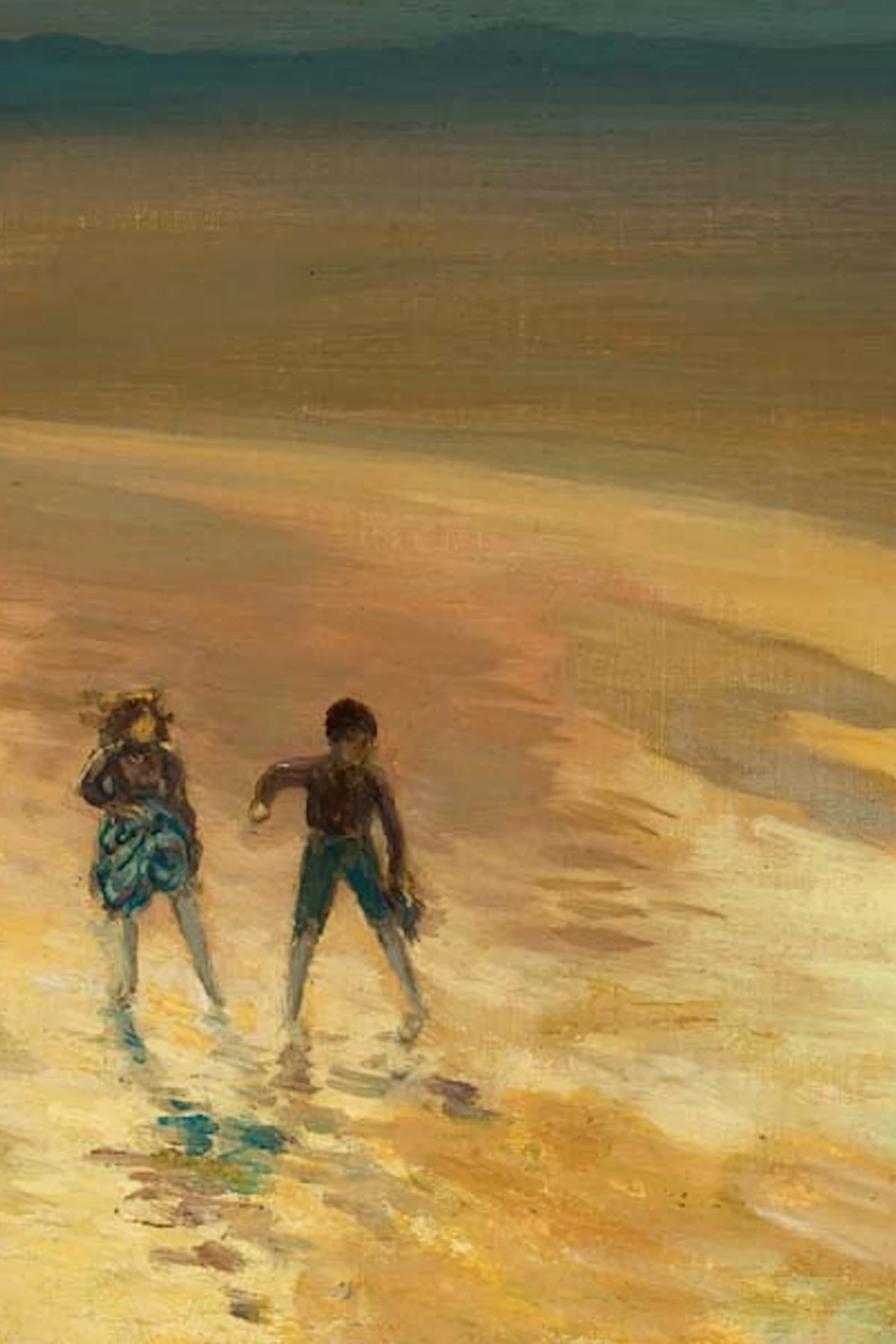
Explore by genre
Other authors you may enjoy
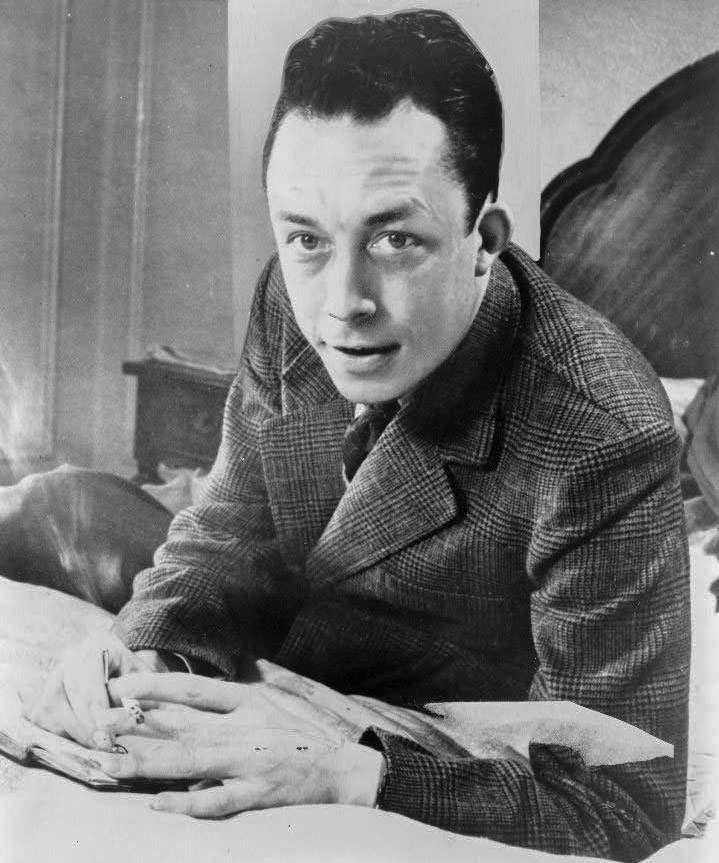
Why George William Russell is still read today
George William Russell’s vision of a society grounded in cooperation, spiritual awareness, and cultural identity resonates in an era of renewed interest in community economics and sustainable development. His synthesis of mysticism and practical social reform offers a unique perspective on Irish identity and the relationship between cultural heritage and political self-determination.
Frequently Asked Questions
Who was George William Russell (AE)?
George William Russell (1867–1935), pen name Æ, was an Irish poet, painter, and social thinker central to the Irish Literary Revival, combining mystical spirituality with advocacy for the cooperative movement.
What does the pen name AE mean?
It originated as a printer’s abbreviation of ‘Aeon,’ a mystical concept Russell adopted as his pseudonym.
Where can I read Russell’s works online?
You can read The National Being for free on TextStack with a clean reading interface and offline access.
Essential cookies keep you signed in and save your reading progress. Analytics cookies help us understand how the site is used. You can reject analytics — we still work without them. Learn more in our Privacy Policy.