Gertrude Stein
Biography
Gertrude Stein (1874–1946) was an American writer, poet, and art collector whose experimental prose made her one of the most influential figures of literary modernism. Born in Allegheny, Pennsylvania, Stein studied psychology under William James at Radcliffe College before moving to Paris in 1903, where she lived for the rest of her life. Her Parisian salon at 27 rue de Fleurus became a legendary gathering place for avant-garde artists and writers, including Picasso, Matisse, Hemingway, and Fitzgerald. Stein’s writing radically challenged conventional narrative, grammar, and syntax—her repetitive, rhythmic prose sought to capture the continuous present of consciousness. Her works range from the accessible stories of Three Lives to the radically abstract Tender Buttons. Stein coined the phrase “lost generation” to describe post-World War I expatriates and mentored many young writers who would define twentieth-century literature. Her influence extends beyond literature into visual art, philosophy of language, and feminist thought.
Common themes in Gertrude Stein's work
Literary modernism
A recurring theme throughout Gertrude Stein's writing.
Experimental prose
A recurring theme throughout Gertrude Stein's writing.
Parisian avant-garde
A recurring theme throughout Gertrude Stein's writing.
Consciousness and language
A recurring theme throughout Gertrude Stein's writing.
Books
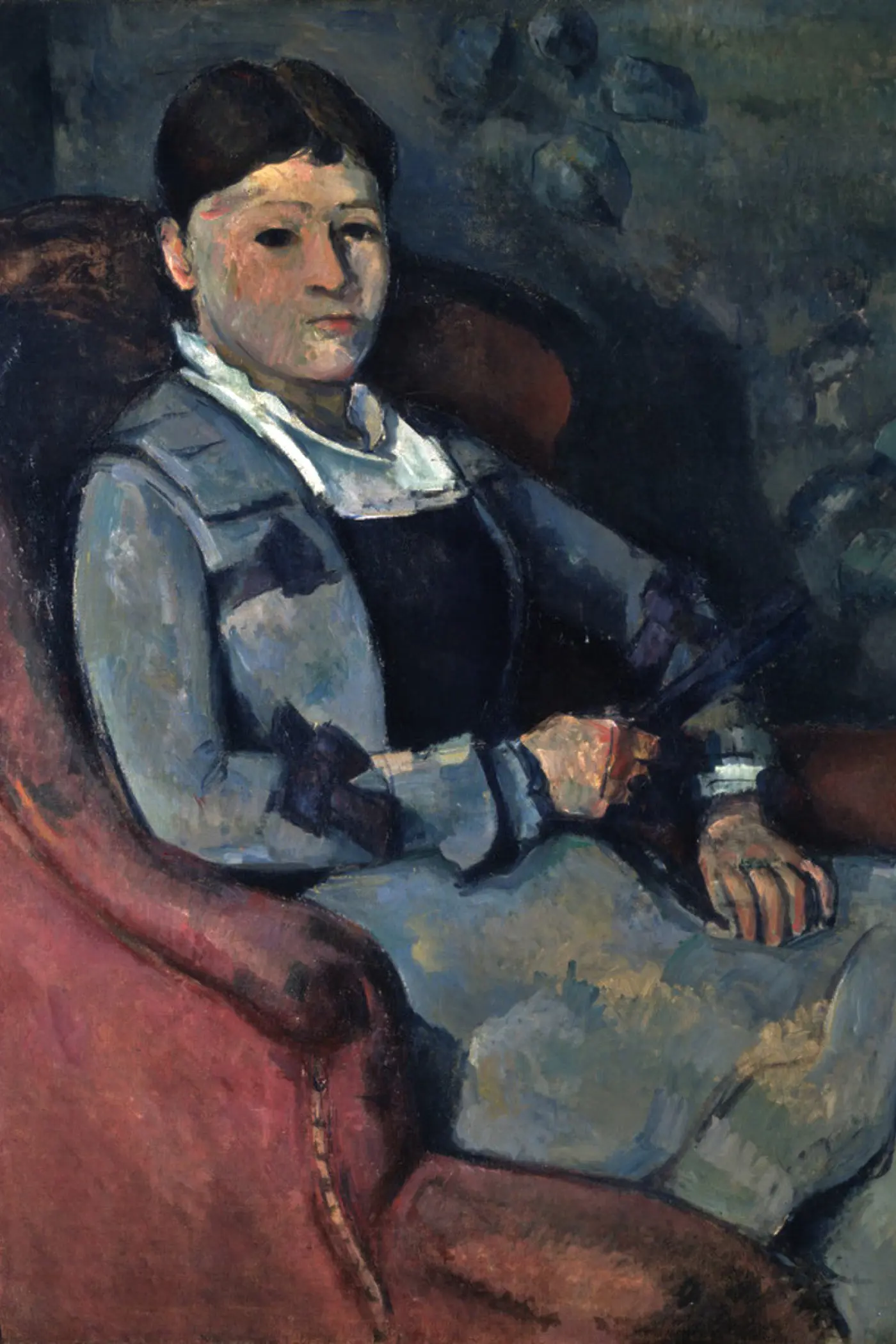
Explore by genre
Other authors you may enjoy
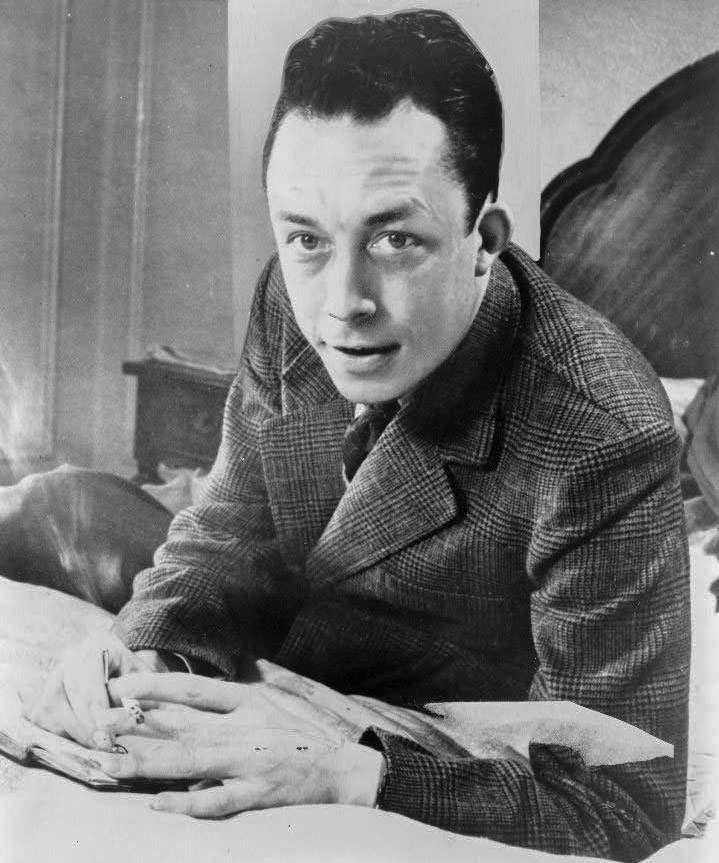
Why Gertrude Stein is still read today
Gertrude Stein’s radical experiments with language and narrative continue to influence contemporary literature, poetry, and conceptual art. Her exploration of consciousness, repetition, and the relationship between words and meaning anticipated developments in linguistics and postmodern theory. As a pioneering woman in the arts and an openly queer figure in early twentieth-century culture, Stein’s life and work remain deeply relevant to conversations about gender, identity, and creative freedom.
Frequently Asked Questions
Who was Gertrude Stein?
Gertrude Stein (1874–1946) was an American modernist writer and art collector in Paris who pioneered experimental prose and hosted a legendary literary salon influencing twentieth-century literature.
What is Stein known for?
Her radically experimental writing using repetition and present-tense consciousness, her role as patron of modern art, and coining the phrase ‘lost generation.’
Where can I read Gertrude Stein online?
You can read Three Lives for free on TextStack with a clean, distraction-free reading interface.
Essential cookies keep you signed in and save your reading progress. Analytics cookies help us understand how the site is used. You can reject analytics — we still work without them. Learn more in our Privacy Policy.