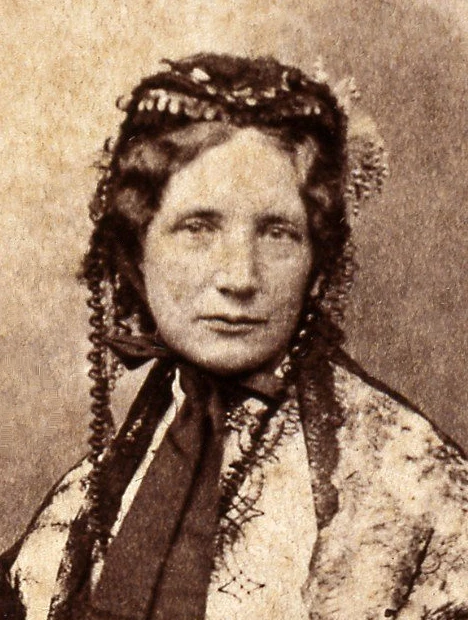
Harriet Beecher Stowe
Biography
Harriet Beecher Stowe (1811-1896) was an American author and abolitionist whose novel Uncle Tom's Cabin (1852) galvanized antislavery sentiment and helped precipitate the Civil War. Born in Litchfield, Connecticut, into a prominent religious family—her father Lyman Beecher was a famous minister and her brother Henry Ward Beecher a celebrated preacher—she grew up steeped in moral reform movements. Uncle Tom's Cabin, originally serialized in an abolitionist newspaper, became an international phenomenon, selling more copies than any book except the Bible in the 19th century. Its vivid portrayal of slavery's brutality converted countless readers to the antislavery cause. Lincoln allegedly greeted Stowe as "the little woman who wrote the book that started this great war." Stowe wrote over 30 books including novels, travel memoirs, and children's books. Her influence on American literature and history is profound, demonstrating the power of fiction to shape public opinion and drive social change.
Common themes in Harriet Beecher Stowe's work
Slavery and its moral evil
A recurring theme throughout Harriet Beecher Stowe's writing.
Christian duty and conscience
A recurring theme throughout Harriet Beecher Stowe's writing.
Family separation and its horrors
A recurring theme throughout Harriet Beecher Stowe's writing.
Sentimental appeal and moral persuasion
A recurring theme throughout Harriet Beecher Stowe's writing.
Books
Explore by genre
Other authors you may enjoy
Why Harriet Beecher Stowe is still read today
Harriet Beecher Stowe wrote what may be the most politically influential novel in American history. Uncle Tom's Cabin galvanized antislavery sentiment in the North and contributed to the tensions that led to the Civil War—Abraham Lincoln reportedly greeted her as "the little woman who wrote the book that made this great war." Beyond its historical impact, the novel pioneered the use of fiction for social advocacy, influencing how literature engages with political causes. While contemporary readers engage critically with the novel's racial stereotypes and sentimentality, its historical significance remains undeniable. Stowe's work raises enduring questions about representation, the power of narrative, and how literature can change society. Her example continues to inform discussions about art's relationship to social justice.
Frequently Asked Questions
Why was Uncle Tom's Cabin so influential?
Published in 1852, Uncle Tom's Cabin was the best-selling novel of the 19th century. It humanized enslaved people for Northern readers, galvanized antislavery sentiment, and is credited with increasing support for abolition. Its impact on American politics was profound.
What does 'Uncle Tom' mean today and why?
The term 'Uncle Tom' became a pejorative for Black people seen as subservient to whites. This interpretation distorts Stowe's character, who resists through Christian faith and dies refusing to betray fellow slaves. The phrase reflects complex reception history rather than the novel itself.
Is Uncle Tom's Cabin problematic today?
Modern readers note the novel's racial stereotypes, sentimentality, and white perspective on slavery. While historically important, it reflects 19th-century attitudes. Contemporary scholars read it critically, acknowledging both its abolitionist impact and its limitations in portraying Black characters.
What inspired Harriet Beecher Stowe to write Uncle Tom's Cabin?
Stowe was moved by the Fugitive Slave Act (1850), which required Northerners to return escaped slaves. Her Christian faith, family antislavery activism (her father was a minister), and conversations with formerly enslaved people all contributed to her writing the novel.
Did Stowe write other books?
Yes, Stowe was a prolific author of over 30 books, including Dred: A Tale of the Great Dismal Swamp (another antislavery novel), and numerous works of domestic fiction. However, none approached the impact of Uncle Tom's Cabin.
Essential cookies keep you signed in and save your reading progress. Analytics cookies help us understand how the site is used. You can reject analytics — we still work without them. Learn more in our Privacy Policy.