Henryk Sienkiewicz
Biography
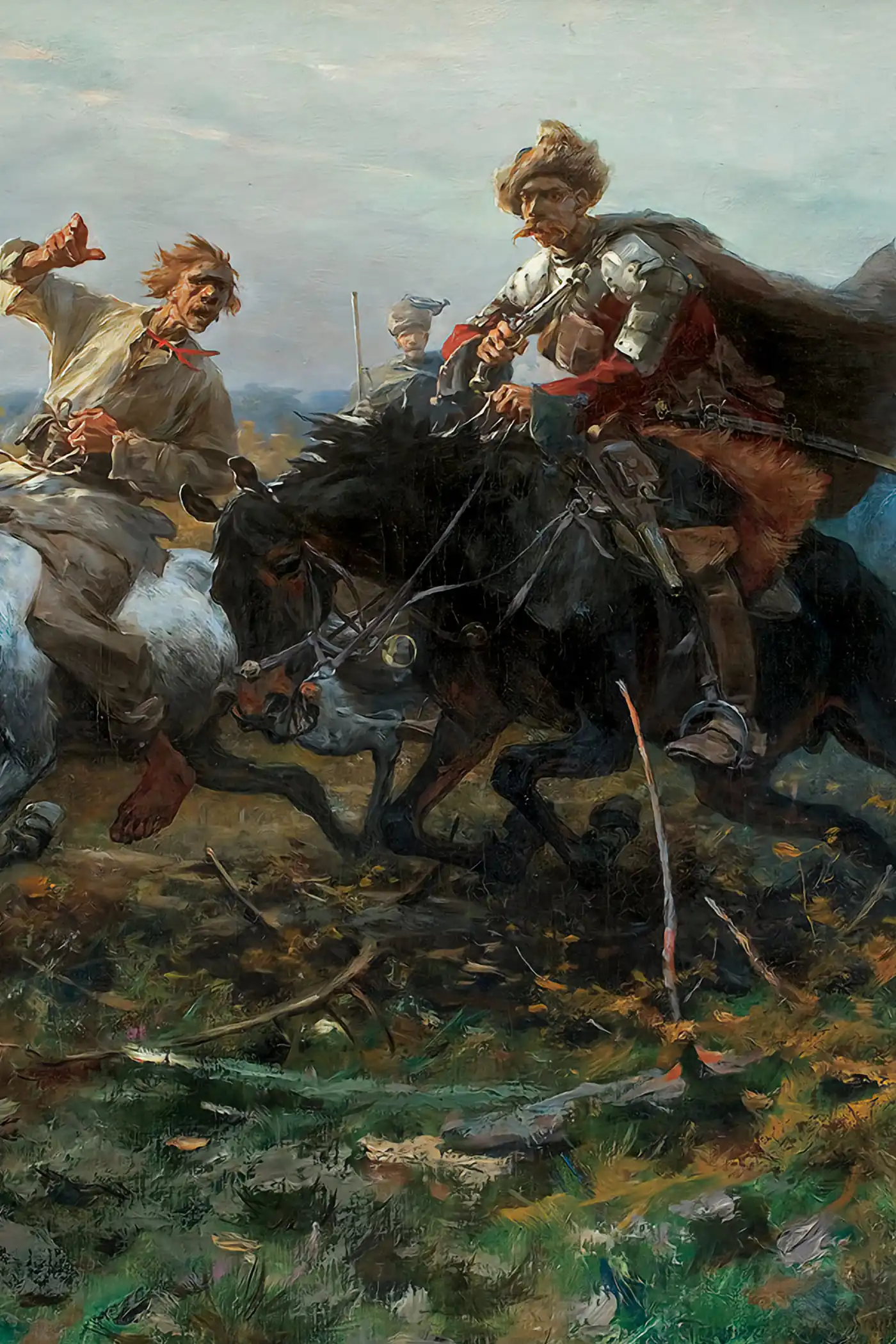
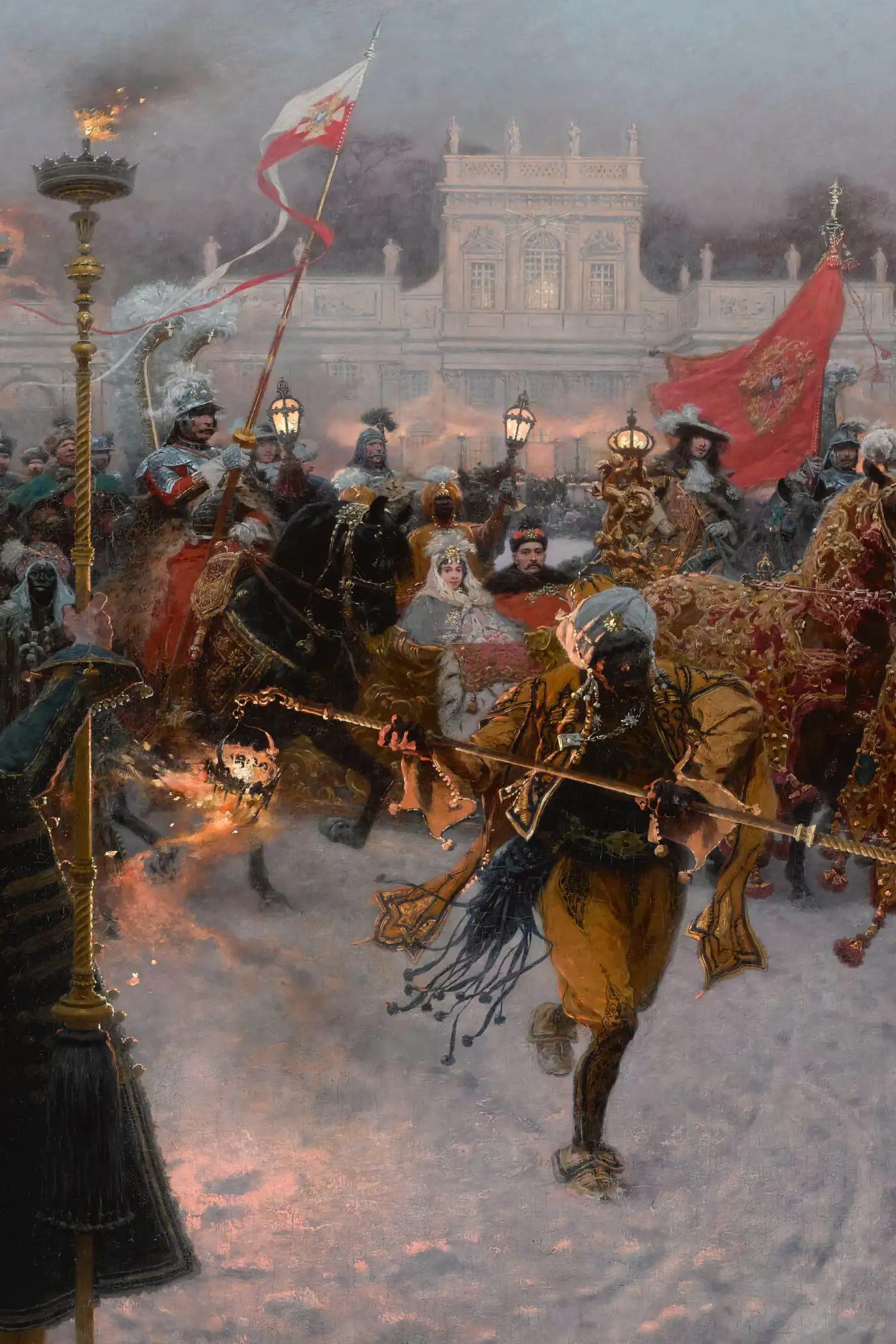
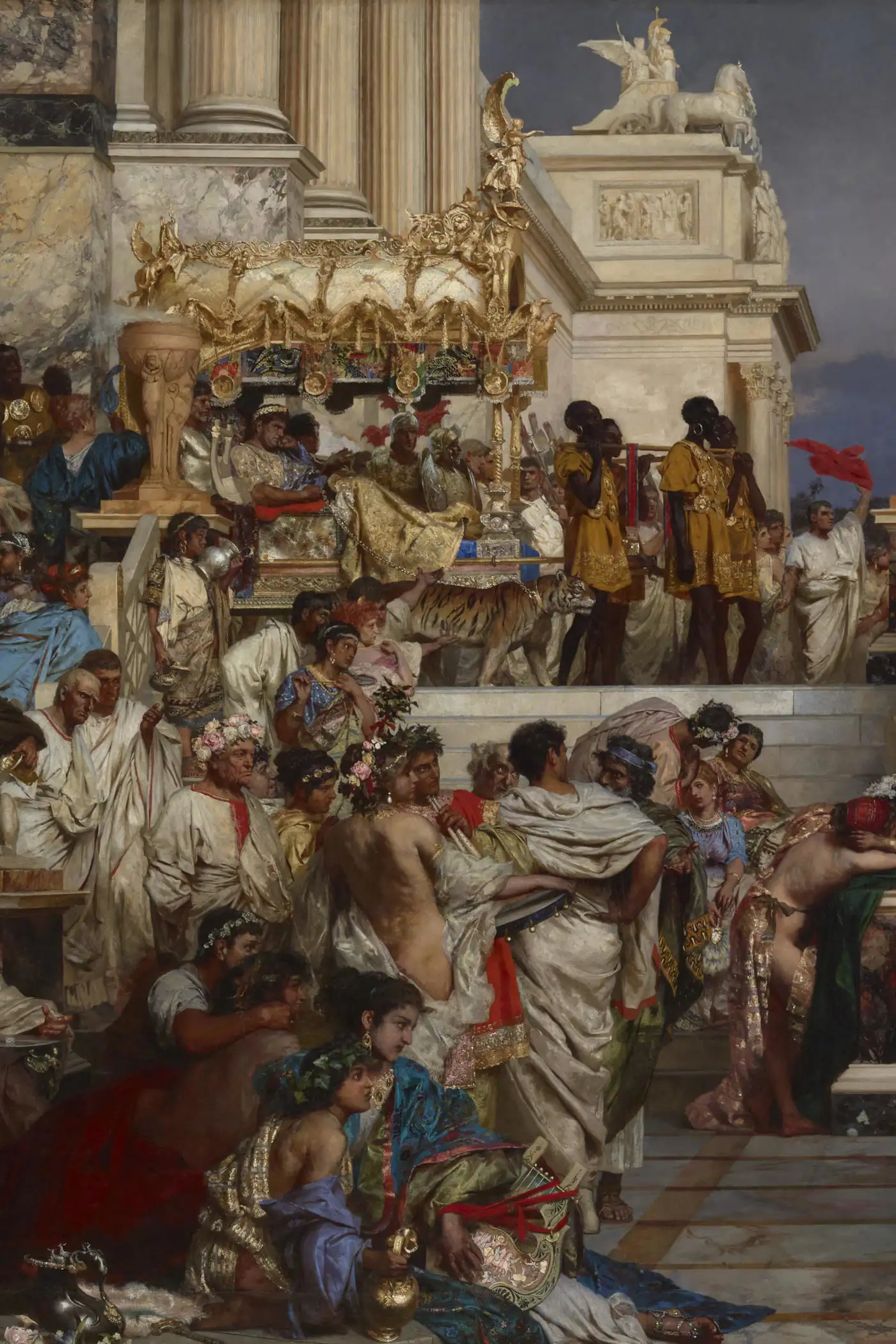
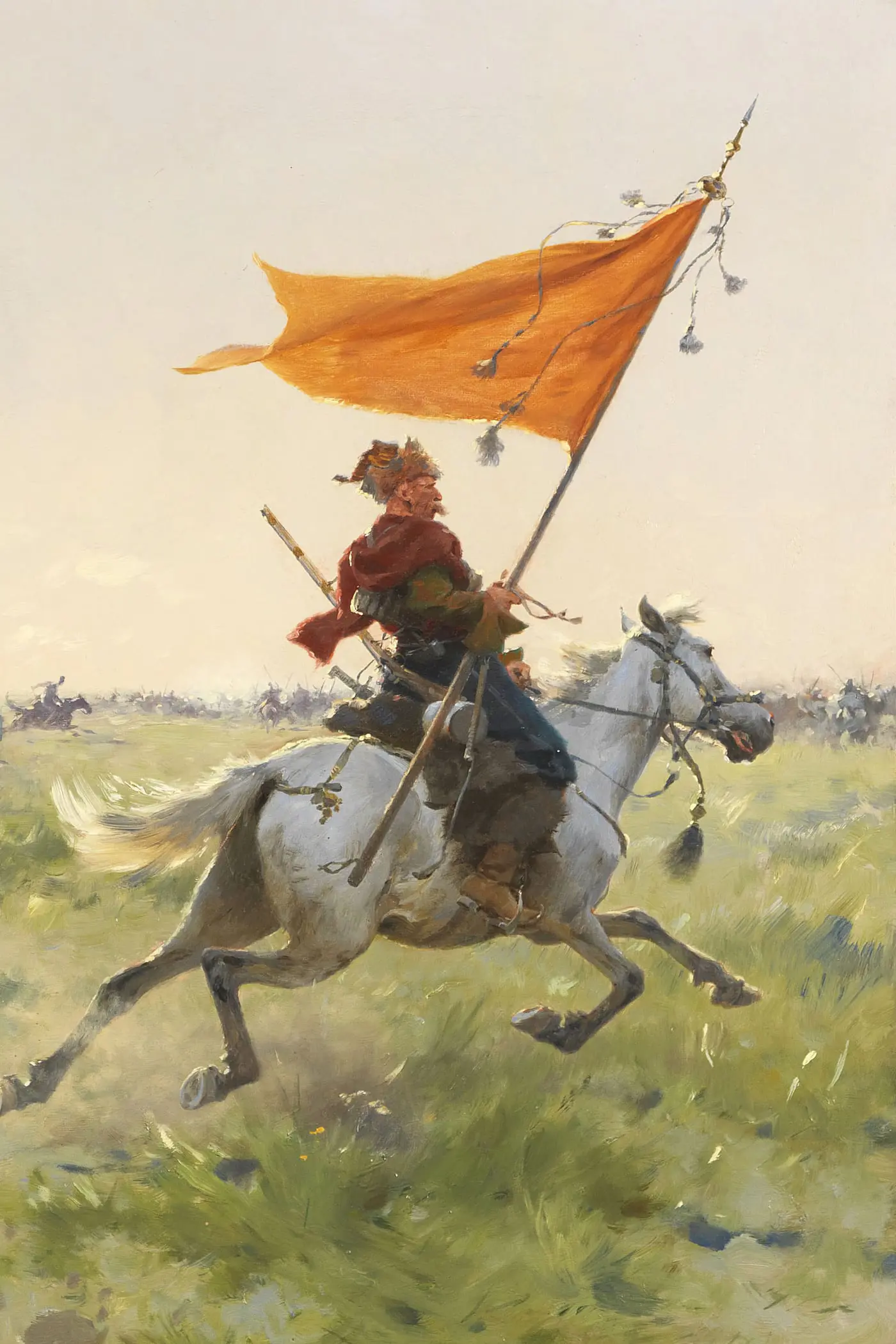
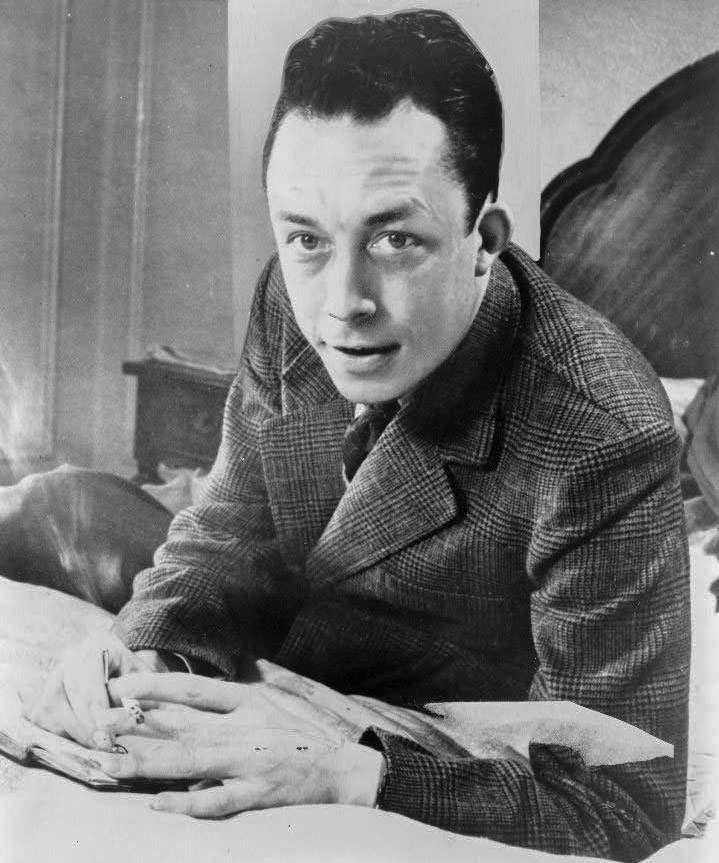
Henryk Sienkiewicz (1846–1916) was a Polish novelist and Nobel Prize laureate, celebrated for his vivid historical epics. Born in Wola Okrzejska in the Russian partition of Poland, he studied at the University of Warsaw and began his career as a journalist and travel writer. His Trilogy—With Fire and Sword, The Deluge, and Pan Michael—portraying seventeenth-century Poland’s wars became enormously popular and helped sustain Polish national identity during the years of partition. His novel Quo Vadis (1896), set in Nero’s Rome, brought him worldwide fame and the 1905 Nobel Prize in Literature. Sienkiewicz’s storytelling combines sweeping battle scenes, romantic adventure, and deeply researched historical detail with a narrative energy that keeps readers turning pages more than a century later. He remains one of the most widely read Polish authors in the world.
Common themes in Henryk Sienkiewicz's work
Historical fiction
A recurring theme throughout Henryk Sienkiewicz's writing.
Polish national identity
A recurring theme throughout Henryk Sienkiewicz's writing.
Epic adventure
A recurring theme throughout Henryk Sienkiewicz's writing.
Christian faith
A recurring theme throughout Henryk Sienkiewicz's writing.
Books
Explore by genre
Other authors you may enjoy
Why Henryk Sienkiewicz is still read today
Sienkiewicz’s historical novels continue to captivate readers who love epic adventure and richly detailed historical settings. Quo Vadis has been adapted into major films and remains a touchstone of Christian historical fiction. His Trilogy is essential reading for understanding Polish culture and national identity. On TextStack you can read Sienkiewicz’s masterworks free online.
Frequently Asked Questions
Who was Henryk Sienkiewicz?
Henryk Sienkiewicz (1846–1916) was a Polish novelist who won the 1905 Nobel Prize in Literature. He is best known for Quo Vadis and his historical Trilogy set in seventeenth-century Poland.
What is Sienkiewicz’s Trilogy?
The Trilogy consists of With Fire and Sword, The Deluge, and Pan Michael, three epic novels depicting Poland’s seventeenth-century wars against Cossacks, Swedes, and Ottomans.
Where can I read Sienkiewicz online?
You can read Sienkiewicz’s major novels including Quo Vadis and the complete Trilogy free online on TextStack.
Why did Sienkiewicz win the Nobel Prize?
He won the 1905 Nobel Prize in Literature for his outstanding merits as an epic writer, particularly for Quo Vadis, which brought him international acclaim.
Essential cookies keep you signed in and save your reading progress. Analytics cookies help us understand how the site is used. You can reject analytics — we still work without them. Learn more in our Privacy Policy.