Herminie Templeton Kavanagh
Biography
Herminie Templeton Kavanagh (1861–1933) was an Irish-American writer best known for her Darby O’Gill stories, which blend Irish folklore with warm humor and vivid storytelling. Born in County Tipperary, Ireland, Kavanagh emigrated to the United States and became a successful writer of fiction drawing on the Irish oral tradition. Her stories about Darby O’Gill, a resourceful Irish farmer who matches wits with the Good People (fairies) of Doolin, were published in McClure’s Magazine and collected in Darby O’Gill and the Good People (1903). Kavanagh’s tales are notable for their authentic rendering of Irish dialect, folklore, and rural life, combined with a lightness of touch that makes the supernatural elements feel natural and unforced. Her work preserved aspects of Irish oral tradition for a wider audience and later inspired Walt Disney’s 1959 film Darby O’Gill and the Little People. Kavanagh represents an important link between Irish folk storytelling and American popular literature.
Common themes in Herminie Templeton Kavanagh's work
Irish folklore
A recurring theme throughout Herminie Templeton Kavanagh's writing.
Fairy tales
A recurring theme throughout Herminie Templeton Kavanagh's writing.
Irish-American literature
A recurring theme throughout Herminie Templeton Kavanagh's writing.
Folk humor
A recurring theme throughout Herminie Templeton Kavanagh's writing.
Books
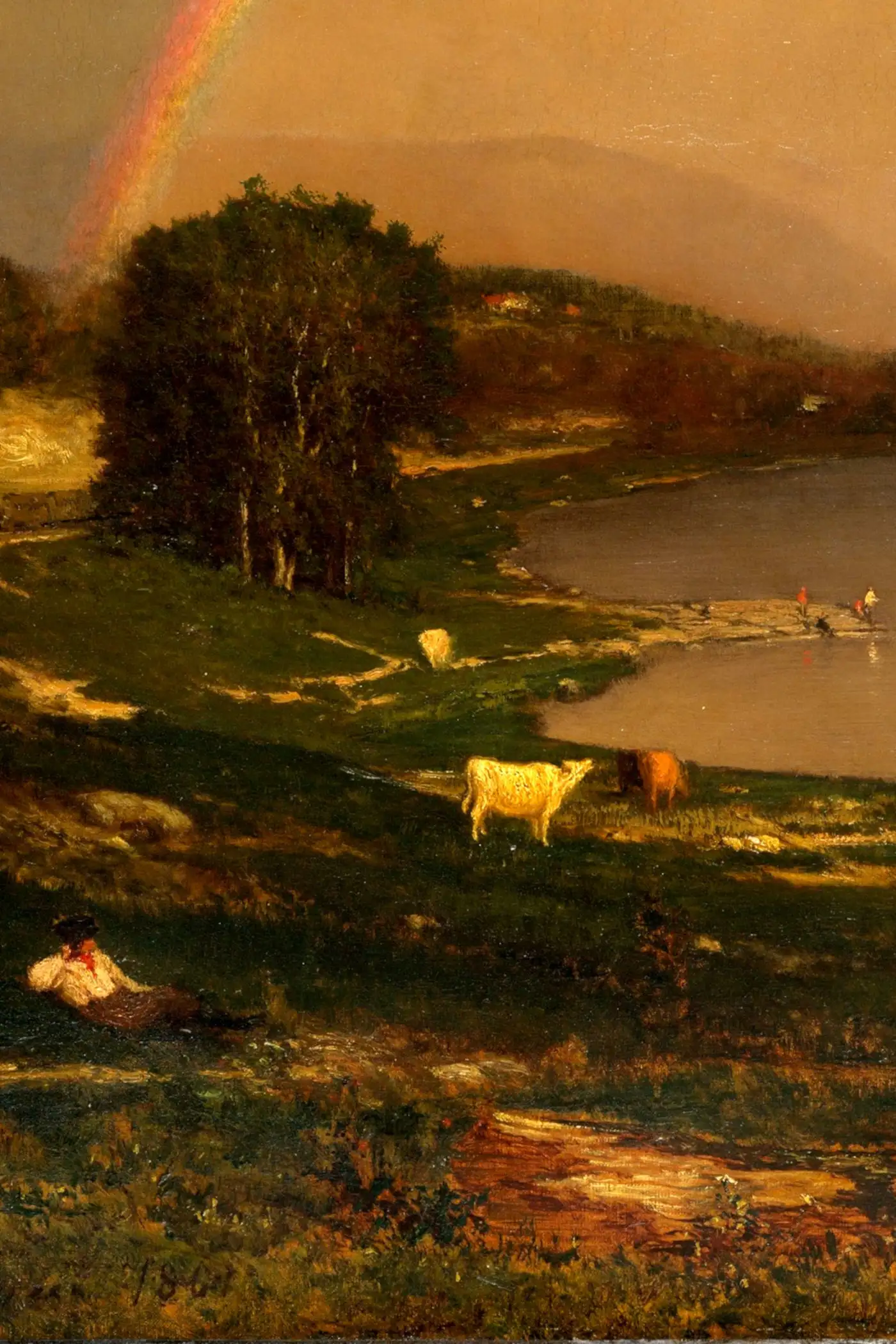
Explore by genre
Other authors you may enjoy
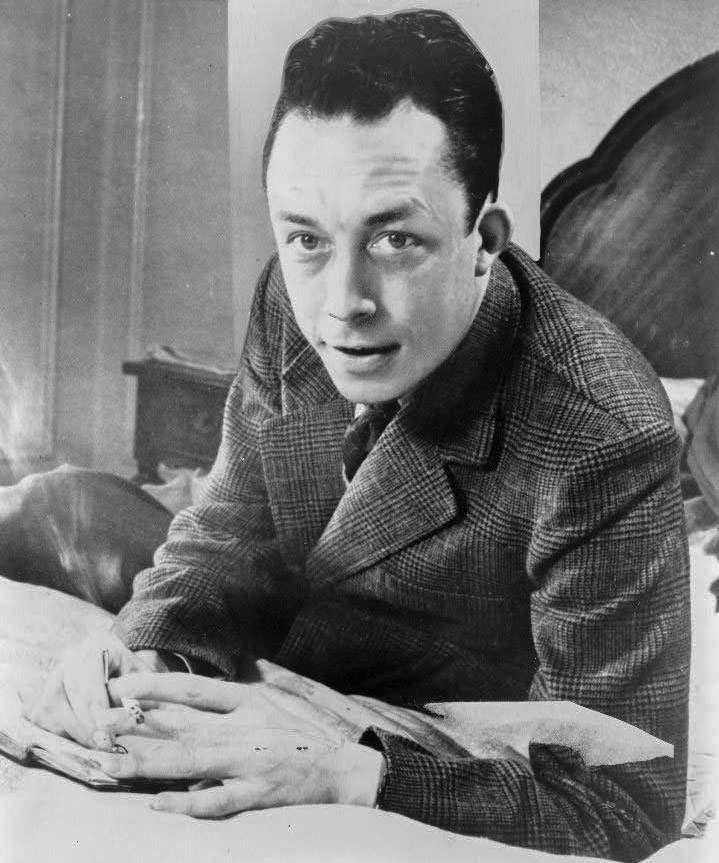
Why Herminie Templeton Kavanagh is still read today
Herminie Templeton Kavanagh’s Darby O’Gill stories preserve Irish folklore with warmth and authenticity, bridging oral tradition and popular literature. Her work inspired Disney’s beloved film adaptation and remains delightful reading for anyone interested in Irish fairy tales, folk humor, and the immigrant literary tradition.
Frequently Asked Questions
Who was Herminie Templeton Kavanagh?
An Irish-American writer (1861–1933) who created the beloved Darby O’Gill stories blending Irish folklore with humor, later inspiring a Walt Disney film.
Are these the original Darby O’Gill stories?
Yes, Kavanagh’s stories about Darby O’Gill predated and inspired Walt Disney’s 1959 film Darby O’Gill and the Little People.
Where can I read these stories online?
You can read Darby O’Gill and the Good People for free on TextStack with a clean reading interface.
Essential cookies keep you signed in and save your reading progress. Analytics cookies help us understand how the site is used. You can reject analytics — we still work without them. Learn more in our Privacy Policy.