J. W. von Goethe
Biography
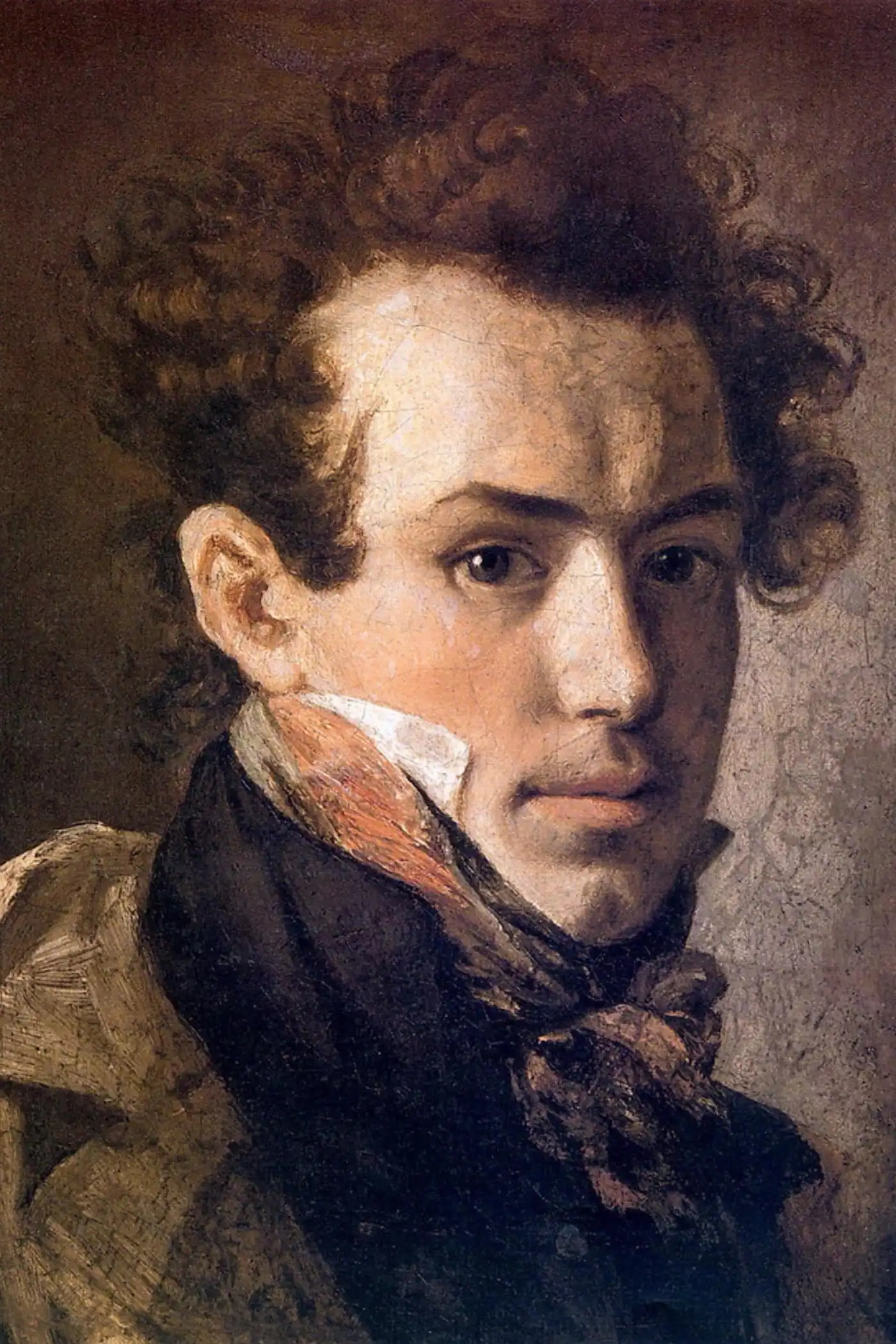
Johann Wolfgang von Goethe (1749–1832) was a German writer, poet, dramatist, and polymath who is considered the greatest figure in German literature and one of the most important writers in Western civilization. Born in Frankfurt am Main, Goethe was educated in law but devoted his life to literature, science, and public service, eventually serving as a minister in the Duchy of Weimar. His literary output encompasses virtually every genre: his early novel The Sorrows of Young Werther (1774) launched the Sturm und Drang movement and became an international sensation; his verse drama Faust (published in two parts, 1808 and 1832) is considered the supreme achievement of German literature; his later novels, including Wilhelm Meister’s Apprenticeship, established the Bildungsroman tradition. Goethe also made significant contributions to science, particularly in botany, optics, and morphology. His influence on German culture is comparable to Shakespeare’s on English culture—he defined the language, set artistic standards, and embodied the ideal of the universal genius.
Common themes in J. W. von Goethe's work
German literature
A recurring theme throughout J. W. von Goethe's writing.
Sturm und Drang
A recurring theme throughout J. W. von Goethe's writing.
Romanticism
A recurring theme throughout J. W. von Goethe's writing.
Bildungsroman
A recurring theme throughout J. W. von Goethe's writing.
Books
Explore by genre
Other authors you may enjoy
Why J. W. von Goethe is still read today
Goethe’s influence on Western literature, philosophy, and culture is immeasurable. The Sorrows of Young Werther pioneered the confessional novel and explored the tension between passion and reason that remains central to modern experience. His works continue to inspire writers, composers, and thinkers worldwide.
Frequently Asked Questions
Who was Goethe?
Johann Wolfgang von Goethe (1749–1832) was the greatest German writer, whose works including Faust, The Sorrows of Young Werther, and Wilhelm Meister defined German literature and influenced world culture.
Why is Goethe important?
He is to German literature what Shakespeare is to English—defining the language, establishing literary standards, and embodying the ideal of the universal creative genius.
Where can I read Goethe online?
You can read The Sorrows of Young Werther for free on TextStack.
Essential cookies keep you signed in and save your reading progress. Analytics cookies help us understand how the site is used. You can reject analytics — we still work without them. Learn more in our Privacy Policy.