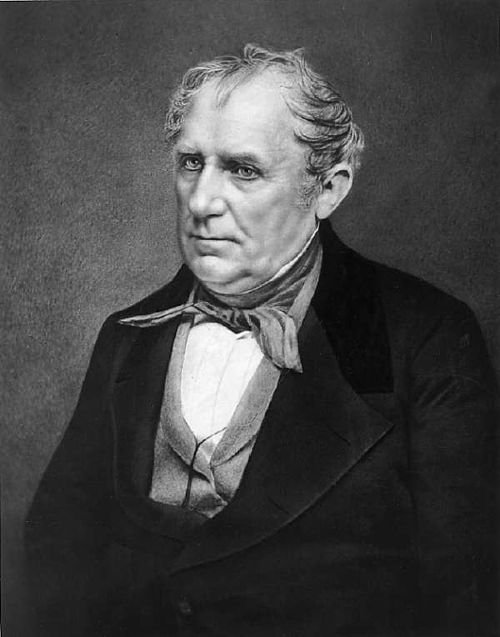
James Fenimore Cooper
Biography
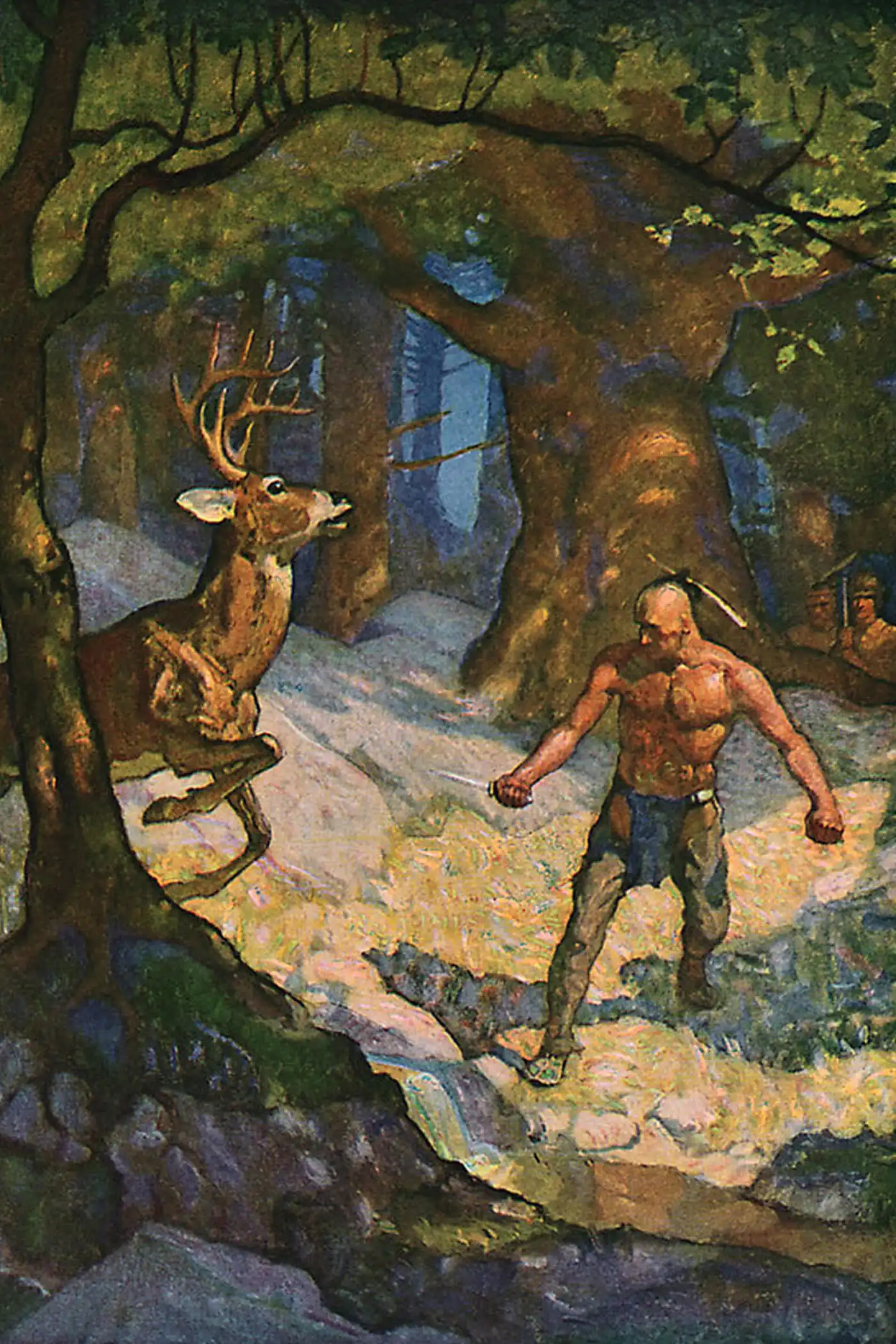
James Fenimore Cooper (1789-1851) was an American novelist who created the American frontier adventure genre and became the first major American novelist to gain international recognition. Born in Burlington, New Jersey, he grew up in Cooperstown, New York, a settlement founded by his father on the edge of the wilderness. Cooper's Leatherstocking Tales, featuring the frontier scout Natty Bumppo (Hawkeye), defined the American adventure novel. The Last of the Mohicans (1826) remains his most famous work, depicting the French and Indian War with vivid action and elegiac reflection on the displacement of Native Americans. The five-novel series also includes The Deerslayer and The Pathfinder. Though criticized by Mark Twain for stilted dialogue, Cooper's influence on American literature is undeniable. He established frontier themes that shaped the Western genre, explored the tension between civilization and wilderness, and created archetypes—the noble scout, the doomed Indian—that endure in American mythology.
Common themes in James Fenimore Cooper's work
The American frontier and wilderness
A recurring theme throughout James Fenimore Cooper's writing.
Native Americans and colonialism
A recurring theme throughout James Fenimore Cooper's writing.
Civilization vs. nature
A recurring theme throughout James Fenimore Cooper's writing.
American identity and mythology
A recurring theme throughout James Fenimore Cooper's writing.
Books
Explore by genre
Other authors you may enjoy
Why James Fenimore Cooper is still read today
James Fenimore Cooper created the American frontier romance and established enduring myths about the American wilderness and its indigenous peoples. The Leatherstocking Tales, featuring Natty Bumppo (Hawkeye), became foundational texts of American literature, influencing adventure fiction, Westerns, and American self-conception. While contemporary readers engage critically with his romanticized portrayals of Native Americans, his novels remain significant as early attempts to grapple with American identity and westward expansion. Cooper was the first internationally successful American novelist, proving American literature could compete with British. His influence on adventure fiction extended through the Western genre and survival narratives. Ecological readings of his work find early environmental consciousness in his depictions of wilderness destruction.
Frequently Asked Questions
What are the Leatherstocking Tales?
The Leatherstocking Tales are five novels featuring Natty Bumppo, a frontiersman raised among Delaware Indians: The Pioneers, The Last of the Mohicans, The Prairie, The Pathfinder, and The Deerslayer. They span Bumppo's life from youth to death, depicting frontier America.
How did Cooper influence the Western genre?
Cooper established key Western conventions: the skilled frontiersman between civilization and wilderness, conflicts with Native Americans, themes of settlement and loss. His influence extends through dime novels, Western films, and frontier mythology that shaped American identity.
Are Cooper's portrayals of Native Americans accurate?
Cooper's Native American characters reflect 19th-century stereotypes rather than accurate ethnography. While he portrayed some indigenous characters sympathetically, they remain romanticized 'noble savages.' Contemporary readers approach these portrayals critically while acknowledging their historical context.
Why did Mark Twain criticize Cooper?
Twain's satirical essay 'Fenimore Cooper's Literary Offenses' (1895) mocked Cooper's prose style, improbable plots, and wooden dialogue. While influential, Twain's critique was partly performative humor. Cooper's significance to American literature remains despite stylistic limitations.
What is The Last of the Mohicans about?
Set during the French and Indian War, the novel follows Hawkeye and his Mohican companions Chingachgook and Uncas as they escort two sisters through dangerous territory. It explores frontier warfare, interracial relationships, and the fate of indigenous peoples.
Essential cookies keep you signed in and save your reading progress. Analytics cookies help us understand how the site is used. You can reject analytics — we still work without them. Learn more in our Privacy Policy.