Jean-Jacques Rousseau
Biography
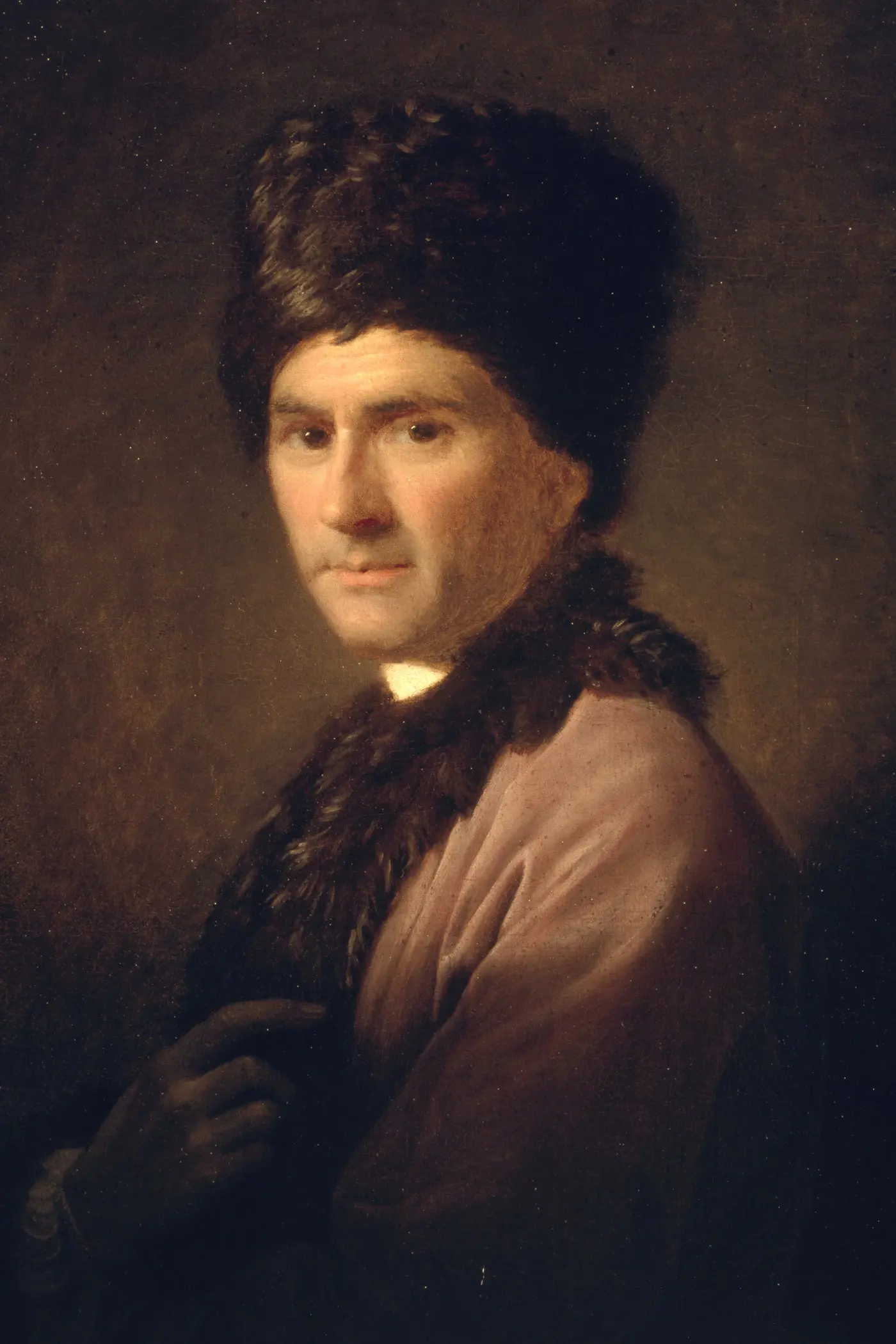
Jean-Jacques Rousseau (1712–1778) was a Genevan philosopher, writer, and composer whose ideas profoundly influenced the Enlightenment, the French Revolution, and the development of modern political and educational thought. Born in Geneva, Rousseau had a turbulent early life before settling in Paris, where he became a central figure of the French Enlightenment alongside Voltaire and Diderot. His Discourse on Inequality (1755) argued that civilization corrupts natural human goodness, while The Social Contract (1762) proposed that legitimate political authority must rest on a social contract among citizens. Émile (1762) revolutionized educational theory by arguing that children should learn through experience rather than rote instruction. His autobiographical Confessions pioneered the modern memoir. Rousseau’s ideas about popular sovereignty, the general will, and natural rights directly influenced the French and American revolutions. His emphasis on emotion, nature, and individual authenticity also helped inspire the Romantic movement. Few thinkers have shaped modern Western civilization as fundamentally as Rousseau.
Common themes in Jean-Jacques Rousseau's work
Social contract theory
A recurring theme throughout Jean-Jacques Rousseau's writing.
Political philosophy
A recurring theme throughout Jean-Jacques Rousseau's writing.
Enlightenment thought
A recurring theme throughout Jean-Jacques Rousseau's writing.
Popular sovereignty
A recurring theme throughout Jean-Jacques Rousseau's writing.
Books
Explore by genre
Other authors you may enjoy
Why Jean-Jacques Rousseau is still read today
Rousseau’s political philosophy—popular sovereignty, the social contract, the general will—remains foundational to democratic theory and continues to shape debates about governance, liberty, and equality. His ideas about education and human nature anticipated modern psychology and progressive pedagogy.
Frequently Asked Questions
Who was Jean-Jacques Rousseau?
Rousseau (1712–1778) was a Genevan philosopher whose ideas about the social contract, popular sovereignty, and education profoundly influenced the Enlightenment, the French Revolution, and modern democratic thought.
What is the social contract?
Rousseau’s theory that legitimate government authority derives from an agreement among citizens to form a collective body guided by the ‘general will’ for the common good.
Where can I read Rousseau online?
You can read The Social Contract for free on TextStack with a clean reading interface.
Essential cookies keep you signed in and save your reading progress. Analytics cookies help us understand how the site is used. You can reject analytics — we still work without them. Learn more in our Privacy Policy.