Joel Barlow
Biography
Joel Barlow (1754–1812) was an American poet, diplomat, and political writer who was one of the “Connecticut Wits,” a group of Yale-educated writers who sought to create a distinctly American literature in the aftermath of the Revolution. Born in Redding, Connecticut, Barlow served as a chaplain during the Revolutionary War before pursuing a literary and political career. He spent extended periods in Europe, where he became sympathetic to the French Revolution and wrote political pamphlets advocating democratic republicanism. His ambitions were epic: The Columbiad (1807), a revised and expanded version of his earlier Vision of Columbus, was an attempt to write the American national epic, tracing the history and destiny of the New World from Columbus to the young republic. Though The Columbiad was ultimately judged too ponderous for literary immortality, Barlow’s shorter mock-epic poem “The Hasty Pudding” is a beloved classic of early American verse. Barlow died during a diplomatic mission to Napoleon in 1812.
Common themes in Joel Barlow's work
American national epic
A recurring theme throughout Joel Barlow's writing.
Early American literature
A recurring theme throughout Joel Barlow's writing.
Connecticut Wits
A recurring theme throughout Joel Barlow's writing.
Revolutionary era
A recurring theme throughout Joel Barlow's writing.
Books
Explore by genre
Other authors you may enjoy
Why Joel Barlow is still read today
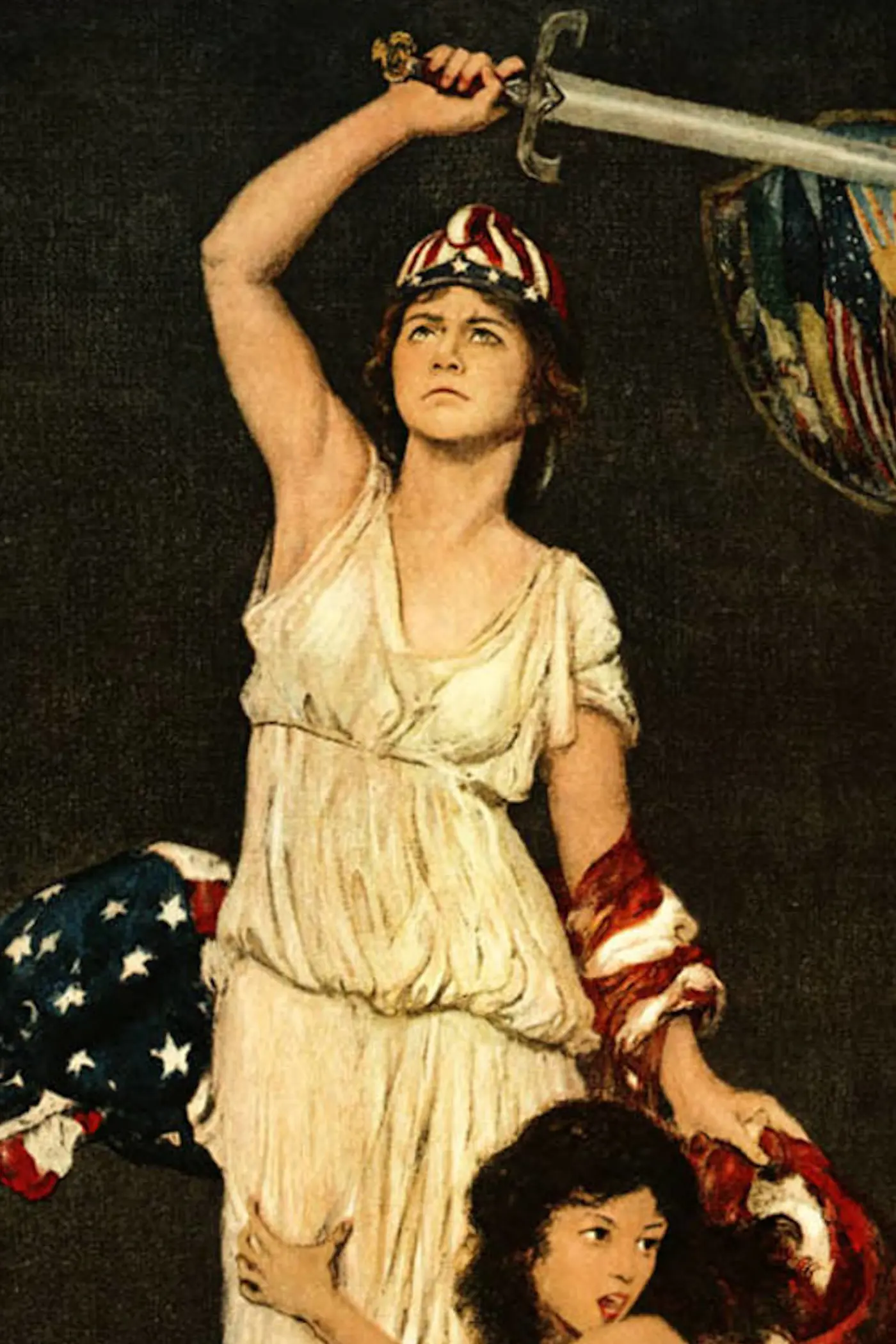
Joel Barlow’s The Columbiad represents one of the earliest and most ambitious attempts to create an American national epic. His work offers insight into how the young republic imagined its own destiny and sought to establish a distinctive cultural identity through literature.
Frequently Asked Questions
Who was Joel Barlow?
Joel Barlow (1754–1812) was an American poet and diplomat who attempted to write the American national epic with The Columbiad, and was one of the Connecticut Wits.
What is The Columbiad?
An ambitious epic poem tracing the history and destiny of the Americas from Columbus to the young American republic—one of the earliest attempts at a national American epic.
Where can I read Barlow online?
You can read The Columbiad for free on TextStack with a clean reading interface.
Essential cookies keep you signed in and save your reading progress. Analytics cookies help us understand how the site is used. You can reject analytics — we still work without them. Learn more in our Privacy Policy.