John Muir
Biography
John Muir (1838–1914) was a Scottish-American naturalist, author, and environmental philosopher whose writings and activism were instrumental in the creation of America’s national park system. Born in Dunbar, Scotland, Muir immigrated to Wisconsin as a child and later walked a thousand miles from Indiana to Florida before settling in California, where he fell in love with the Sierra Nevada mountains. His passionate writings about the wilderness—combining scientific observation with lyrical, almost mystical appreciation of nature—awakened Americans to the beauty and fragility of their natural heritage. Muir founded the Sierra Club in 1892 and his advocacy directly influenced President Theodore Roosevelt to establish national parks, monuments, and forest reserves. His books, including My First Summer in the Sierra, The Mountains of California, and Our National Parks, remain classics of nature writing that combine precise observation with transcendent joy. Muir is often called the “Father of the National Parks” and his legacy continues to inspire environmental conservation worldwide.
Common themes in John Muir's work
Nature writing
A recurring theme throughout John Muir's writing.
Conservation
A recurring theme throughout John Muir's writing.
Sierra Nevada
A recurring theme throughout John Muir's writing.
National parks
A recurring theme throughout John Muir's writing.
Books
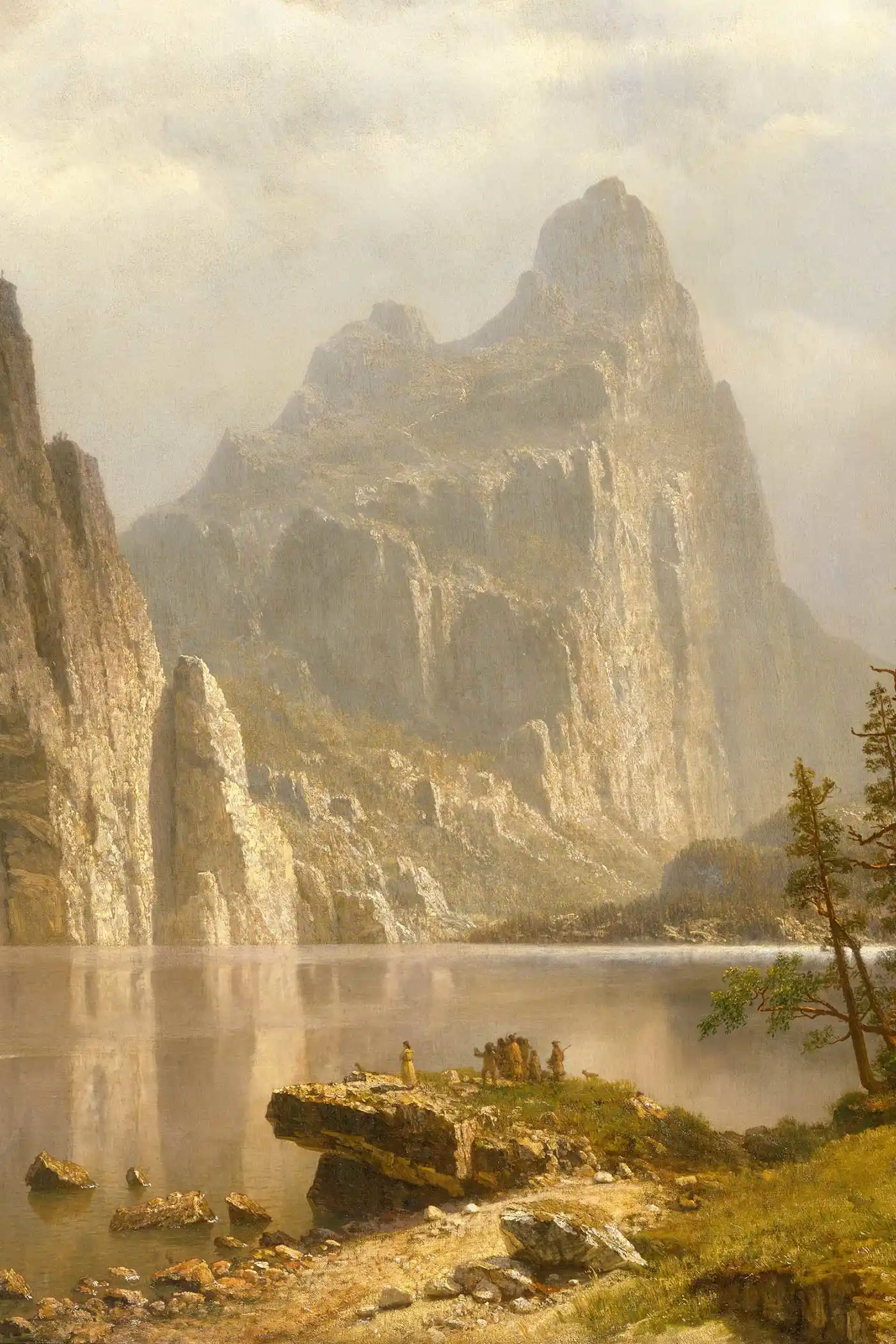
Explore by genre
Other authors you may enjoy
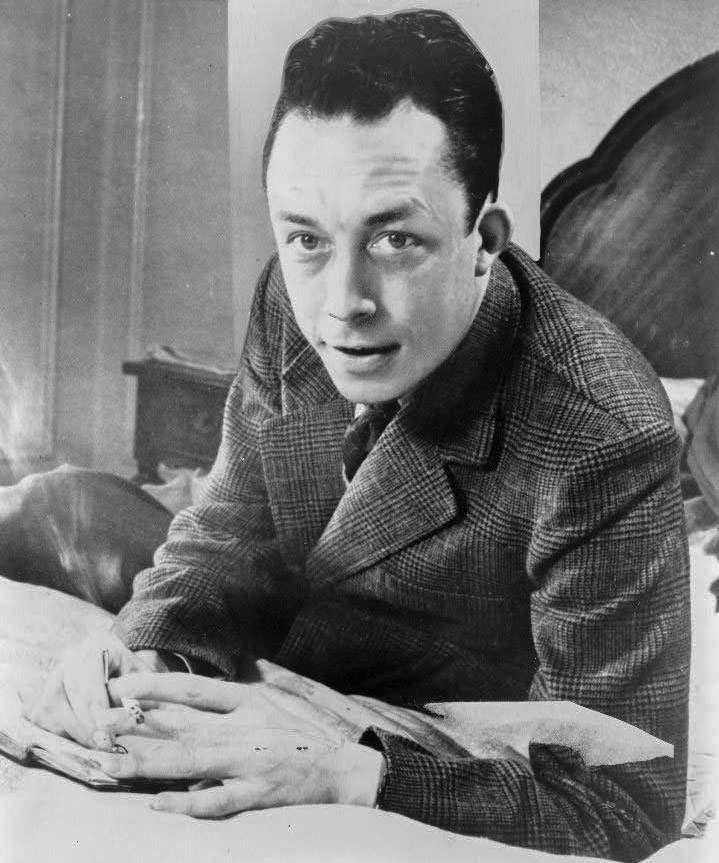
Why John Muir is still read today
John Muir’s nature writing and conservation advocacy are more relevant than ever amid the climate crisis and ongoing debates about wilderness preservation. His lyrical celebrations of wild nature and passionate arguments for conservation continue to inspire environmental movements worldwide.
Frequently Asked Questions
Who was John Muir?
John Muir (1838–1914) was a Scottish-American naturalist, author, and ‘Father of the National Parks’ whose writings and activism were instrumental in creating America’s national park system.
Why is Muir important to conservation?
He founded the Sierra Club, influenced Theodore Roosevelt to establish national parks, and his writings awakened Americans to the value of wilderness preservation.
Where can I read Muir online?
You can read My First Summer in the Sierra for free on TextStack.
Essential cookies keep you signed in and save your reading progress. Analytics cookies help us understand how the site is used. You can reject analytics — we still work without them. Learn more in our Privacy Policy.