John Steinbeck
Biography
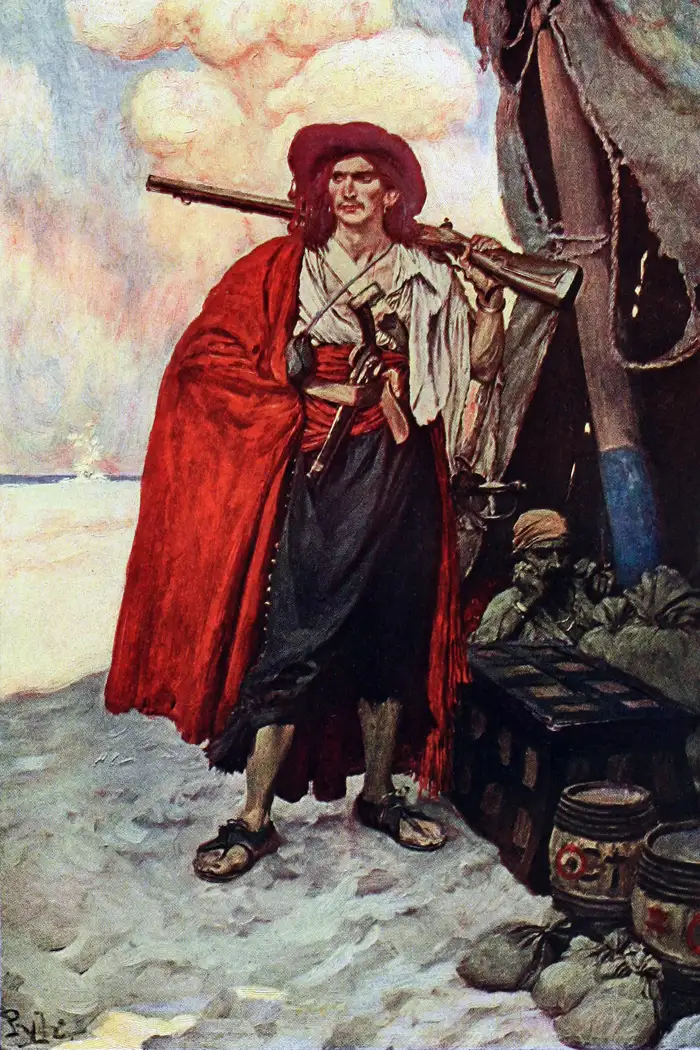
John Steinbeck (1902–1968) was an American novelist and Nobel Prize laureate whose fiction about the working poor, migrant laborers, and the American Dream made him one of the most widely read and beloved American authors of the twentieth century. Born in Salinas, California, Steinbeck attended Stanford University without graduating and worked as a laborer and journalist before achieving literary success. His masterworks—Of Mice and Men (1937), The Grapes of Wrath (1939), and East of Eden (1952)—combine social realism with mythic storytelling, creating narratives that are simultaneously rooted in specific California landscapes and universal in their exploration of human dignity, injustice, and the search for belonging. The Grapes of Wrath, about Dust Bowl migrants in California, won the Pulitzer Prize and remains one of the most powerful social novels in American literature. Steinbeck won the Nobel Prize in Literature in 1962 “for his realistic and imaginative writings, combining as they do sympathetic humour and keen social perception.” His early novel Cup of Gold (1929) explored the life of pirate Henry Morgan.
Common themes in John Steinbeck's work
Nobel Prize literature
A recurring theme throughout John Steinbeck's writing.
American social novel
A recurring theme throughout John Steinbeck's writing.
Working-class fiction
A recurring theme throughout John Steinbeck's writing.
California setting
A recurring theme throughout John Steinbeck's writing.
Books
Explore by genre
Other authors you may enjoy

Why John Steinbeck is still read today
John Steinbeck’s fiction about economic inequality, migrant labor, and the American Dream speaks directly to contemporary concerns about working-class struggles and social justice. His novels remain among the most widely read and taught works of American literature.
Frequently Asked Questions
Who was John Steinbeck?
John Steinbeck (1902–1968) was a Nobel Prize-winning American novelist whose works including The Grapes of Wrath and Of Mice and Men are among the most beloved and widely read American novels.
What are Steinbeck’s most famous works?
The Grapes of Wrath, Of Mice and Men, East of Eden, Cannery Row, and Tortilla Flat are his best-known novels.
Where can I read Steinbeck online?
You can read Cup of Gold for free on TextStack with a clean reading interface.
Essential cookies keep you signed in and save your reading progress. Analytics cookies help us understand how the site is used. You can reject analytics — we still work without them. Learn more in our Privacy Policy.