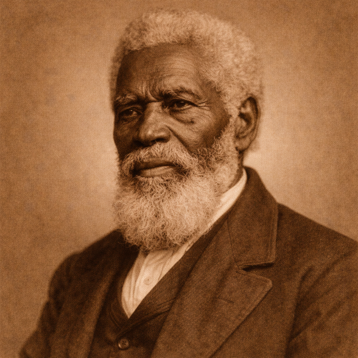
Josiah Henson
Biography
Josiah Henson (1789–1883) was an African American author, minister, and abolitionist who escaped slavery in Maryland and became a prominent leader of the Black community in Canada. Born into slavery in Charles County, Maryland, Henson endured decades of bondage before escaping with his family to Canada in 1830 via the Underground Railroad. In Canada, he founded the Dawn Settlement, a community for escaped slaves, and established schools and a lumber business. His autobiography, first published as The Life of Josiah Henson (1849) and later expanded, is believed to have inspired Harriet Beecher Stowe’s character Uncle Tom in Uncle Tom’s Cabin. Henson’s narrative provides a powerful firsthand account of slavery’s brutality, the courage required to escape, and the possibilities of freedom. He traveled to England, where he met Queen Victoria, and was celebrated as a spokesman for the abolitionist cause. Henson’s story represents both the horror of American slavery and the extraordinary resilience of those who survived and triumphed over it.
Common themes in Josiah Henson's work
Slave narrative
A recurring theme throughout Josiah Henson's writing.
Underground Railroad
A recurring theme throughout Josiah Henson's writing.
Abolitionism
A recurring theme throughout Josiah Henson's writing.
African American history
A recurring theme throughout Josiah Henson's writing.
Books
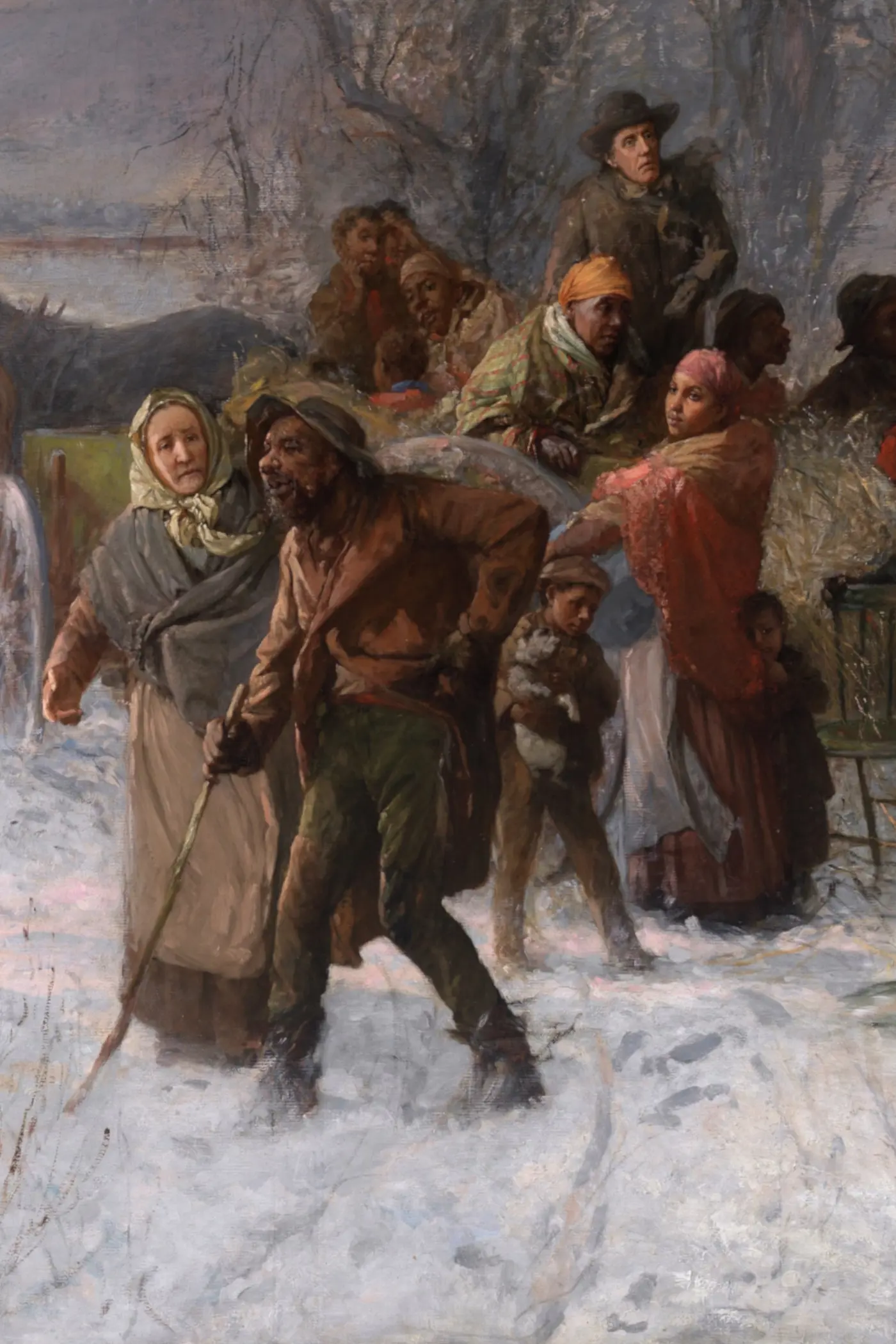
Explore by genre
Other authors you may enjoy
Why Josiah Henson is still read today
Josiah Henson’s autobiography is a powerful primary source on American slavery and the Underground Railroad. His story’s connection to Uncle Tom’s Cabin makes it essential reading for understanding one of the most influential novels in American history and the real experiences that inspired it.
Frequently Asked Questions
Who was Josiah Henson?
Josiah Henson (1789–1883) was an escaped slave whose autobiography is believed to have inspired the character of Uncle Tom in Harriet Beecher Stowe’s Uncle Tom’s Cabin.
Did Henson inspire Uncle Tom?
His 1849 autobiography is widely believed to have inspired Stowe’s character, though Stowe drew on multiple sources.
Where can I read Henson online?
You can read Father Henson’s Story of His Own Life for free on TextStack.
Essential cookies keep you signed in and save your reading progress. Analytics cookies help us understand how the site is used. You can reject analytics — we still work without them. Learn more in our Privacy Policy.