Julia Peterkin
Biography
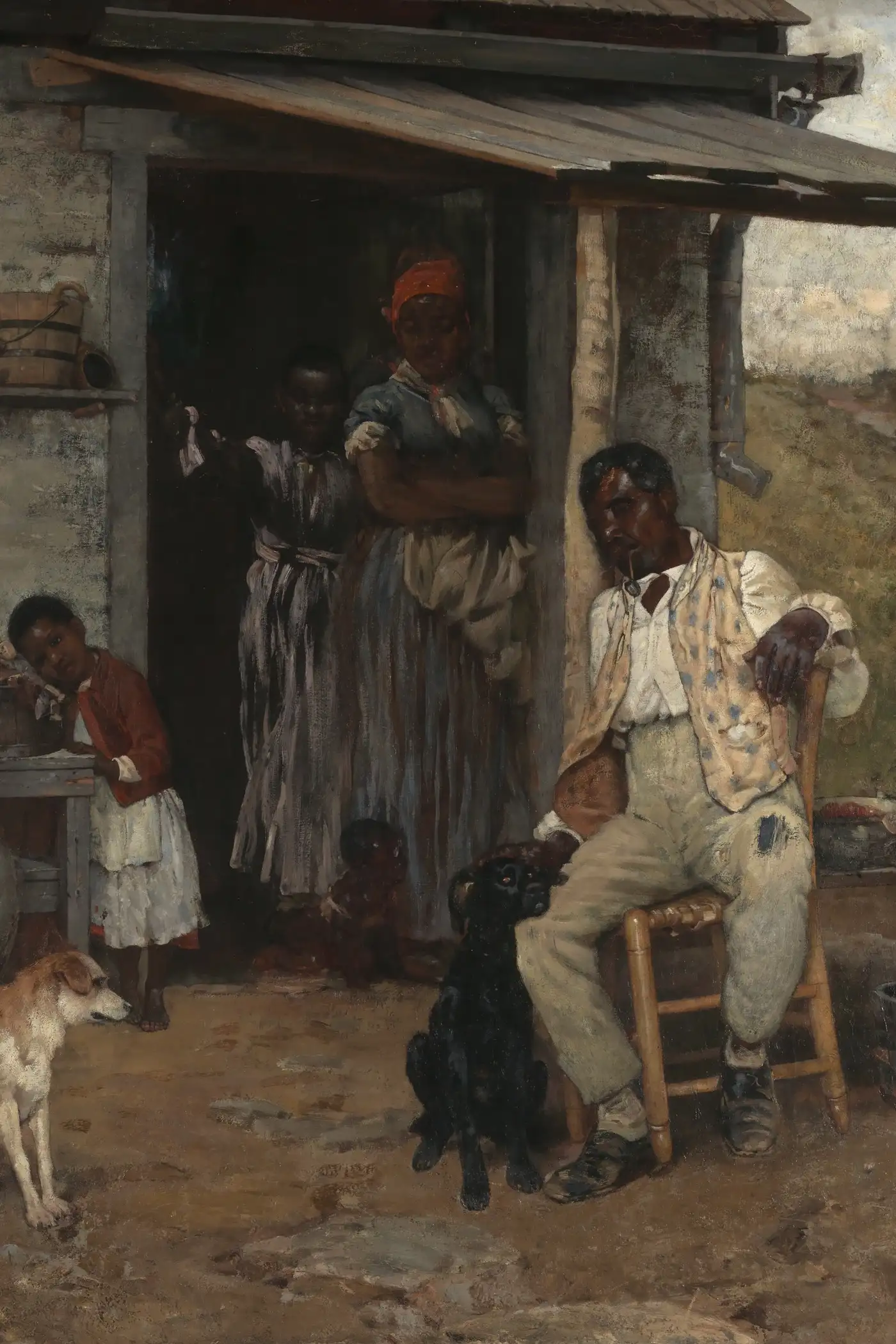
Julia Peterkin (1880–1961) was an American novelist who won the Pulitzer Prize for Fiction in 1929 for Scarlet Sister Mary. Born Julia Mood in Laurens County, South Carolina, Peterkin grew up on a plantation and later managed Lang Syne Plantation with her husband. She became one of the first white Southern writers to portray African American life with depth and respect, drawing on her close relationships with the Gullah community on her plantation. Her novels, including Black April and Scarlet Sister Mary, depict the lives, customs, and spiritual practices of Gullah people in the South Carolina Lowcountry with vivid detail and genuine sympathy. Peterkin’s work was controversial in the South for its frank treatment of Black sexuality and spirituality, but was acclaimed by critics including Carl Sandburg and H.L. Mencken. Her portrayal of Gullah culture preserves a rich African American folk tradition that was rapidly changing during her lifetime.
Common themes in Julia Peterkin's work
Gullah culture
A recurring theme throughout Julia Peterkin's writing.
Pulitzer Prize fiction
A recurring theme throughout Julia Peterkin's writing.
South Carolina Lowcountry
A recurring theme throughout Julia Peterkin's writing.
African American folk life
A recurring theme throughout Julia Peterkin's writing.
Books
Explore by genre
Other authors you may enjoy
Why Julia Peterkin is still read today
Julia Peterkin’s Pulitzer Prize-winning fiction preserves Gullah culture and African American folk traditions of the South Carolina Lowcountry. Her respectful, vivid portrayals of Black life were groundbreaking for their era and remain valuable documents of a rich cultural heritage.
Frequently Asked Questions
Who was Julia Peterkin?
Julia Peterkin (1880–1961) was an American novelist who won the 1929 Pulitzer Prize for Scarlet Sister Mary, praised for vivid portrayals of Gullah culture in the South Carolina Lowcountry.
Why is Peterkin significant?
She was among the first white Southern writers to portray African American life with depth and respect, preserving Gullah cultural traditions.
Where can I read Peterkin online?
You can read Scarlet Sister Mary for free on TextStack.
Essential cookies keep you signed in and save your reading progress. Analytics cookies help us understand how the site is used. You can reject analytics — we still work without them. Learn more in our Privacy Policy.