Lewis Mumford
Biography
Lewis Mumford (1895–1990) was an American historian, sociologist, philosopher of technology, and literary critic, one of the most wide-ranging public intellectuals of the 20th century. Born in Flushing, New York, he studied at various universities without taking a degree. His books on architecture, urban planning, and technology—including The Story of Utopias (1922), Sticks and Stones (1924), Technics and Civilization (1934), and The City in History (1961)—influenced generations of urban planners, architects, and cultural critics. He was a fierce critic of suburban sprawl, nuclear weapons, and dehumanizing technology.
Common themes in Lewis Mumford's work
Urban planning
A recurring theme throughout Lewis Mumford's writing.
Architecture criticism
A recurring theme throughout Lewis Mumford's writing.
Technology and society
A recurring theme throughout Lewis Mumford's writing.
American intellectual history
A recurring theme throughout Lewis Mumford's writing.
Books


Explore by genre
Other authors you may enjoy
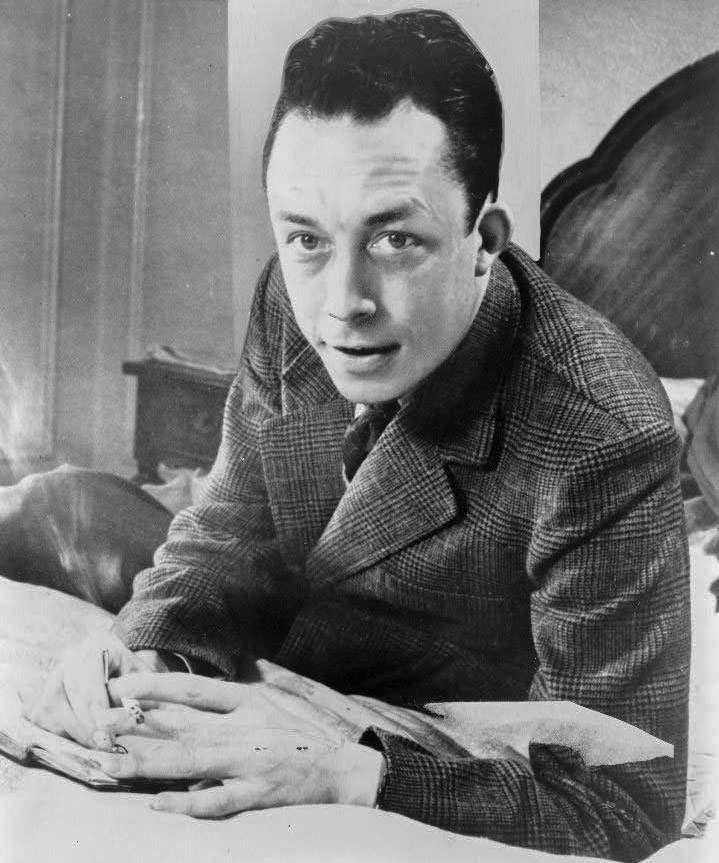
Why Lewis Mumford is still read today
Mumford’s critiques of technology, urban sprawl, and dehumanizing modernity are more relevant than ever. His architectural and urban criticism shaped how we think about cities and building.
Frequently Asked Questions
Who was Lewis Mumford?
Lewis Mumford (1895–1990) was an American historian and critic of technology, architecture, and urban planning, one of the 20th century’s most influential public intellectuals.
What are his major works?
The Story of Utopias, Sticks and Stones, Technics and Civilization, and The City in History. Several are available free on TextStack.
Why is he important?
His critiques of technology, suburbia, and dehumanizing modernity influenced urban planning and cultural thought for decades.
Where can I read Mumford free?
TextStack offers Mumford’s early works to read free online.
Essential cookies keep you signed in and save your reading progress. Analytics cookies help us understand how the site is used. You can reject analytics — we still work without them. Learn more in our Privacy Policy.