Lysander Spooner
Biography
Lysander Spooner (1808–1887) was an American political philosopher, abolitionist, entrepreneur, and legal theorist who became one of the most radical individualist thinkers in American history. Born on a farm in Athol, Massachusetts, Spooner studied law and was admitted to the bar despite lacking the required university training—a fact that fueled his lifelong skepticism of credentialing and government regulation. In 1844 he founded the American Letter Mail Company to compete with the U.S. Post Office, arguing that the government mail monopoly was unconstitutional. Though legally forced to close, his competition temporarily forced the Post Office to reduce its rates. Spooner is best known for his political and legal writings, particularly The Unconstitutionality of Slavery (1845), which argued on strictly constitutional grounds that slavery was illegal—a position embraced by some abolitionists and rejected by others. His later work, No Treason (1867–1870), made a radical argument that the U.S. Constitution has no binding authority because no living person has consented to it. Spooner influenced both left-wing and right-wing libertarian traditions and remains a central figure in anarchist and voluntaryist thought.
Common themes in Lysander Spooner's work
Anarchist Philosophy
A recurring theme throughout Lysander Spooner's writing.
Individual Liberty
A recurring theme throughout Lysander Spooner's writing.
Constitutional Theory
A recurring theme throughout Lysander Spooner's writing.
Abolitionism
A recurring theme throughout Lysander Spooner's writing.
Books

Explore by genre
Other authors you may enjoy
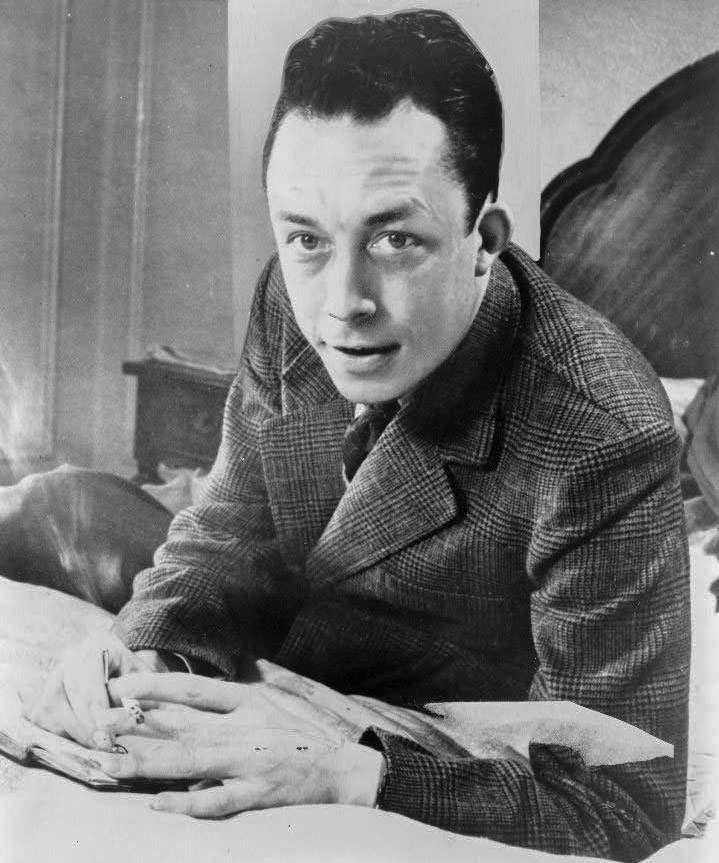
Why Lysander Spooner is still read today
Spooner’s arguments about individual consent, government legitimacy, and natural rights continue to fuel debates in libertarian, anarchist, and constitutional theory. His questioning of whether any government can claim authority over individuals who never consented to its rule remains one of the most provocative challenges in political philosophy.
Frequently Asked Questions
Who was Lysander Spooner?
Spooner was an American political philosopher, abolitionist, and radical individualist whose writings challenged government authority and slavery on constitutional grounds. Read No Treason free on TextStack.
What is No Treason about?
No Treason argues that the U.S. Constitution has no authority over anyone because no living person has voluntarily signed or consented to it, making its enforcement a form of coercion.
Was Spooner an abolitionist?
Yes. His Unconstitutionality of Slavery (1845) argued that the Constitution, properly interpreted, prohibited slavery—a controversial position that influenced the abolitionist movement.
Where can I read Spooner’s work?
You can read No Treason for free on TextStack—one of the most radical and provocative works in American political philosophy.
Essential cookies keep you signed in and save your reading progress. Analytics cookies help us understand how the site is used. You can reject analytics — we still work without them. Learn more in our Privacy Policy.