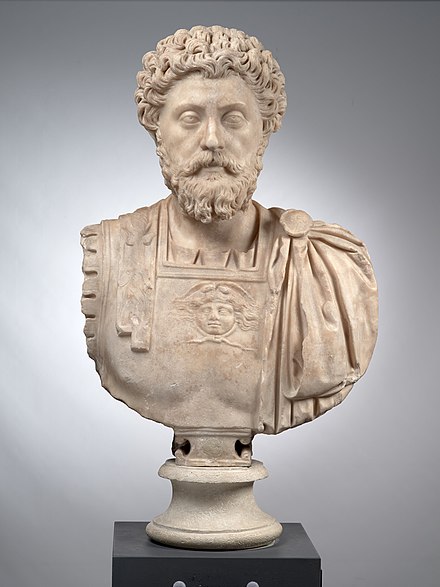
Marcus Aurelius
Biography
Marcus Aurelius (121-180 AD) was a Roman Emperor and Stoic philosopher whose Meditations remains one of the most influential works of practical philosophy. Born in Rome to a politically prominent family, he was adopted by Emperor Antoninus Pius and succeeded him in 161 AD, ruling for nearly twenty years during a period of military conflict and plague. The Meditations, a series of personal writings never intended for publication, were composed during military campaigns as exercises in Stoic self-improvement. Marcus reflects on mortality, duty, the control of emotions, and the importance of rational action. His advice on managing adversity, finding inner peace, and fulfilling one's responsibilities resonates powerfully today. Considered the last of the "Five Good Emperors," Marcus Aurelius represents the philosopher-king ideal from Plato's Republic made real. His writings demonstrate that even the most powerful person can practice humility, self-examination, and service to others. The Meditations continues to guide readers seeking wisdom and equanimity.
Common themes in Marcus Aurelius's work
Stoic philosophy and practice
A recurring theme throughout Marcus Aurelius's writing.
Inner tranquility amid chaos
A recurring theme throughout Marcus Aurelius's writing.
Duty and service
A recurring theme throughout Marcus Aurelius's writing.
Impermanence and mortality
A recurring theme throughout Marcus Aurelius's writing.
Books
Explore by genre
Other authors you may enjoy
Why Marcus Aurelius is still read today
Marcus Aurelius, Roman Emperor and Stoic philosopher, left in his Meditations one of the most influential works of practical philosophy ever written. Composed as private reflections during military campaigns, the text offers timeless guidance on maintaining equanimity amid life's challenges. Contemporary interest in Stoicism has made Aurelius newly relevant, with his teachings applied to everything from cognitive behavioral therapy to business leadership. His example of a philosopher-king attempting to live according to his principles fascinates readers across political and philosophical spectrums. In an age of anxiety and uncertainty, his emphasis on focusing only on what we can control resonates powerfully. The Meditations remains one of the most read philosophical texts in history.
Frequently Asked Questions
What are the Meditations about?
The Meditations are Marcus Aurelius's private philosophical journal, written during military campaigns. They contain reflections on Stoic philosophy applied to daily life: accepting what we cannot control, doing our duty, maintaining equanimity, and remembering life's impermanence.
What is Stoicism?
Stoicism is an ancient Greek philosophy emphasizing virtue, reason, and accepting what we cannot control while acting rightly on what we can. Stoics sought tranquility through understanding nature's order and fulfilling their social duties. Marcus Aurelius is one of its most famous practitioners.
Was Marcus Aurelius a good emperor?
Generally considered one of Rome's 'Five Good Emperors,' Marcus Aurelius ruled justly during difficult times including plague and war. However, his persecution of Christians and choice of his unstable son Commodus as successor complicate his legacy.
Why are the Meditations so popular today?
Modern Stoicism has revived interest in Marcus Aurelius. His practical advice on managing emotions, accepting difficulties, and focusing on virtue resonates with contemporary concerns about anxiety, meaning, and resilience. His position as philosopher-ruler also fascinates readers.
Did Marcus Aurelius write for publication?
No, the Meditations were private reflections, not intended for others. Their intimate, sometimes repetitive nature reflects genuine self-examination. Their survival and publication were fortunate accidents. The title 'Meditations' was added later; Aurelius left no title.
Essential cookies keep you signed in and save your reading progress. Analytics cookies help us understand how the site is used. You can reject analytics — we still work without them. Learn more in our Privacy Policy.