Marie de France
Biography
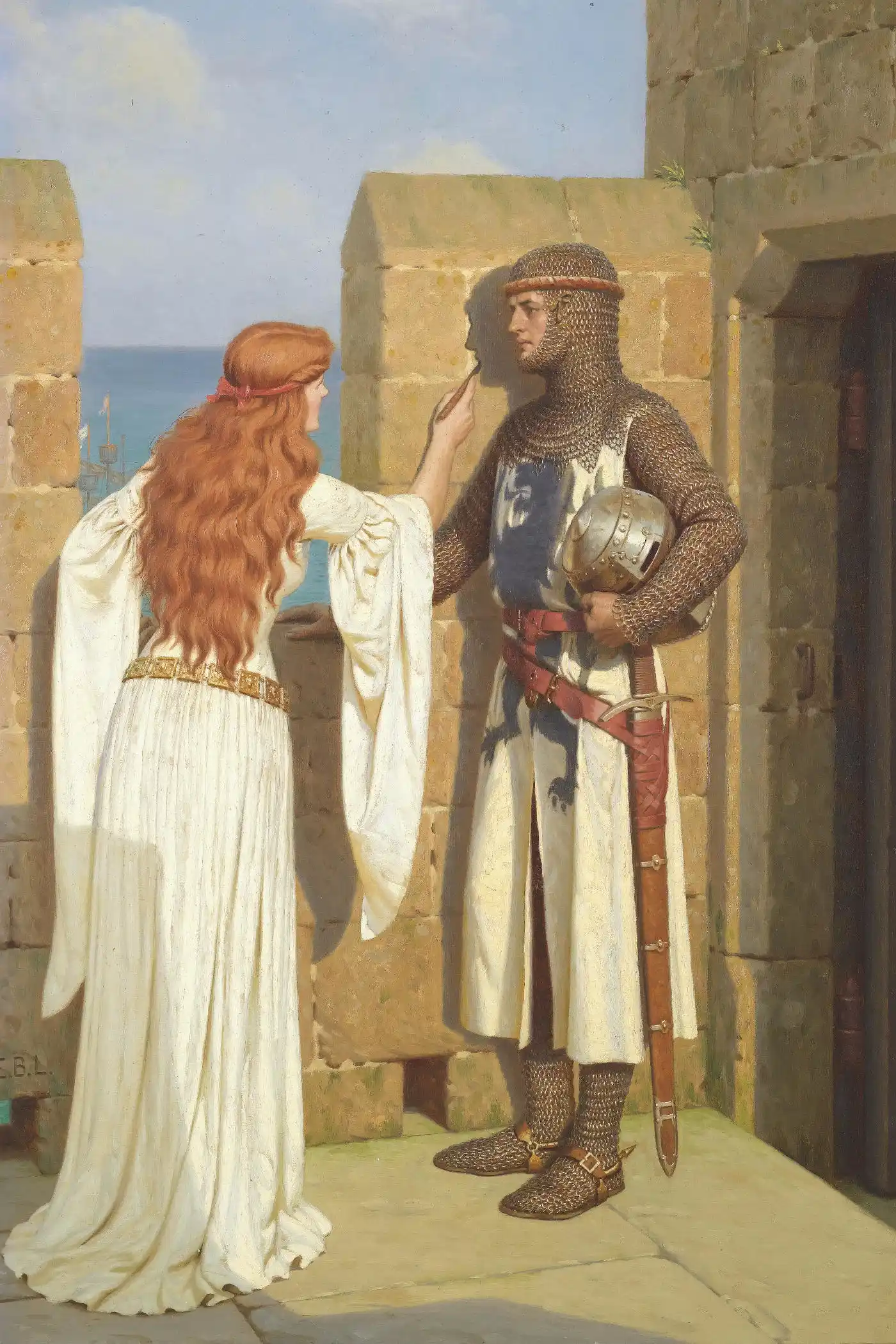
Marie de France (fl. 1160–1215) was a medieval poet, likely of French origin, who wrote in Anglo-Norman French and is the earliest known French woman poet. Despite extensive scholarly investigation, her identity remains uncertain—she may have been Marie, Abbess of Shaftesbury (an illegitimate daughter of Henry II), Marie de Meulan, or another noblewoman connected to the Anglo-Norman court. She is known primarily for three works: the Lais (twelve narrative poems based on Breton legends of love and the supernatural), the Fables (Ésope, a collection of over 100 fables adapted from Aesop and other sources), and the Espurgatoire Saint Patriz (a translation of a Latin account of St. Patrick’s Purgatory). The Lais are her most celebrated achievement—short, elegant verse narratives that explore the joys and sorrows of love, often involving supernatural elements: fairy lovers, werewolves, magical ships, and enchanted objects. Written for a courtly audience, the Lais combine Celtic storytelling traditions with sophisticated psychological insight and moral complexity. Marie de France occupies a unique position in medieval literature as a woman writing with authority, wit, and artistic mastery.
Common themes in Marie de France's work
Medieval Literature
A recurring theme throughout Marie de France's writing.
Courtly Love
A recurring theme throughout Marie de France's writing.
Celtic Mythology
A recurring theme throughout Marie de France's writing.
Women Writers in History
A recurring theme throughout Marie de France's writing.
Books
Explore by genre
Other authors you may enjoy
Why Marie de France is still read today
Marie de France’s Lais remain among the most beautiful and accessible works of medieval literature, offering windows into the values, imagination, and emotional world of the 12th century. As the earliest known French woman poet, she is central to the history of women’s literary achievement and to understanding medieval courtly culture.
Frequently Asked Questions
Who was Marie de France?
Marie de France was a 12th-century poet and the earliest known French woman writer, celebrated for her Lais—elegant verse narratives of love and the supernatural. Read them free on TextStack.
What are the Lais?
The Lais are twelve short narrative poems based on Breton legends, exploring love, loyalty, and the supernatural through stories of fairy lovers, werewolves, and enchanted objects.
Why is Marie de France’s identity uncertain?
She identifies herself only as “Marie” who is “from France.” Several historical women have been proposed as candidates, but no identification is certain.
Where can I read Marie de France?
You can read the Lais of Marie de France for free on TextStack—among the most beautiful and accessible works of medieval literature.
Essential cookies keep you signed in and save your reading progress. Analytics cookies help us understand how the site is used. You can reject analytics — we still work without them. Learn more in our Privacy Policy.