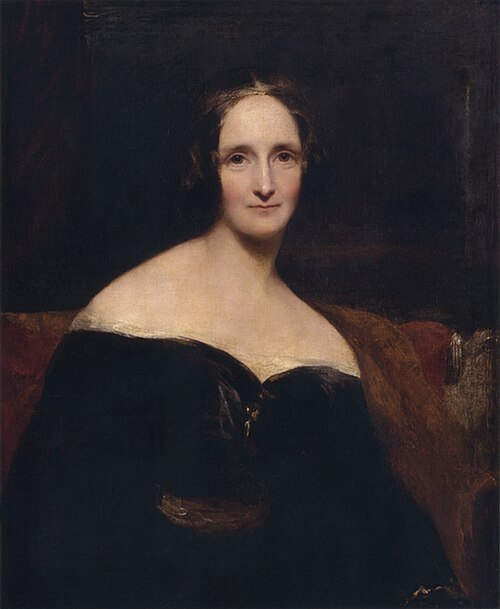
Mary Shelley
Biography
Mary Shelley (1797-1851) was an English novelist who created one of literature's most enduring myths with Frankenstein (1818), often considered the first science fiction novel. Daughter of feminist philosopher Mary Wollstonecraft and political philosopher William Godwin, she eloped at sixteen with the poet Percy Bysshe Shelley. Frankenstein originated during the famous summer of 1816 at Lake Geneva, when Mary, Percy, Lord Byron, and John Polidori challenged each other to write ghost stories. Mary's tale of a scientist who creates life only to face horrifying consequences has inspired countless adaptations and sparked debates about scientific ethics that remain urgent today. After Percy's death in 1822, Mary continued writing, producing novels including The Last Man (1826), short stories, and editorial work preserving her husband's legacy. Though long overshadowed by her famous parents and husband, she is now recognized as a literary pioneer whose exploration of creation, responsibility, and the consequences of unchecked ambition speaks powerfully across centuries.
Common themes in Mary Shelley's work
Scientific creation
A recurring theme throughout Mary Shelley's writing.
Parental responsibility
A recurring theme throughout Mary Shelley's writing.
Alienation and rejection
A recurring theme throughout Mary Shelley's writing.
Nature versus nurture
A recurring theme throughout Mary Shelley's writing.
Books
Explore by genre
Other authors you may enjoy
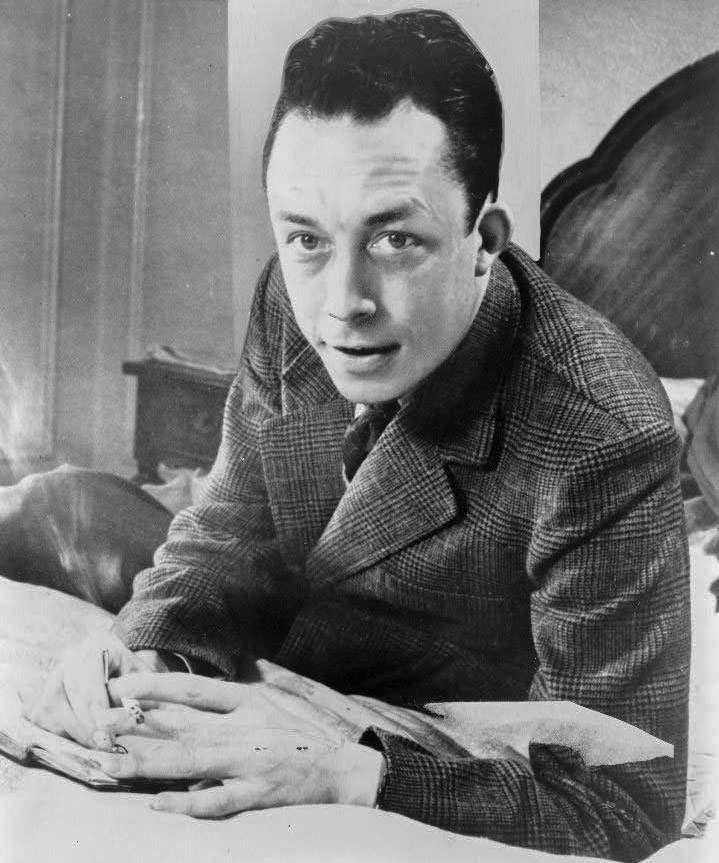
Why Mary Shelley is still read today
Mary Shelley created science fiction with Frankenstein, written when she was just eighteen. Her novel questioning the ethics of scientific creation anticipated debates about genetic engineering, artificial intelligence, and human modification that intensify today. "Frankenstein" has become shorthand for scientific hubris and its consequences. Beyond her famous novel, Shelley was a significant literary figure—daughter of feminist pioneer Mary Wollstonecraft, wife of poet Percy Shelley, and author of other novels and stories. Her apocalyptic novel The Last Man pioneered post-apocalyptic fiction. She deserves recognition as a serious author, not just as creator of a monster myth.
Frequently Asked Questions
How old was Mary Shelley when she wrote Frankenstein?
Shelley began Frankenstein at 18 and published it at 20 (1818). The novel emerged from a ghost story competition with Percy Shelley, Lord Byron, and John Polidori. Her youth makes the novel's sophistication even more remarkable.
Is Mary Shelley considered the mother of science fiction?
Many scholars award her that title. Frankenstein uses science (galvanism) as the mechanism for its horror, distinguishing it from supernatural Gothic fiction. It established the template of scientific creation gone wrong.
What else did Mary Shelley write?
Shelley wrote other novels including The Last Man (apocalyptic fiction), Valperga, and The Fortunes of Perkin Warbeck, plus numerous short stories. She also edited Percy Shelley's work after his death.
What was Mary Shelley's family background?
Her mother was Mary Wollstonecraft, author of A Vindication of the Rights of Woman. Her father was philosopher William Godwin. She eloped with married poet Percy Shelley at 16 and married him after his first wife's suicide.
Essential cookies keep you signed in and save your reading progress. Analytics cookies help us understand how the site is used. You can reject analytics — we still work without them. Learn more in our Privacy Policy.