Philip James Bailey
Biography
Philip James Bailey (1816–1902) was an English poet best known for his vast philosophical poem Festus, one of the most ambitious and widely read English poems of the Victorian era. Born in Nottingham, the son of a newspaper owner, Bailey studied law at Lincoln’s Inn but devoted himself to poetry. He published the first version of Festus in 1839, at age twenty-three, and spent the next fifty years continuously expanding it—from the original 8,000 lines to over 40,000 in the final 1889 edition. The poem retells the Faust legend, following its protagonist through conversations with God, Lucifer, angels, and mortals as he explores questions of love, death, immortality, and the purpose of human existence. Festus was enormously popular in both Britain and America, going through over thirty editions and earning Bailey comparison to Milton and Goethe. Bailey was associated with the "Spasmodic School" of poets—writers of ambitious, emotionally intense philosophical verse—though this association eventually became a liability as critics turned against the movement. Bailey’s reputation declined sharply in the later Victorian period, but Festus remains a remarkable document of Victorian spiritual ambition.
Common themes in Philip James Bailey's work
Victorian Poetry
A recurring theme throughout Philip James Bailey's writing.
Faust Legend
A recurring theme throughout Philip James Bailey's writing.
Philosophical Poetry
A recurring theme throughout Philip James Bailey's writing.
Spiritual Quest
A recurring theme throughout Philip James Bailey's writing.
Books
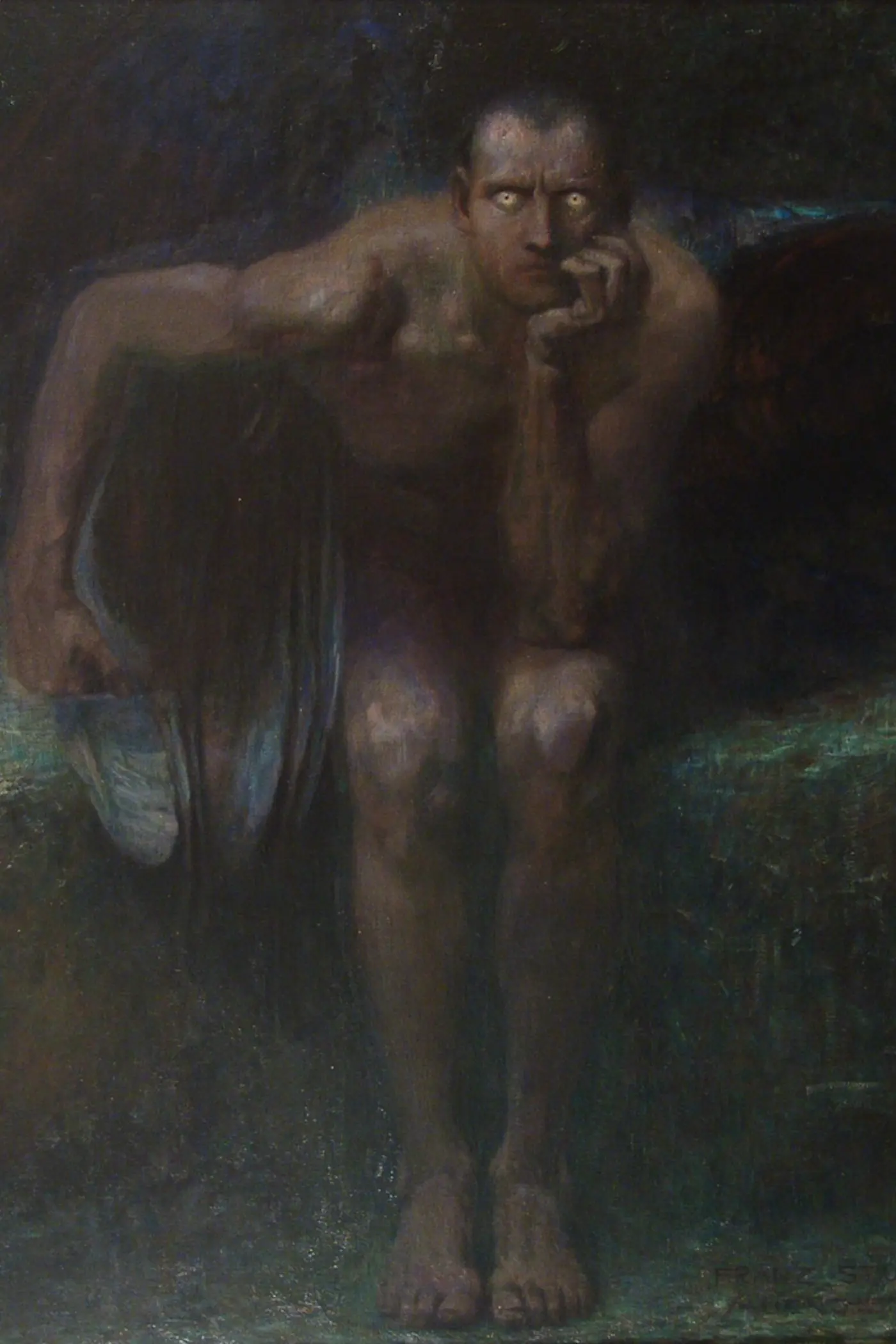
Explore by genre
Other authors you may enjoy

Why Philip James Bailey is still read today
Festus represents the most ambitious attempt in Victorian poetry to grapple with ultimate questions of existence, rivaling Goethe’s Faust in scope if not in sustained achievement. It documents the spiritual restlessness of an age struggling to reconcile faith with science and tradition with modernity.
Frequently Asked Questions
Who was Philip James Bailey?
Bailey was a Victorian poet whose vast philosophical poem Festus was one of the most widely read English poems of the 19th century. Read it free on TextStack.
What is Festus about?
A retelling of the Faust legend exploring love, death, immortality, and human purpose through conversations between the protagonist, God, Lucifer, and mortals.
How long is Festus?
Bailey expanded the poem from 8,000 lines in 1839 to over 40,000 in the 1889 edition, making it one of the longest poems in the English language.
Where can I read Festus?
You can read Festus for free on TextStack—the vast Victorian philosophical poem that captivated 19th-century readers.
Essential cookies keep you signed in and save your reading progress. Analytics cookies help us understand how the site is used. You can reject analytics — we still work without them. Learn more in our Privacy Policy.