Pierre-Joseph Proudhon
Biography
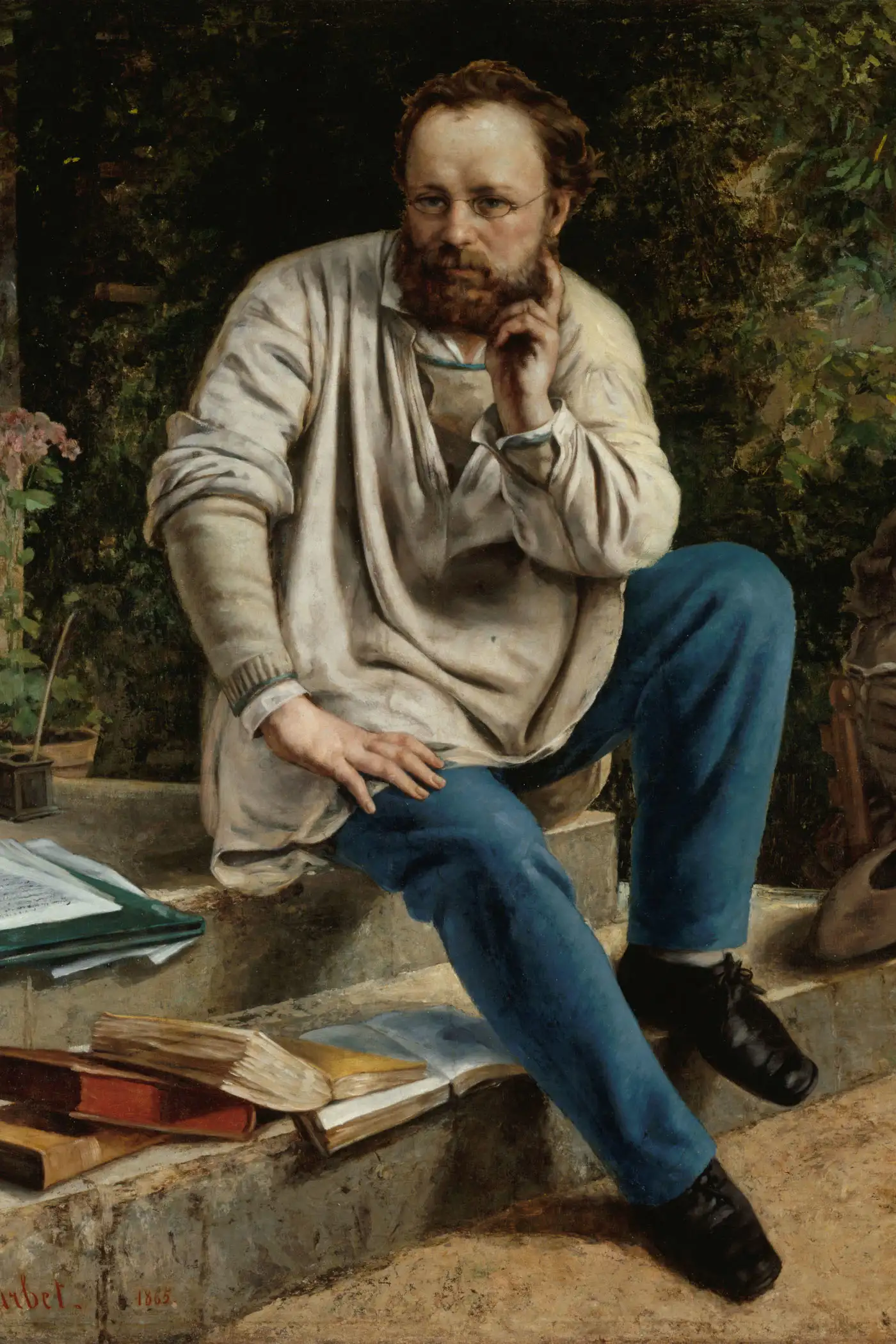
Pierre-Joseph Proudhon (1809–1865) was a French politician, philosopher, and economist who was the first person to call himself an "anarchist" and is regarded as one of the founders of anarchist thought. Born in Besançon to a working-class family, Proudhon was largely self-educated, working as a printer while studying philosophy and economics. His first major work, What Is Property? (1840), answered its own title question with the provocative declaration "Property is theft!"—an argument that private ownership of the means of production constitutes exploitation of labor. Proudhon advocated mutualism: a system of reciprocal exchange among independent producers and workers’ cooperatives, without either state control or capitalist exploitation. His thought influenced both the anarchist and socialist traditions, though he fiercely opposed Marx’s authoritarian socialism. Proudhon was elected to the French National Assembly in 1848, where he was the only member to vote against the new constitution. His prolific output includes The Philosophy of Poverty (1846), which provoked Marx’s angry response The Poverty of Philosophy, and numerous works on federalism, war, and social organization.
Common themes in Pierre-Joseph Proudhon's work
Anarchist Philosophy
A recurring theme throughout Pierre-Joseph Proudhon's writing.
Property and Exploitation
A recurring theme throughout Pierre-Joseph Proudhon's writing.
Mutualism
A recurring theme throughout Pierre-Joseph Proudhon's writing.
French Political Thought
A recurring theme throughout Pierre-Joseph Proudhon's writing.
Books
Explore by genre
Other authors you may enjoy
Why Pierre-Joseph Proudhon is still read today
Proudhon’s critique of both capitalism and state socialism remains relevant to contemporary movements for economic democracy, cooperativism, and decentralized governance. His ideas about mutualism and workers’ self-management anticipated modern discussions of cooperative economics and participatory democracy.
Frequently Asked Questions
Who was Pierre-Joseph Proudhon?
Proudhon was the first self-declared anarchist and a founder of anarchist thought, famous for declaring “Property is theft!” Read What Is Property? free on TextStack.
What does “Property is theft” mean?
Proudhon argued that private ownership of productive property allows owners to exploit workers’ labor, making property-based profit a form of theft from those who actually produce value.
What is mutualism?
Proudhon’s alternative to both capitalism and state socialism: a system of reciprocal exchange among independent producers and workers’ cooperatives, without exploitation or centralized control.
Where can I read Proudhon?
You can read What Is Property? for free on TextStack—the foundational text of anarchist philosophy.
Essential cookies keep you signed in and save your reading progress. Analytics cookies help us understand how the site is used. You can reject analytics — we still work without them. Learn more in our Privacy Policy.