René Descartes
Biography
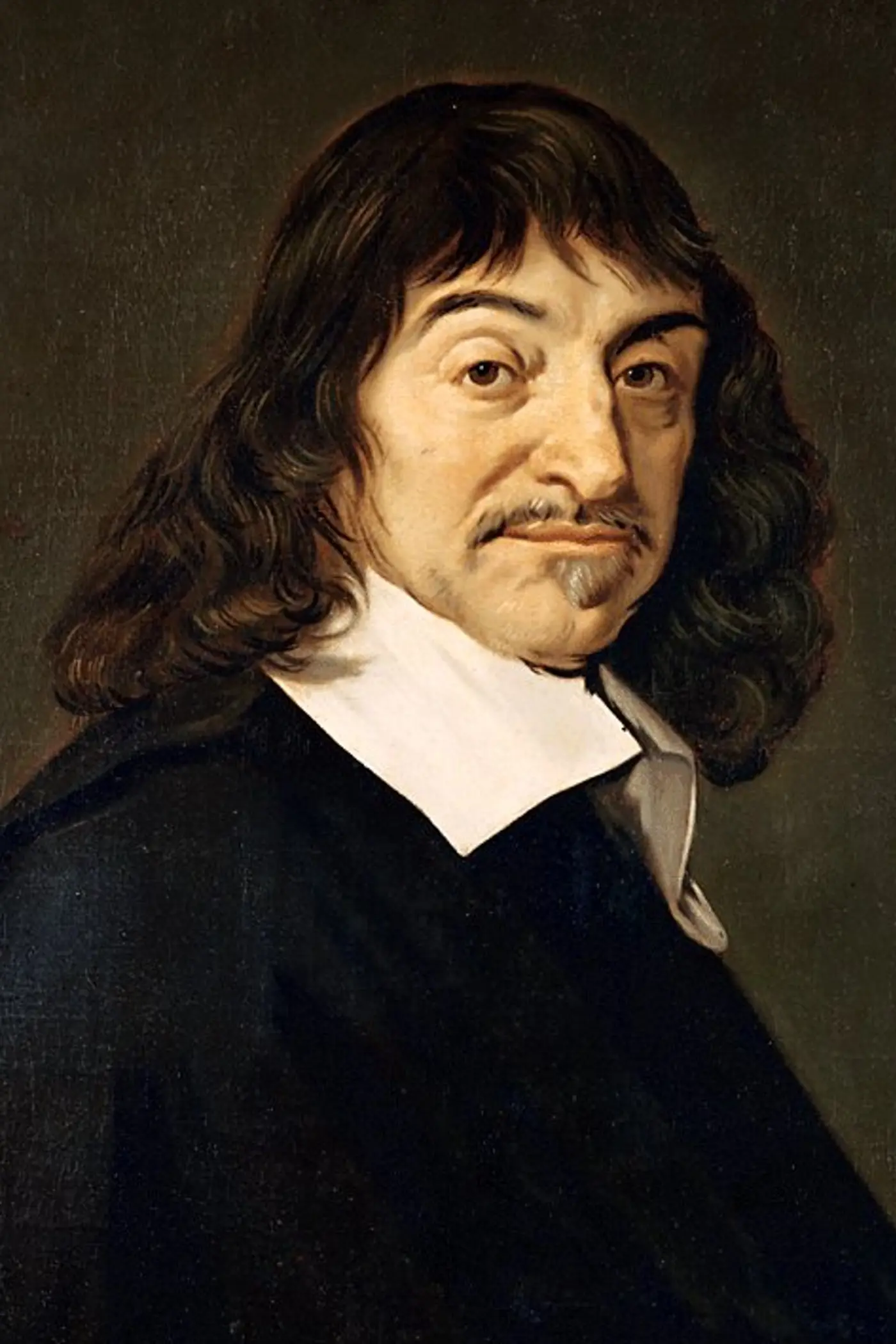
René Descartes (1596–1650) was a French philosopher, mathematician, and scientist who is widely regarded as the father of modern Western philosophy and a foundational figure in the development of modern mathematics. Born in La Haye en Touraine, France, Descartes was educated at the Jesuit Collège Royal Henry-Le-Grand before studying law at Poitiers. He then spent years traveling Europe as a gentleman soldier and observer before settling in the Dutch Republic, where he lived for most of his productive career. His Meditations on First Philosophy (1641) established the method of systematic doubt and the famous conclusion "Cogito, ergo sum" (I think, therefore I am) as the foundation of knowledge. In mathematics, he invented the Cartesian coordinate system, bridging algebra and geometry and making modern analytical geometry possible. His Discourse on the Method (1637) proposed a systematic approach to philosophical inquiry that profoundly influenced the scientific method. Other major works include Principles of Philosophy (1644) and The Passions of the Soul (1649). His dualistic philosophy—separating mind and body into distinct substances—has shaped Western thought for four centuries, even as it continues to be debated.
Common themes in René Descartes's work
Modern Philosophy
A recurring theme throughout René Descartes's writing.
Systematic Doubt
A recurring theme throughout René Descartes's writing.
Mind-Body Problem
A recurring theme throughout René Descartes's writing.
Cartesian Mathematics
A recurring theme throughout René Descartes's writing.
Books
Explore by genre
Other authors you may enjoy
Why René Descartes is still read today
Descartes’s method of systematic doubt and his mind-body problem remain at the center of philosophy, cognitive science, and artificial intelligence research. As debates about consciousness, AI sentience, and the relationship between mind and brain intensify, Descartes’s questions have never been more relevant.
Frequently Asked Questions
Who was René Descartes?
Descartes was the father of modern Western philosophy and inventor of the Cartesian coordinate system, whose “I think, therefore I am” is philosophy’s most famous statement. Read his works free on TextStack.
What does “Cogito, ergo sum” mean?
“I think, therefore I am”—Descartes’s conclusion that the very act of doubting proves the existence of the thinking self, the one thing that cannot be doubted.
What is Cartesian dualism?
Descartes argued that mind and body are fundamentally different substances—a position that shaped Western philosophy for four centuries and remains central to debates about consciousness.
Where can I read Descartes?
You can read Descartes’s Philosophical Works for free on TextStack—the foundational texts of modern Western philosophy.
Essential cookies keep you signed in and save your reading progress. Analytics cookies help us understand how the site is used. You can reject analytics — we still work without them. Learn more in our Privacy Policy.