Robert Frost
Biography
Robert Lee Frost (1874–1963) was an American poet who is widely regarded as one of the greatest poets of the 20th century. Born in San Francisco, Frost moved to New England at age eleven after his father’s death, and the landscapes and people of rural New England became the foundation of his poetry. After working as a teacher, farmer, and mill laborer, Frost moved to England in 1912, where he published his first two collections—A Boy’s Will (1913) and North of Boston (1914)—to critical acclaim. Returning to America, he became the most celebrated poet of his era, winning four Pulitzer Prizes for Poetry (1924, 1931, 1937, 1943) and reading at President Kennedy’s inauguration in 1961. Frost’s poetry is deceptively accessible: his conversational language and rural New England settings mask extraordinary formal skill and philosophical depth. Poems like "The Road Not Taken," "Stopping by Woods on a Snowy Evening," "Mending Wall," and "Birches" are among the most widely read and quoted in English. Beneath their pastoral surfaces, Frost’s poems explore isolation, mortality, the limits of knowledge, and the darkness at the edge of the familiar.
Common themes in Robert Frost's work
American Poetry
A recurring theme throughout Robert Frost's writing.
New England Landscape
A recurring theme throughout Robert Frost's writing.
Nature and Darkness
A recurring theme throughout Robert Frost's writing.
Formal Mastery
A recurring theme throughout Robert Frost's writing.
Books
Explore by genre
Other authors you may enjoy
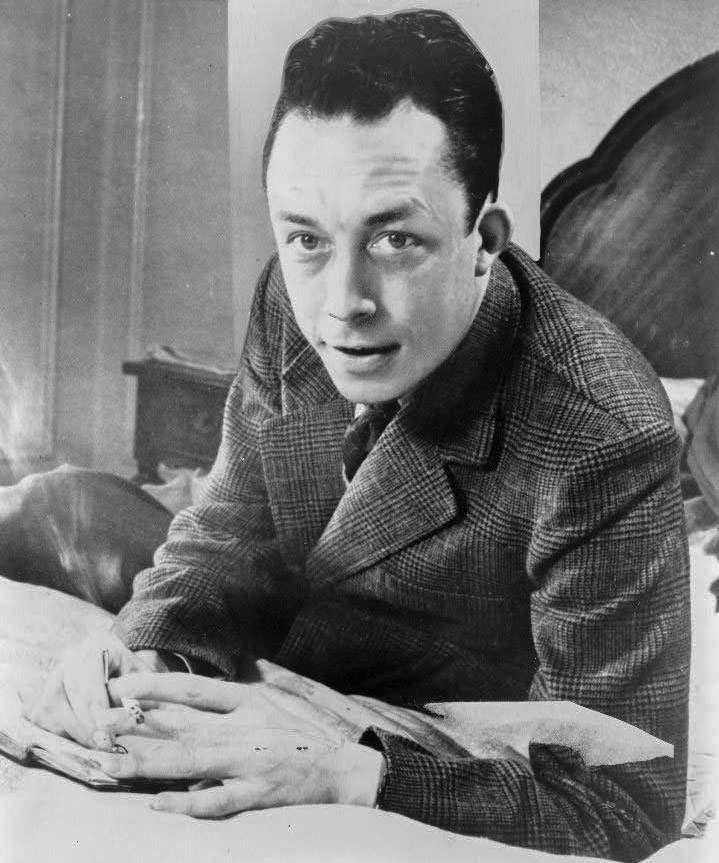
Why Robert Frost is still read today
Frost remains America’s most widely read and quoted poet, his work bridging popular accessibility and literary sophistication in a way no other poet has matched. His exploration of the tension between surface simplicity and underlying darkness continues to yield new meanings for each generation.
Frequently Asked Questions
Who was Robert Frost?
Frost was one of the greatest American poets, a four-time Pulitzer winner whose deceptively simple poems of rural New England explore profound philosophical depths. Read North of Boston free on TextStack.
What are Frost’s most famous poems?
“The Road Not Taken,” “Stopping by Woods on a Snowy Evening,” “Mending Wall,” “Birches,” and “Fire and Ice” are among the most widely known poems in English.
Why is Frost’s poetry considered deceptive?
His conversational language and rural settings seem simple, but beneath them lies extraordinary formal skill and dark philosophical complexity about isolation, mortality, and the limits of knowledge.
Where can I read Frost?
You can read North of Boston for free on TextStack—the collection that established Frost as a major American poet.
Essential cookies keep you signed in and save your reading progress. Analytics cookies help us understand how the site is used. You can reject analytics — we still work without them. Learn more in our Privacy Policy.