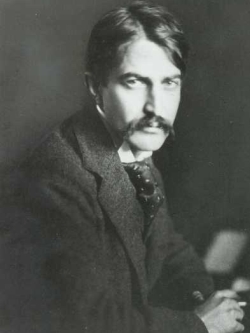
Stephen Crane
Biography
Stephen Crane (1871-1900) was an American novelist, short story writer, and poet who became a major figure in American literary naturalism despite dying at just twenty-eight. Born in Newark, New Jersey, the fourteenth child of a Methodist minister, he worked as a journalist in New York's slums before achieving literary fame. Crane's The Red Badge of Courage (1895) revolutionized war fiction with its psychological portrayal of a young soldier's fear and courage during the Civil War—remarkable given that Crane had never witnessed combat. His earlier novel Maggie: A Girl of the Streets (1893) depicted urban poverty with unflinching realism. After the success of The Red Badge, Crane worked as a war correspondent, covering conflicts in Greece and Cuba. His short stories, including "The Open Boat" and "The Blue Hotel," are masterpieces of the form. Though his life was brief and troubled by illness and scandal, Crane's innovative narrative techniques and psychological insight influenced Hemingway and modern war literature.
Common themes in Stephen Crane's work
War and its psychological reality
A recurring theme throughout Stephen Crane's writing.
Courage and cowardice
A recurring theme throughout Stephen Crane's writing.
Naturalism and determinism
A recurring theme throughout Stephen Crane's writing.
Youth and disillusionment
A recurring theme throughout Stephen Crane's writing.
Books
Explore by genre
Other authors you may enjoy
Why Stephen Crane is still read today
Stephen Crane achieved lasting fame with The Red Badge of Courage, one of the most influential war novels ever written, remarkable for its psychological realism despite Crane having never experienced combat. His naturalist style, emphasizing environmental determinism and unflinching observation, helped establish modern American literature. Crane's journalism, including his coverage of war and urban poverty, pioneered immersive reportage. His short stories, particularly "The Open Boat," are masterpieces of American realism. Despite dying at only 28, Crane produced a body of work that influenced Hemingway, Conrad, and countless war writers. His depiction of war's confusion and fear, rather than heroism, changed how writers approached combat. Contemporary war literature and journalism continue to build on techniques he pioneered.
Frequently Asked Questions
Did Stephen Crane fight in the Civil War?
No, Crane was born six years after the Civil War ended. He wrote The Red Badge of Courage (1895) based on research, Civil War accounts, and imaginative reconstruction. His psychological realism was so convincing that veterans praised its authenticity.
What makes The Red Badge of Courage important?
The novel revolutionized war writing by focusing on a soldier's inner psychological experience—fear, confusion, and the search for courage—rather than heroics or strategy. Its impressionistic style and honest treatment of fear influenced all subsequent war literature.
What is 'The Open Boat' about?
Based on Crane's real experience surviving a shipwreck, 'The Open Boat' (1897) follows four men in a small dinghy fighting to reach shore. It's considered a masterpiece of literary naturalism, exploring humanity's relationship with an indifferent universe.
How did Crane die so young?
Crane died of tuberculosis at age 28 in Germany, where he had gone seeking treatment. His short life included working as a journalist, covering wars in Greece and Cuba, and producing influential novels, stories, and poetry despite chronic illness and financial struggles.
What is naturalism in literature?
Naturalism, which Crane helped establish in America, applies scientific principles to fiction. Characters are shaped by heredity and environment; nature is indifferent to human suffering. Crane combined naturalist philosophy with psychological insight and poetic prose.
Essential cookies keep you signed in and save your reading progress. Analytics cookies help us understand how the site is used. You can reject analytics — we still work without them. Learn more in our Privacy Policy.