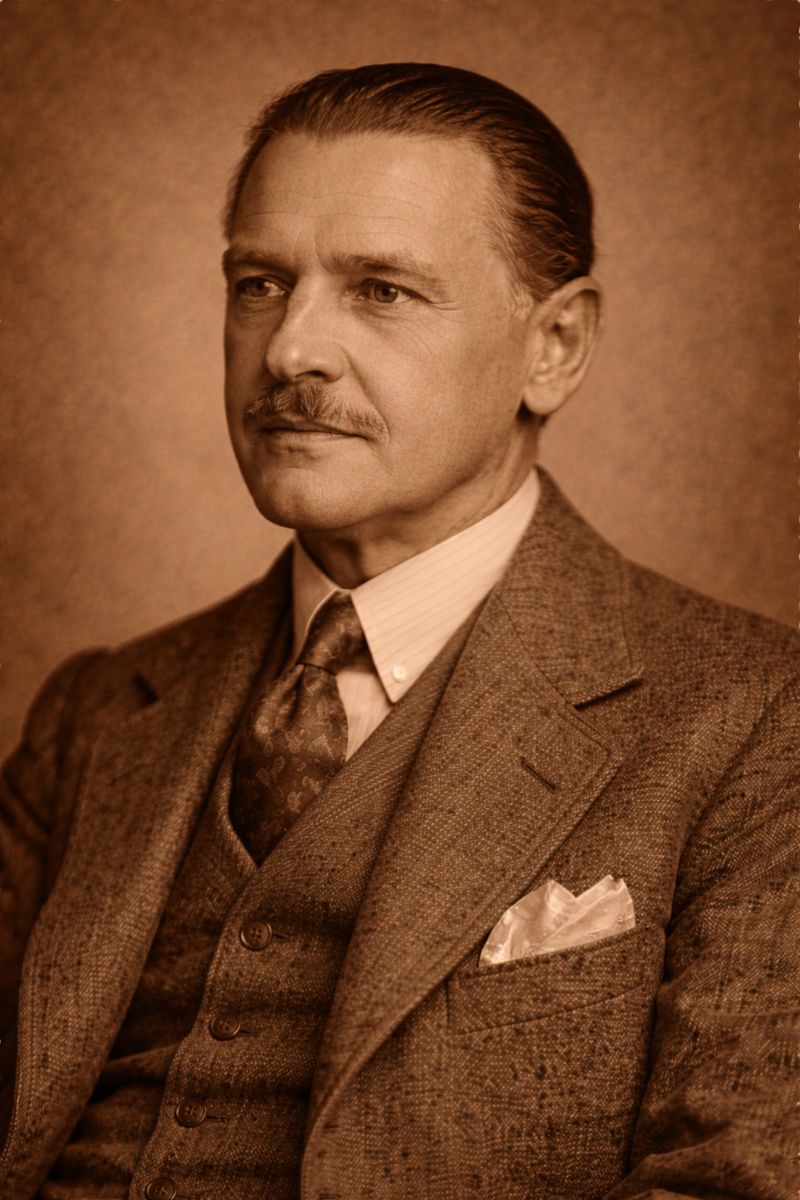
W. Somerset Maugham
Biography
W. Somerset Maugham was a British novelist, playwright, and short story writer whose work is known for its clarity, irony, and keen observation of human nature. Born in 1874, he trained as a physician before turning fully to literature, a background that informed his detached yet compassionate view of human behavior. Maugham’s writing explores themes of ambition, love, freedom, and disillusionment, often set against cosmopolitan or colonial backdrops. Novels such as The Moon and Sixpence and Of Human Bondage combine psychological insight with elegant, accessible prose, making his work both intellectually engaging and widely popular. One of the most commercially successful writers of the early twentieth century, Maugham balanced popular appeal with literary craftsmanship. His influence endures through his novels, plays, and short stories, which continue to be read for their sharp realism and enduring relevance.
Common themes in W. Somerset Maugham's work
Art and the artist's life
A recurring theme throughout W. Somerset Maugham's writing.
Colonial experience and expatriates
A recurring theme throughout W. Somerset Maugham's writing.
Passion vs. convention
A recurring theme throughout W. Somerset Maugham's writing.
Human nature and its failings
A recurring theme throughout W. Somerset Maugham's writing.
Books
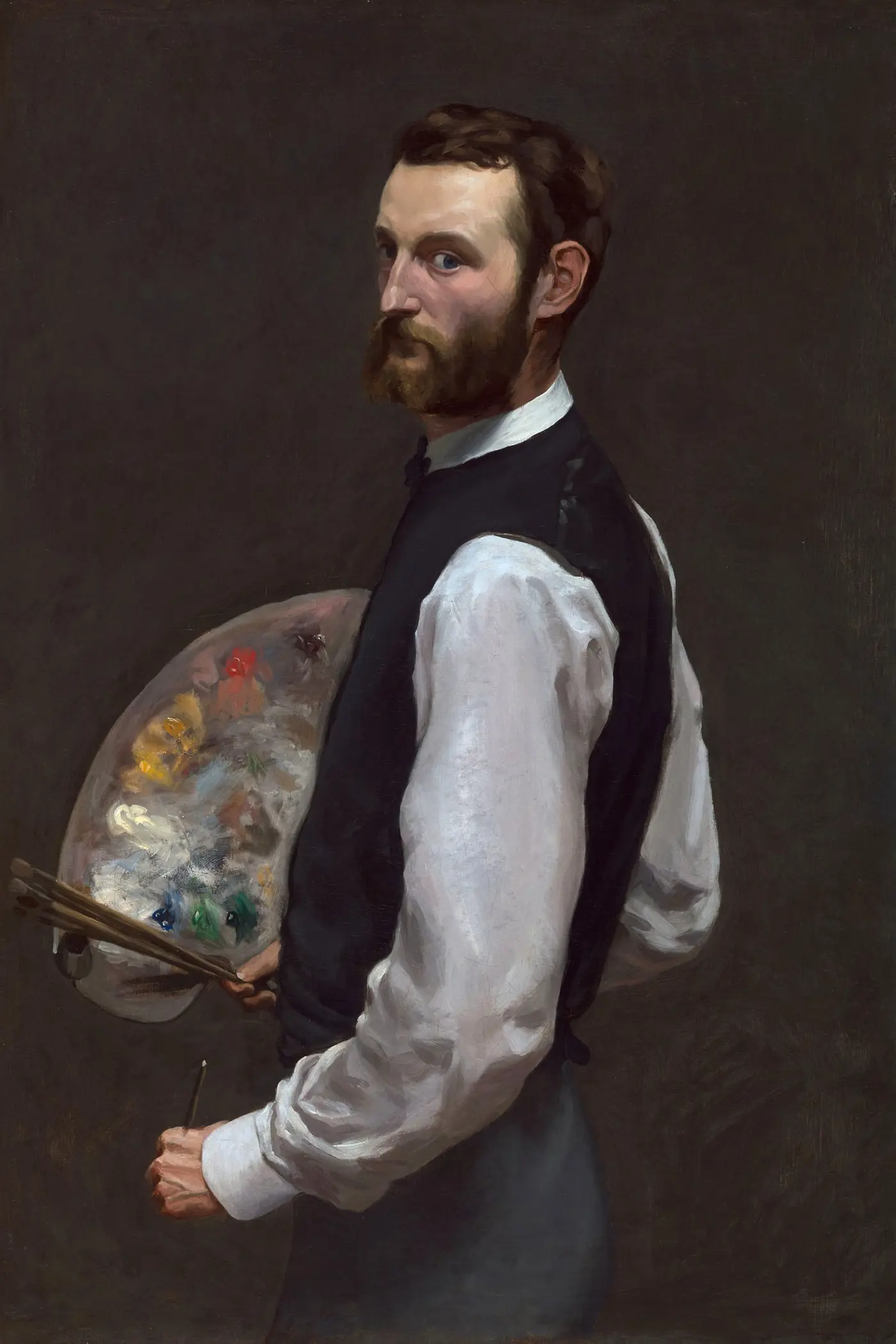
The Moon and Sixpence
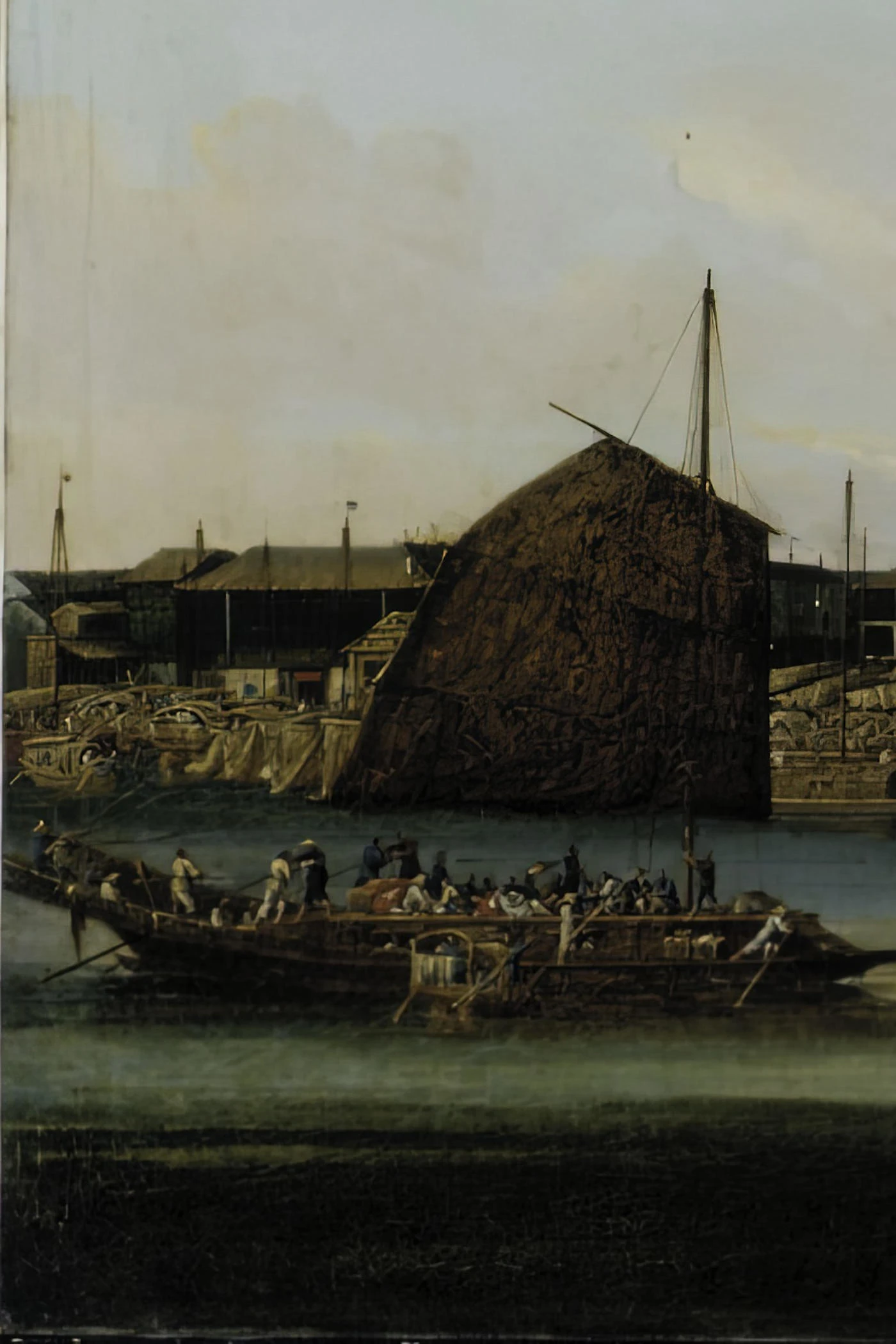
On a Chinese Screen
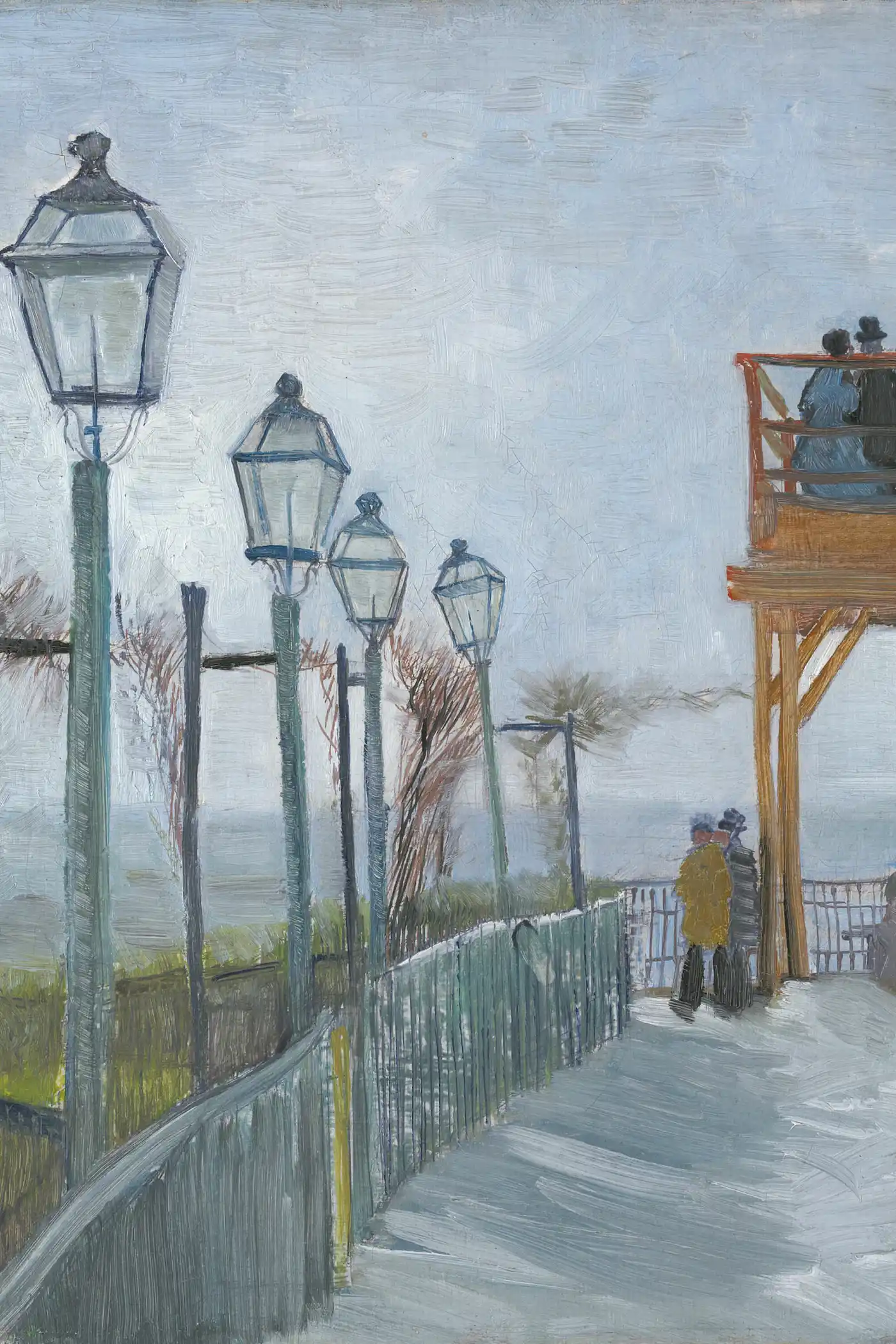
Ashenden
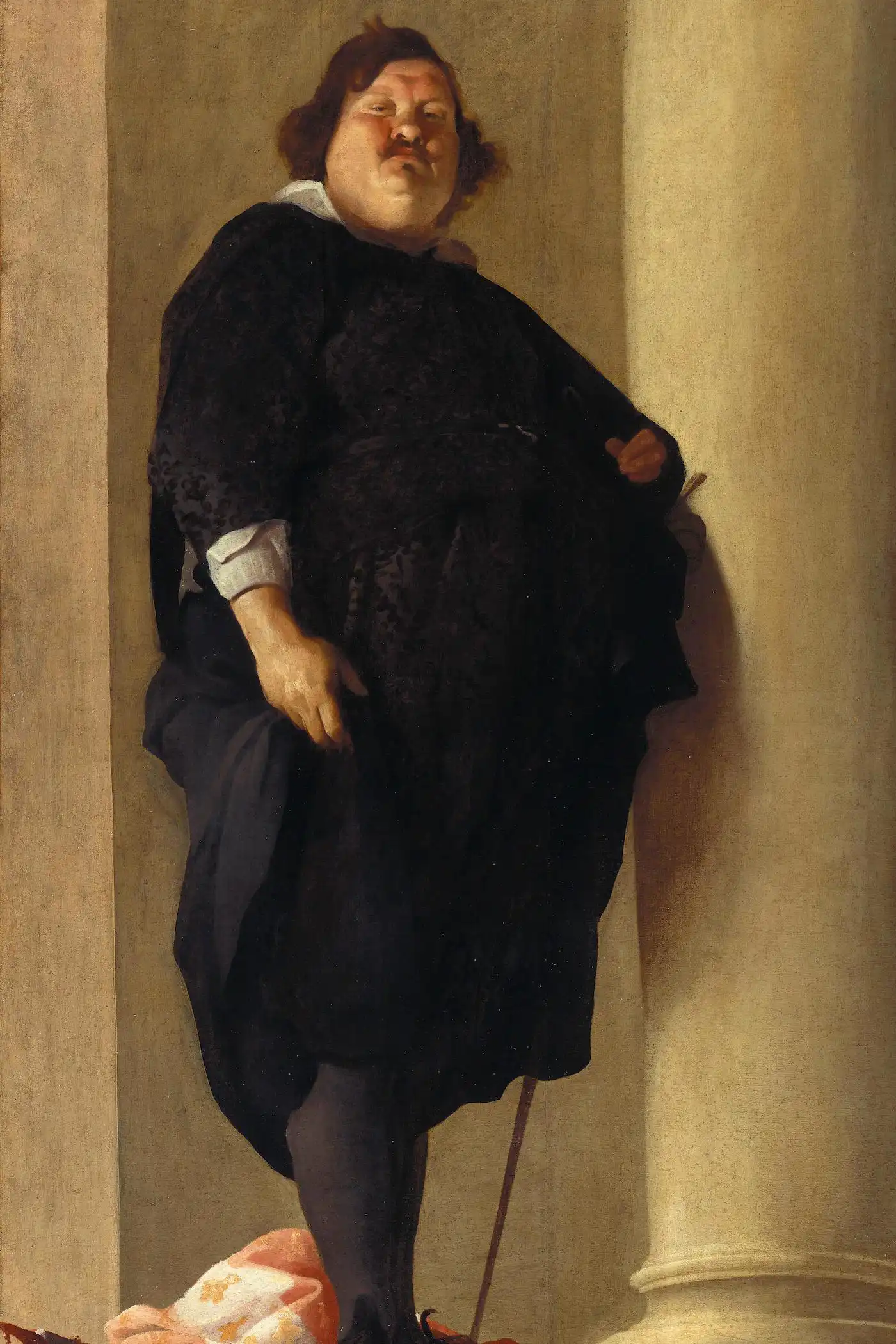
The Magician
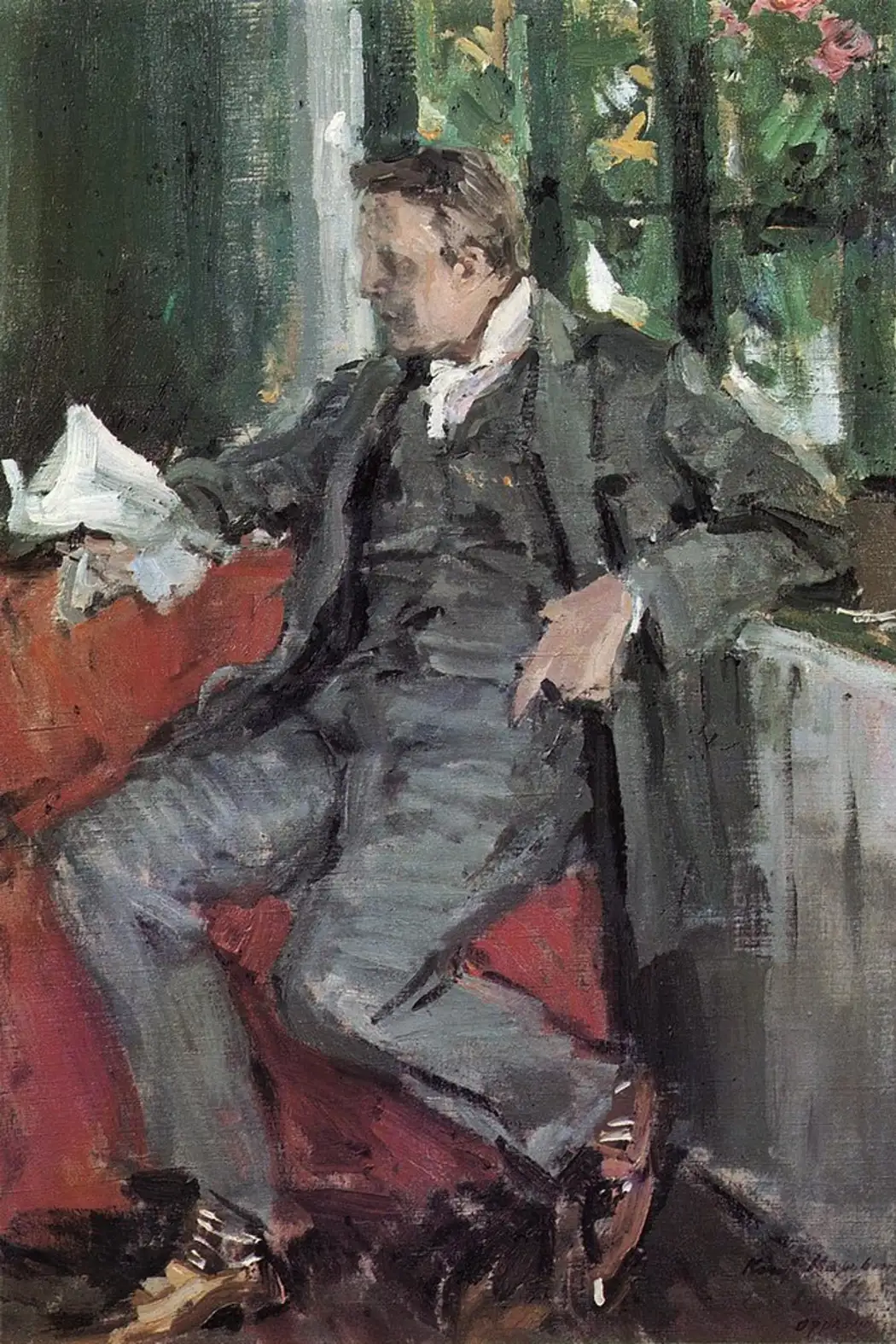
Of Human Bondage
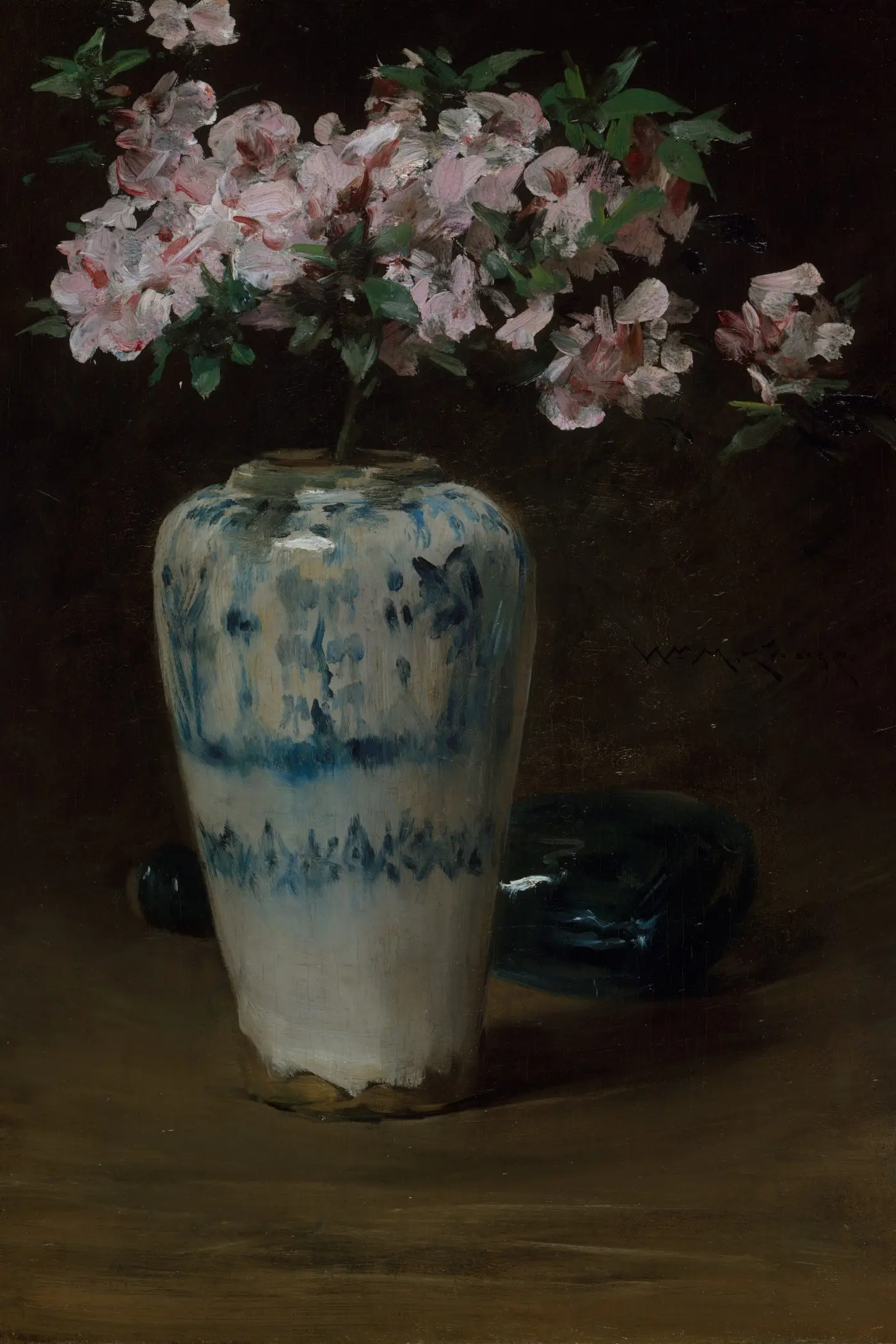
The Painted Veil
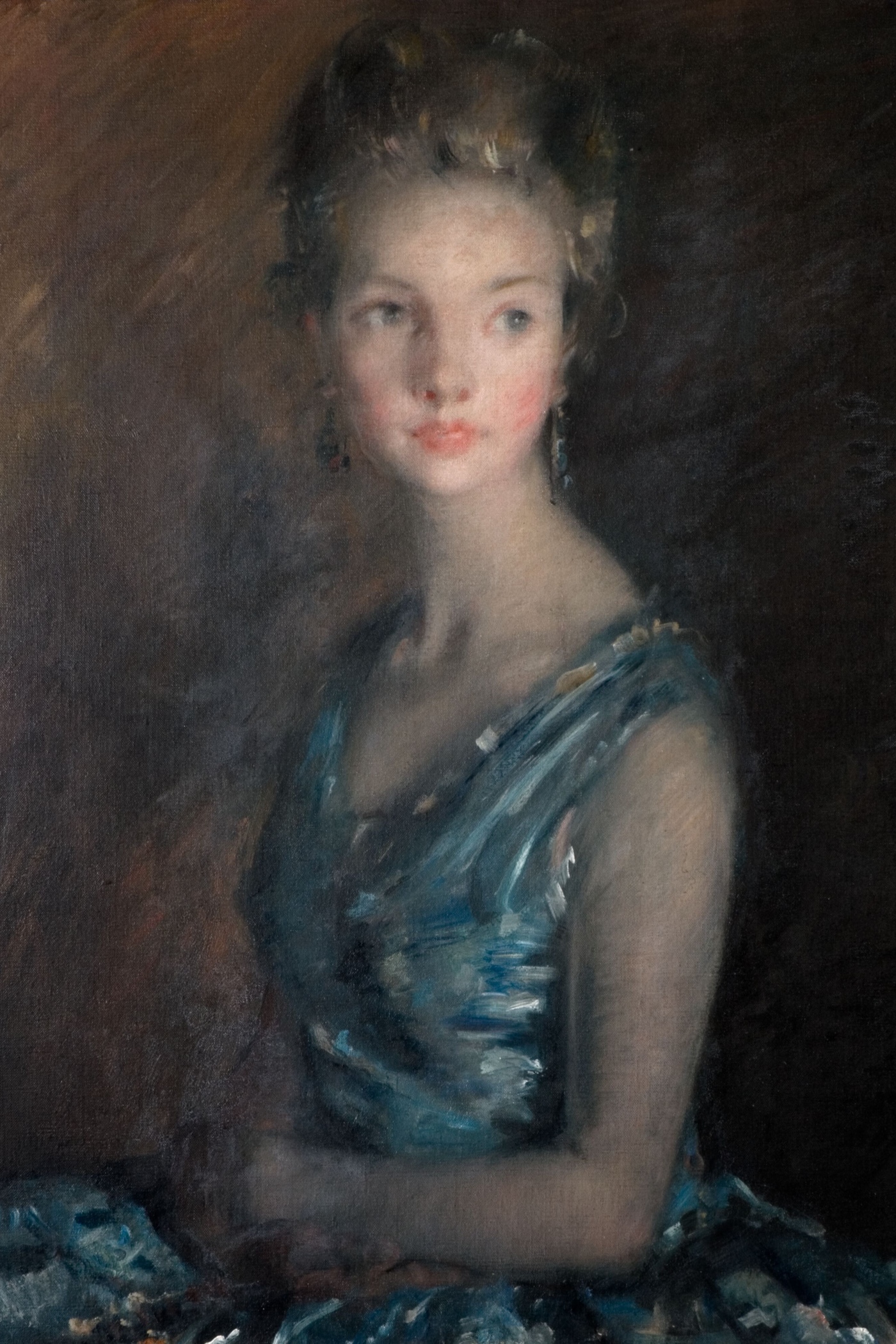
Cakes and Ale
Explore by genre
Other authors you may enjoy
Why W. Somerset Maugham is still read today
W. Somerset Maugham was among the most commercially successful writers of the 20th century, his plays, novels, and short stories reaching audiences worldwide. His clear, unfussy prose and gift for storytelling made him a master of popular fiction, while his cynical observation of human nature gave his work lasting depth. The Moon and Sixpence, inspired by Gauguin's life, and Of Human Bondage remain widely read. His short stories, particularly those set in British colonies, defined a genre of expatriate fiction. Maugham's influence extends to countless writers who learned from his craft and readability. His exploration of art, passion, and the conflict between conventional life and self-realization continues to engage readers seeking accessible yet thoughtful fiction.
Frequently Asked Questions
What is The Moon and Sixpence about?
Inspired by Paul Gauguin's life, the novel follows Charles Strickland, a conventional stockbroker who abandons his family to become a painter, eventually settling in Tahiti. It explores the conflict between bourgeois respectability and artistic compulsion.
Was Maugham a popular or literary writer?
Maugham was enormously popular—at one point four plays ran simultaneously in London—while also being respected for craft. He occupied a middle ground, more readable than modernist contemporaries but more serious than mere entertainment. He's sometimes called a 'writer's writer.'
What are Maugham's best short stories?
Maugham wrote over 100 short stories, many set in British Malaya and the Pacific. 'Rain' (about a missionary and a prostitute), 'The Letter,' and 'The Outstation' are among the most celebrated. His story collections remain in print worldwide.
What is Of Human Bondage about?
This semi-autobiographical novel follows Philip Carey, a club-footed orphan, through medical school, unhappy love affairs, and the search for meaning. It's considered Maugham's masterpiece, a Bildungsroman exploring passion, art, and coming to terms with life.
Why did Maugham write about the British colonies?
Maugham traveled extensively through Asia and the Pacific, gathering material. He found colonial outposts fertile ground for drama: isolated Europeans, cultural tensions, secrets, and moral compromise. His colonial stories influenced later writers like Graham Greene.
Essential cookies keep you signed in and save your reading progress. Analytics cookies help us understand how the site is used. You can reject analytics — we still work without them. Learn more in our Privacy Policy.