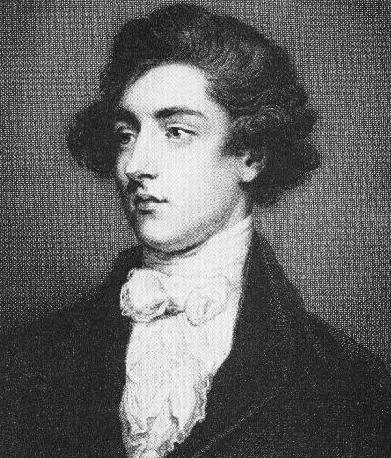
William Beckford
Biography
William Beckford (1760-1844) was an English novelist, art collector, and eccentric aristocrat best known for his Oriental Gothic novel Vathek (1786). Born into immense wealth—his father was twice Lord Mayor of London and owned Jamaican sugar plantations—he became one of the richest men in England and devoted his life to art, architecture, and literature. Vathek, written in French in a single inspired sitting (according to legend), tells of an Arabian caliph who sells his soul for supernatural knowledge. Its exotic setting, sardonic humor, and nightmarish imagery influenced Byron, Poe, Lovecraft, and the development of dark fantasy. The novel blends Gothic horror with Oriental tale traditions in a unique and influential way. Beckford is equally famous for building Fonthill Abbey, an enormous Gothic Revival mansion with a tower that collapsed twice. Scandal over his personal life led to social exile, and he spent much of his later life as a recluse. Though his literary output was small, Vathek secured his place in Gothic literature history.
Common themes in William Beckford's work
Oriental fantasy and exoticism
A recurring theme throughout William Beckford's writing.
The corruption of power
A recurring theme throughout William Beckford's writing.
Forbidden knowledge and damnation
A recurring theme throughout William Beckford's writing.
Satire and dark humor
A recurring theme throughout William Beckford's writing.
Books
Explore by genre
Other authors you may enjoy
Why William Beckford is still read today
William Beckford's Vathek stands as one of the most singular works in English literature—an Oriental tale written in French by one of England's wealthiest men, combining Eastern fantasy with dark irony. Its influence on Gothic literature and Orientalism extends from Byron to Borges. Beckford himself was equally remarkable: a collector, builder of the fantastical Fonthill Abbey, and scandalous figure whose rumored homosexuality led to social exile. Vathek's dream-like intensity, mordant humor, and hallucinatory conclusion anticipate later fantastic literature. Contemporary readers find in it a critique of power and desire that transcends its exotic trappings. The novel represents a unique moment in English literature, blending European decadence with Eastern narrative traditions.
Frequently Asked Questions
What is Vathek about?
Vathek follows an Arabian caliph who pursues forbidden knowledge and pleasure, guided by a demonic figure. His journey leads him to the underworld palace of Eblis (Satan), where he discovers the terrible fate of those who sought power. It blends Oriental tale with Gothic horror.
What makes Vathek unusual in English literature?
Beckford wrote Vathek in French in one sitting (reportedly), combining Arabian Nights fantasy with European Gothic and biting satire. Its ironic tone, exotic setting, and hallucinatory finale distinguish it from typical Gothic novels of its era.
Who was William Beckford?
Beckford was heir to an immense fortune from Jamaican sugar plantations. A collector, writer, and builder of the fantastical Fonthill Abbey, he lived in semi-exile after a homosexual scandal. His wealth and eccentricity made him one of England's most remarkable figures.
How did Vathek influence later literature?
Byron admired Vathek and drew on it for his Oriental tales. Poe, Lovecraft, and Borges all acknowledged its influence. It helped establish the Oriental tale as a vehicle for Western fantastic literature and influenced Gothic fiction's treatment of damnation.
What is Fonthill Abbey?
Beckford built this enormous Gothic Revival mansion with a 300-foot tower. It collapsed twice due to poor construction but represented one of the most ambitious architectural fantasies of its era. Its ruins symbolize the Romantic fascination with excess and decay.
Essential cookies keep you signed in and save your reading progress. Analytics cookies help us understand how the site is used. You can reject analytics — we still work without them. Learn more in our Privacy Policy.