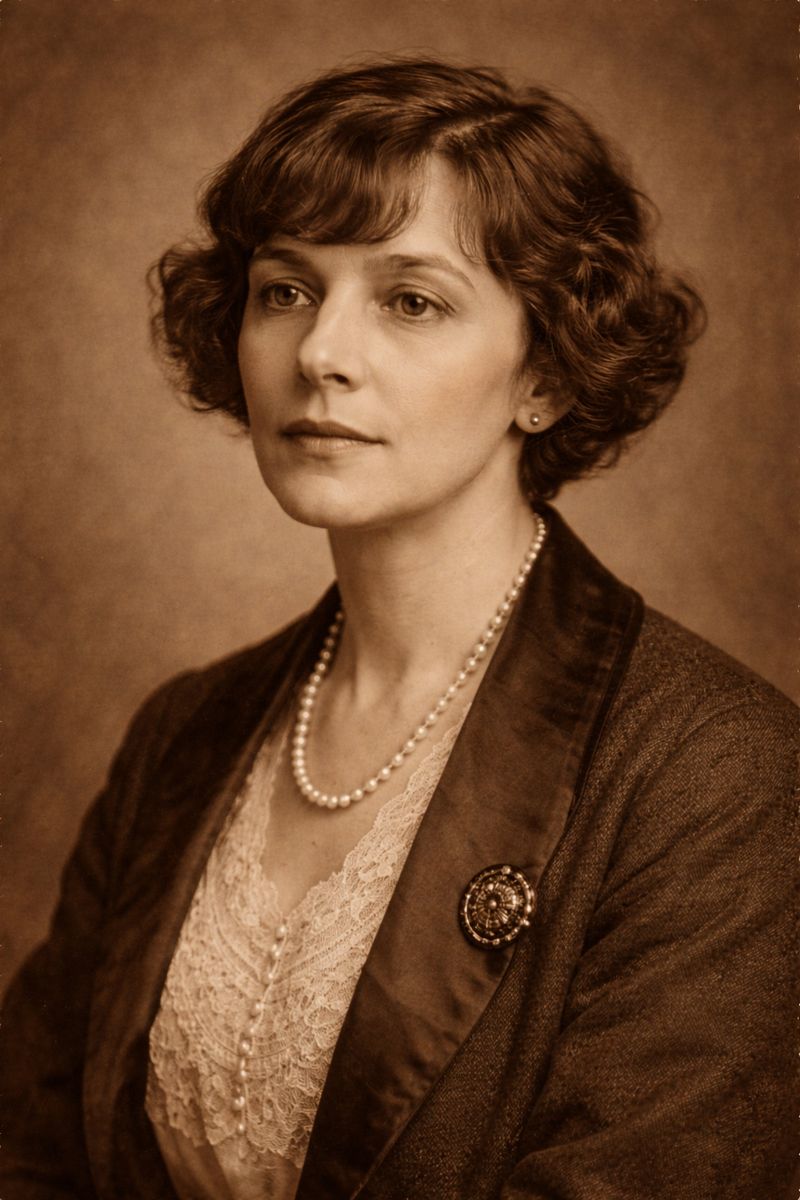
Zofia Nałkowska
Biography
Zofia Nałkowska was a Polish novelist, playwright, and essayist whose work explored identity, morality, and the social position of women in the early twentieth century. Born in 1884, she was a central figure of Polish modernism and an influential voice in literary and intellectual life between the two world wars. Her writing is marked by psychological realism, subtle social critique, and a deep concern with ethical responsibility. In novels such as Women and later works addressing the trauma of war and occupation, Nałkowska examined the inner lives of her characters against the pressures of social norms, power structures, and historical change. Beyond her literary career, Nałkowska played an active public role in postwar Poland, including work documenting Nazi crimes. Her legacy endures as one of Poland’s most important modern writers, admired for her moral clarity, emotional restraint, and lasting contribution to European literature.
Common themes in Zofia Nałkowska's work
Women's psychology and experience
A recurring theme throughout Zofia Nałkowska's writing.
Social criticism and Polish society
A recurring theme throughout Zofia Nałkowska's writing.
The nature of identity
A recurring theme throughout Zofia Nałkowska's writing.
Power and relationships
A recurring theme throughout Zofia Nałkowska's writing.
Books
Explore by genre
Other authors you may enjoy
Why Zofia Nałkowska is still read today
Zofia Nałkowska was one of the most important Polish writers of the 20th century, her psychological novels exploring women's experience with unprecedented depth. Her late work Medallions, documenting Nazi atrocities, stands as one of the most powerful pieces of Holocaust literature, its restrained prose achieving devastating effect. Throughout her career, Nałkowska examined women's place in society, the nature of identity, and the psychological complexities of human relationships. As a cultural figure, she mentored younger writers and played a significant role in Polish literary life for decades. Her work combining psychological insight with social criticism established models for Polish fiction that persist. Contemporary readers find in her work sophisticated exploration of gender, power, and the human capacity for cruelty.
Frequently Asked Questions
What is Medallions about?
Medallions (Medaliony, 1946) collects brief accounts of Nazi atrocities in Poland, based on Nałkowska's work with the Commission for the Investigation of Nazi Crimes. Its spare, restrained prose documents horrors without sentimentality, making it one of the most powerful Holocaust testimonies.
What makes Nałkowska significant to Polish literature?
Nałkowska was central to Polish literary modernism, her psychological novels exploring women's consciousness with unprecedented sophistication. Her salon hosted major Polish writers for decades. Her work spans from Young Poland through WWII, documenting Polish society and experience across turbulent decades.
What are Nałkowska's major novels?
Key works include Women (Kobiety, 1906), exploring women's constrained lives; Boundary (Granica, 1935), examining class and moral compromise; and Medallions, her testimony of Nazi crimes. Her novels combine psychological depth with social criticism.
How did Nałkowska engage with women's issues?
From her early feminist novels to her later work, Nałkowska explored women's psychology, limited choices, and relationships to power. She depicted women's internal lives with complexity unusual for her time, making her a significant figure in women's literary history.
What was Nałkowska's role after WWII?
After the war, Nałkowska worked on the war crimes commission, producing Medallions. She navigated the difficult cultural politics of communist Poland, remaining a respected figure. Her earlier modernist work complicated socialist realist expectations, but her stature ensured continued publication.
Essential cookies keep you signed in and save your reading progress. Analytics cookies help us understand how the site is used. You can reject analytics — we still work without them. Learn more in our Privacy Policy.