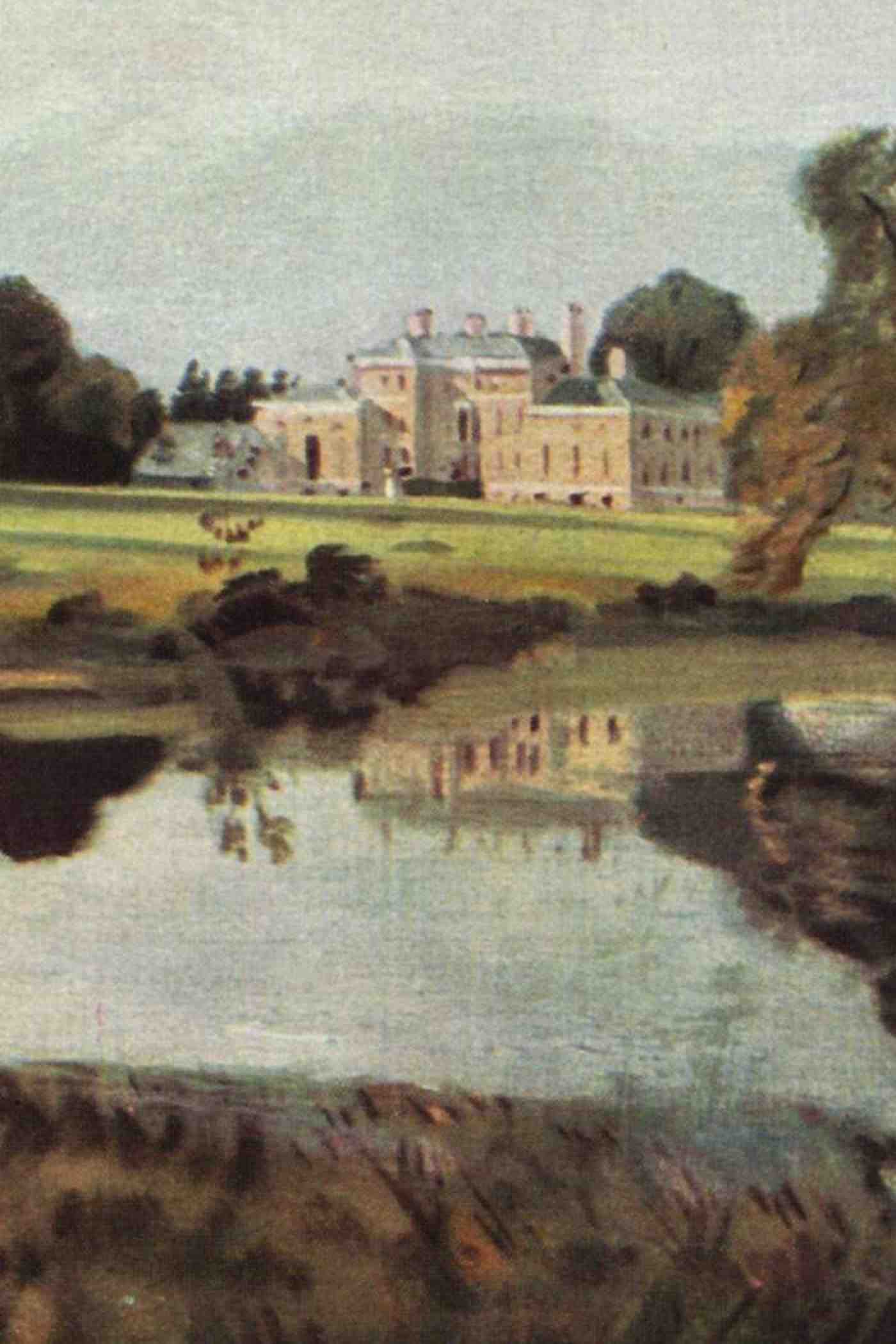
A Damsel in Distress
What is A Damsel in Distress about?
A Damsel in Distress (1919) is a sparkling romantic comedy by P. G. Wodehouse set in the grand surroundings of Belpher Castle. The story follows George Bevan, a young American composer working in London, who becomes entangled in the affairs of the aristocratic Marshmoreton family after a chance encounter with Lady Maud, the spirited daughter of the Earl of Marshmoreton. Lady Maud is being kept under virtual house arrest by her formidable aunt, Lady Caroline Byng, who disapproves of her romantic attachment to a man considered beneath her station. George arrives at the castle determined to win Maud's heart, only to find himself caught up in a web of mistaken identities, secret romances, and farcical misunderstandings. The novel showcases Wodehouse's gift for combining American energy with English eccentricity, and its country-house setting anticipates the Blandings Castle series. Originally serialized in The Saturday Evening Post, the book was adapted into a successful 1937 film starring Fred Astaire and George Burns. It remains one of Wodehouse's most delightful standalone comedies.
Main themes in A Damsel in Distress
Transatlantic romance
The presence of transatlantic romance in A Damsel in Distress connects readers to its enduring relevance.
English aristocracy
In A Damsel in Distress, english aristocracy provides a lens for understanding the story's core message.
Mistaken identity
In A Damsel in Distress, mistaken identity provides a lens for understanding the story's core message.
Country house comedy
In A Damsel in Distress, country house comedy provides a lens for understanding the story's core message.
Why A Damsel in Distress is still relevant today
A Damsel in Distress exemplifies Wodehouse's ability to blend transatlantic comedy with romantic farce. Its country-house setting and cast of eccentric aristocrats make it a perfect introduction to his world for readers unfamiliar with the Jeeves or Blandings series. The novel's enduring appeal lies in its lighthearted treatment of class barriers, its witty dialogue, and its celebration of love triumphing over snobbery. The 1937 Fred Astaire film adaptation brought the story to an even wider audience and cemented its place in popular culture.
More by this author
Frequently Asked Questions
What is A Damsel in Distress about?
It follows American composer George Bevan who falls for Lady Maud Marshmoreton and infiltrates her family's castle to win her heart, leading to comic misunderstandings and romantic entanglements.
Is A Damsel in Distress part of a series?
It is a standalone novel, though its English country-house setting and comedic style anticipate Wodehouse's later Blandings Castle series.
Was A Damsel in Distress adapted into a film?
Yes, it was adapted into a 1937 musical film starring Fred Astaire, George Burns, and Gracie Allen.
When was A Damsel in Distress published?
The novel was first serialized in The Saturday Evening Post in 1919 and published in book form the same year.