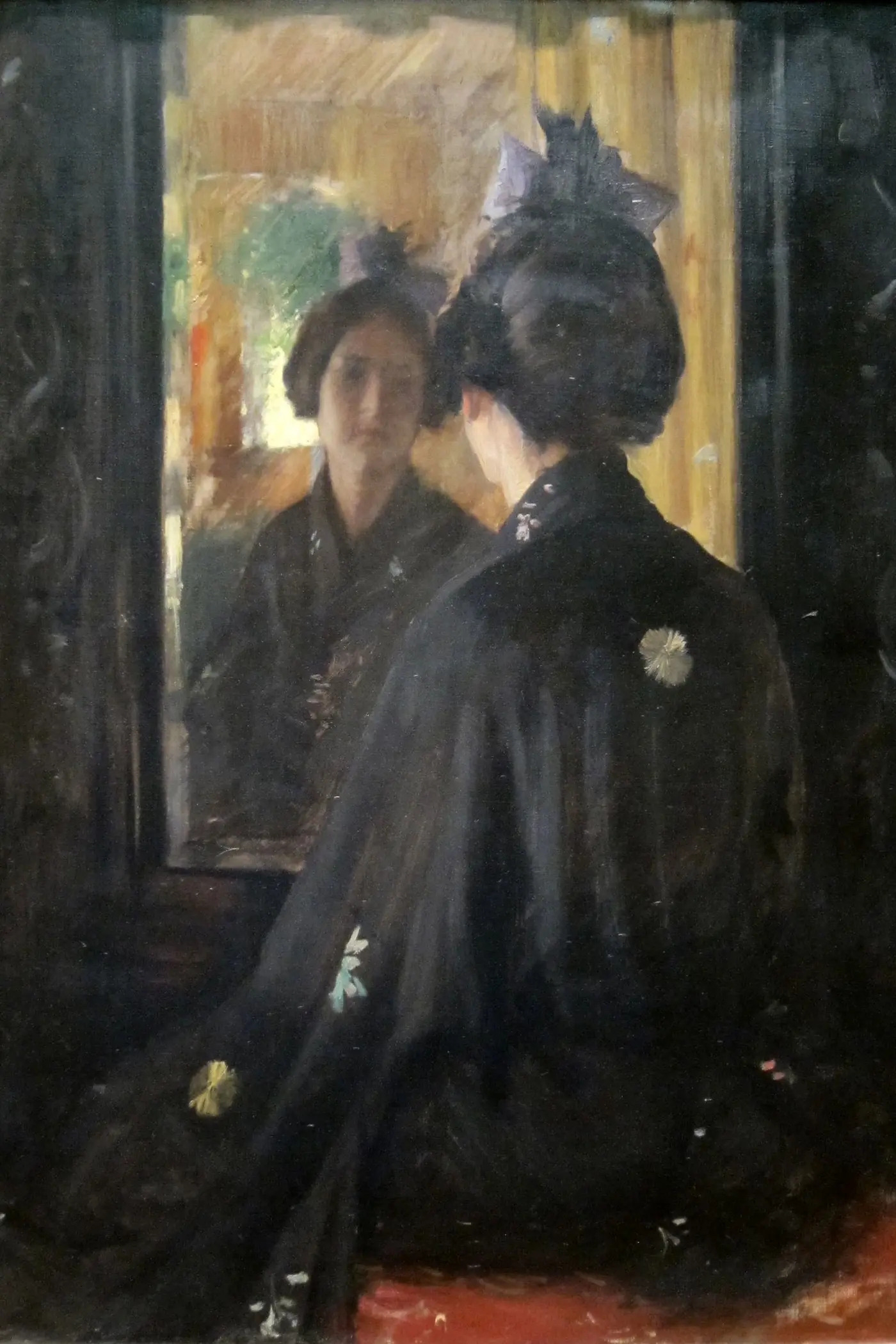
A Daughter of the Samurai
What is A Daughter of the Samurai about?
A Daughter of the Samurai (1925) is Baroness Etsu Inagaki Sugimoto's autobiography, offering an intimate portrait of growing up in a samurai family during the radical transformation of the Meiji Restoration. Sugimoto describes the customs, rituals, and values of samurai life—from childhood education in Confucian ethics to the elaborate protocols of a traditional household—while Japan was rapidly modernizing around her. She then recounts her marriage to a Japanese merchant in America and her experience navigating between two vastly different cultures. The memoir is a uniquely personal window into one of history's most dramatic periods of cultural change.
Main themes in A Daughter of the Samurai
Samurai Household
In A Daughter of the Samurai, samurai household provides a lens for understanding the story's core message.
Meiji Restoration
A Daughter of the Samurai thoughtfully explores meiji restoration through its central conflicts.
Japanese Culture
A Daughter of the Samurai thoughtfully explores japanese culture through its central conflicts.
Cross-Cultural Marriage
The theme of cross-cultural marriage weaves through A Daughter of the Samurai, adding depth to its narrative.
Why A Daughter of the Samurai is still relevant today
This memoir provides an irreplaceable personal perspective on the Meiji transformation, samurai culture, and the Japanese-American experience by a woman who lived it.
Frequently Asked Questions
What is A Daughter of the Samurai about?
Growing up in a samurai family during Japan's radical Meiji transformation, then navigating life between Japanese and American cultures.
Is this a true story?
Yes, it is Sugimoto's autobiography, drawn from her own experience in a samurai household and her life in America.
Where can I read A Daughter of the Samurai online?
You can read it free on TextStack.