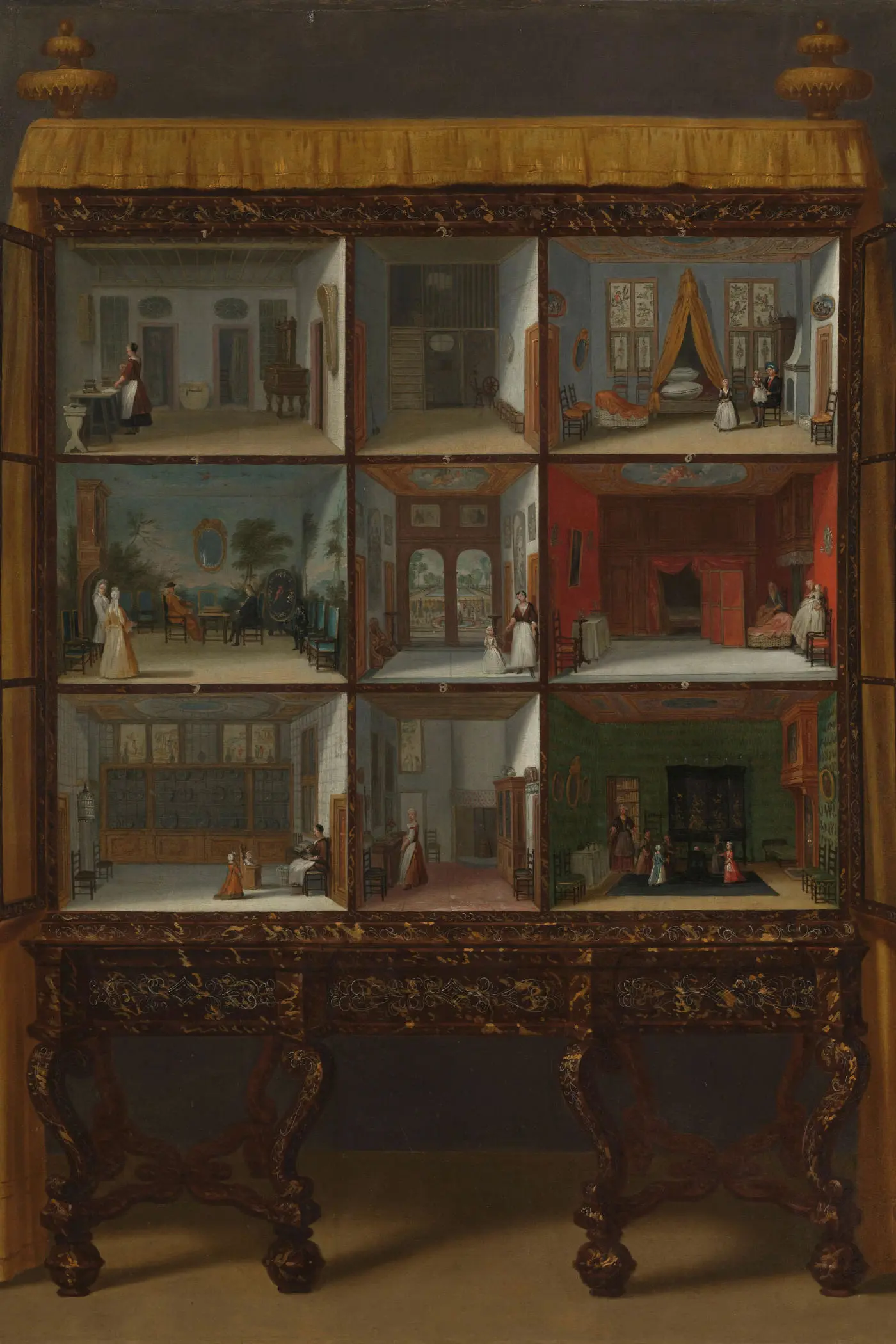
A Doll’s House
What is A Doll’s House about?
A Doll’s House (1879) is Henrik Ibsen’s most famous play, a landmark of modern drama. Nora Helmer appears to be the perfect wife in a comfortable bourgeois marriage, but she harbors a secret that reveals the power imbalance at the heart of her relationship. When her husband Torvald discovers the truth, his reaction forces Nora to confront the reality of her situation—and to make a decision that shocked nineteenth-century audiences and sparked debates about women’s rights that continue today.
Main themes in A Doll’s House
Women's rights
A Doll’s House thoughtfully explores women's rights through its central conflicts.
Marriage equality
The theme of marriage equality weaves through A Doll’s House, adding depth to its narrative.
Bourgeois hypocrisy
The presence of bourgeois hypocrisy in A Doll’s House connects readers to its enduring relevance.
Female emancipation
In A Doll’s House, female emancipation provides a lens for understanding the story's core message.
Why A Doll’s House is still relevant today
A Doll’s House is one of the most performed and studied plays in world literature, its feminist themes as powerful today as in 1879. Read it free online on TextStack.
More by this author

Frequently Asked Questions
What is A Doll’s House about?
A wife in a seemingly perfect marriage discovers the power imbalance in her relationship and makes a revolutionary decision to leave, in this landmark feminist drama.
Where can I read A Doll’s House online?
You can read A Doll’s House by Henrik Ibsen free online on TextStack.