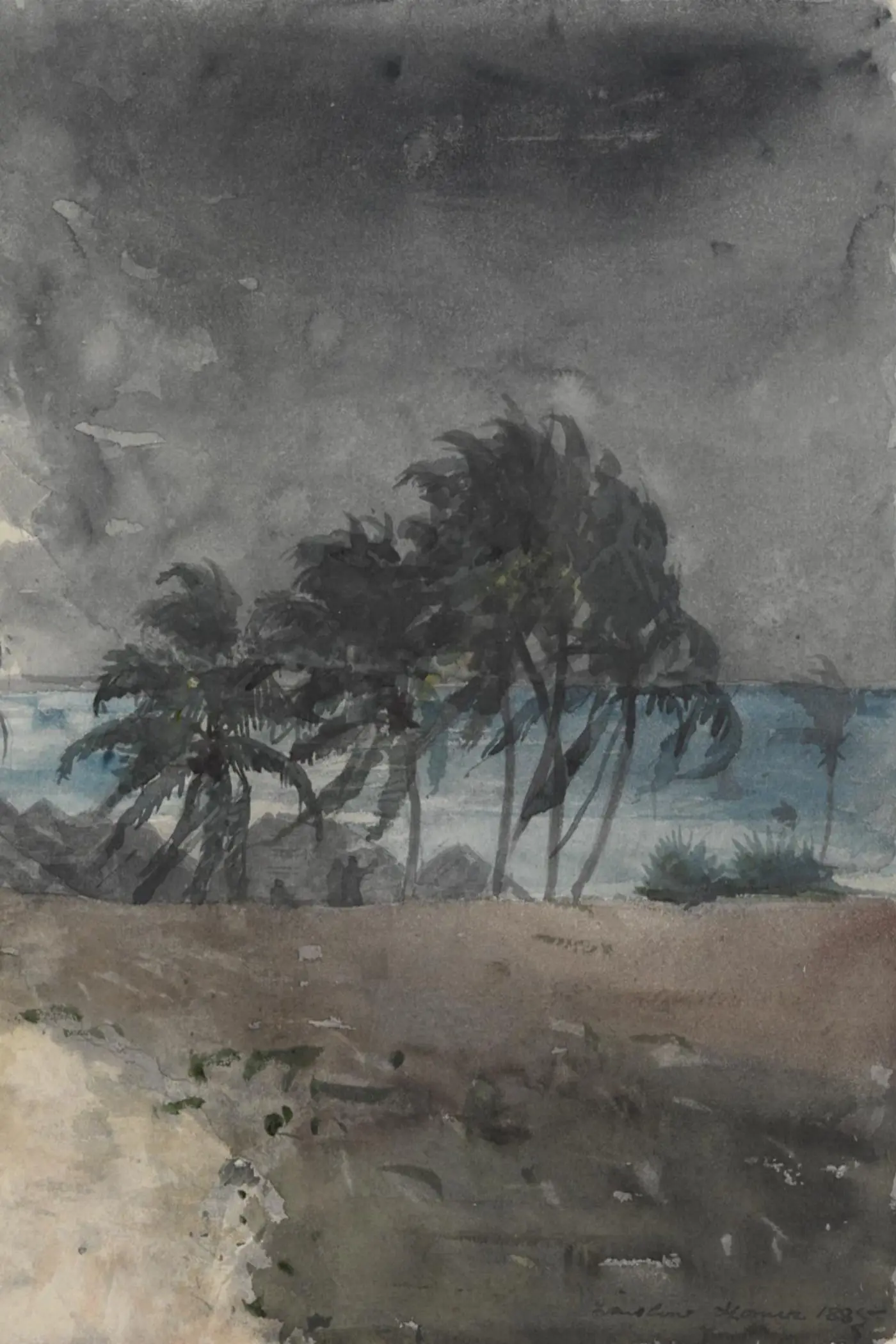
A High Wind in Jamaica
What is A High Wind in Jamaica about?
A High Wind in Jamaica (1929) is Richard Hughes’s masterpiece, a novel that shattered Victorian ideals of childhood innocence with its radical, unflinching portrait of children as amoral, unpredictable, and fundamentally alien to adult comprehension. After a hurricane destroys their Jamaican home, the Doyle children are sent to England by ship but are captured by pirates. What follows upends every expectation: the pirates are bumbling and mostly kind, while the children prove far more dangerous and disturbing than their captors. Young Emily, the central consciousness, navigates the experience with a child’s radical indifference to adult moral categories, and the novel’s most shocking events stem not from pirate cruelty but from the children’s casual capacity for violence and deceit. Hughes’s prose is precise and luminous, and his refusal to sentimentalize childhood makes the novel one of the most original in 20th-century English fiction.
Main themes in A High Wind in Jamaica
Childhood Amorality
The theme of childhood amorality weaves through A High Wind in Jamaica, adding depth to its narrative.
Pirates and Children
The theme of pirates and children weaves through A High Wind in Jamaica, adding depth to its narrative.
Shattered Innocence
The theme of shattered innocence weaves through A High Wind in Jamaica, adding depth to its narrative.
Psychological Realism
In A High Wind in Jamaica, psychological realism provides a lens for understanding the story's core message.
Why A High Wind in Jamaica is still relevant today
A High Wind in Jamaica’s portrait of childhood consciousness—amoral, strange, and alien to adult understanding—remains one of literature’s most provocative challenges to sentimental ideas about children and innocence.
Frequently Asked Questions
What is A High Wind in Jamaica about?
English children captured by pirates prove more disturbing than their captors, in a novel that radically challenges ideas about childhood innocence. Read it free on TextStack.
Is this a children’s book?
Absolutely not. Despite featuring child protagonists, the novel’s unflinching psychological realism and disturbing events make it a book for adult readers.
How does this compare to Lord of the Flies?
Published 25 years before Golding’s novel, it anticipated Lord of the Flies’ theme of childhood amorality but is more psychologically subtle and less allegorical.
Is A High Wind in Jamaica difficult to read?
The prose is precise and beautiful, and the narrative is gripping. The challenge lies in accepting Hughes’s radical vision of childhood rather than in the writing itself.