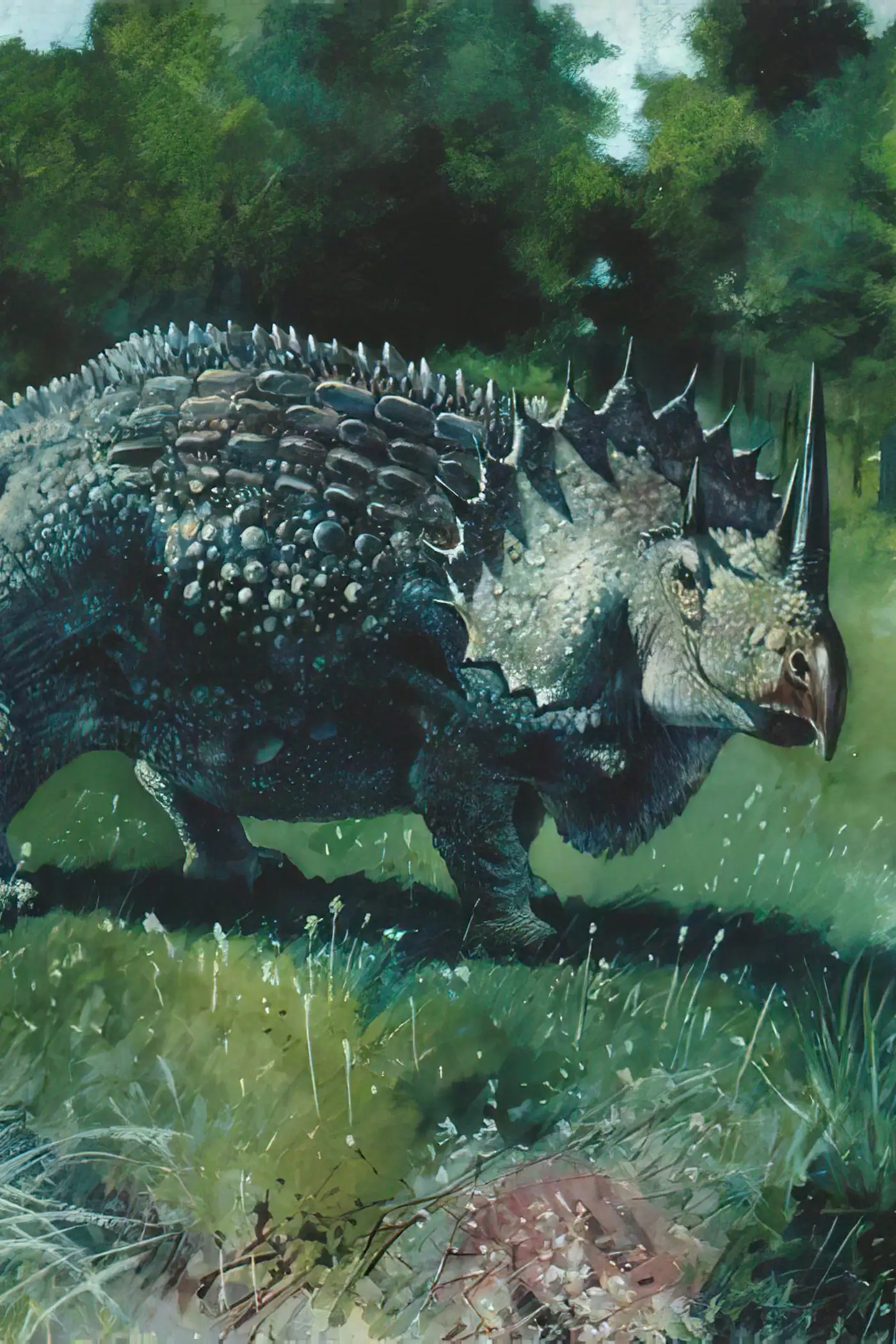
A Strange Manuscript Found in a Copper Cylinder
What is A Strange Manuscript Found in a Copper Cylinder about?
A Strange Manuscript Found in a Copper Cylinder (1888) is James De Mille’s extraordinary posthumous novel, a lost-world adventure and utopian satire that anticipates themes of later science fiction. The story is framed as a manuscript discovered floating in the ocean, recounting the adventures of Adam More, a sailor who finds himself in a strange land near the South Pole inhabited by a civilization called the Kosekin. The Kosekin’s values are the exact inverse of Western society—they prize poverty over wealth, darkness over light, and death over life. What begins as a thrilling adventure narrative becomes an increasingly sophisticated satire on Western assumptions about progress, value, and civilization. De Mille interweaves the manuscript narrative with the commentary of the men who found it, creating a multi-layered text that questions the reliability of all cultural narratives. The novel combines elements of the Swiftian satire, Vernean adventure, and utopian fiction into a uniquely Canadian contribution to speculative literature.
Main themes in A Strange Manuscript Found in a Copper Cylinder
Lost world adventure
Lost world adventure emerges as a defining element in A Strange Manuscript Found in a Copper Cylinder, shaping character development.
Utopian satire
The presence of utopian satire in A Strange Manuscript Found in a Copper Cylinder connects readers to its enduring relevance.
Inverted civilization
The presence of inverted civilization in A Strange Manuscript Found in a Copper Cylinder connects readers to its enduring relevance.
South Pole exploration
A Strange Manuscript Found in a Copper Cylinder thoughtfully explores south pole exploration through its central conflicts.
Why A Strange Manuscript Found in a Copper Cylinder is still relevant today
A Strange Manuscript is a pioneering lost-world novel whose satirical inversion of Western values anticipates science fiction’s best social criticism. Its combination of adventure, philosophy, and humor makes it a rewarding discovery for fans of speculative fiction and utopian literature.
Frequently Asked Questions
What is A Strange Manuscript about?
A sailor discovers a civilization near the South Pole whose values are the inverse of Western society—prizing poverty, darkness, and death—in a satirical adventure that questions cultural assumptions.
Is this science fiction?
It combines lost-world adventure, utopian satire, and speculative elements, making it a precursor to science fiction that anticipated the genre’s engagement with alternative civilizations.
Can I read it online for free?
Yes, read the complete text for free on TextStack with a comfortable reading experience.