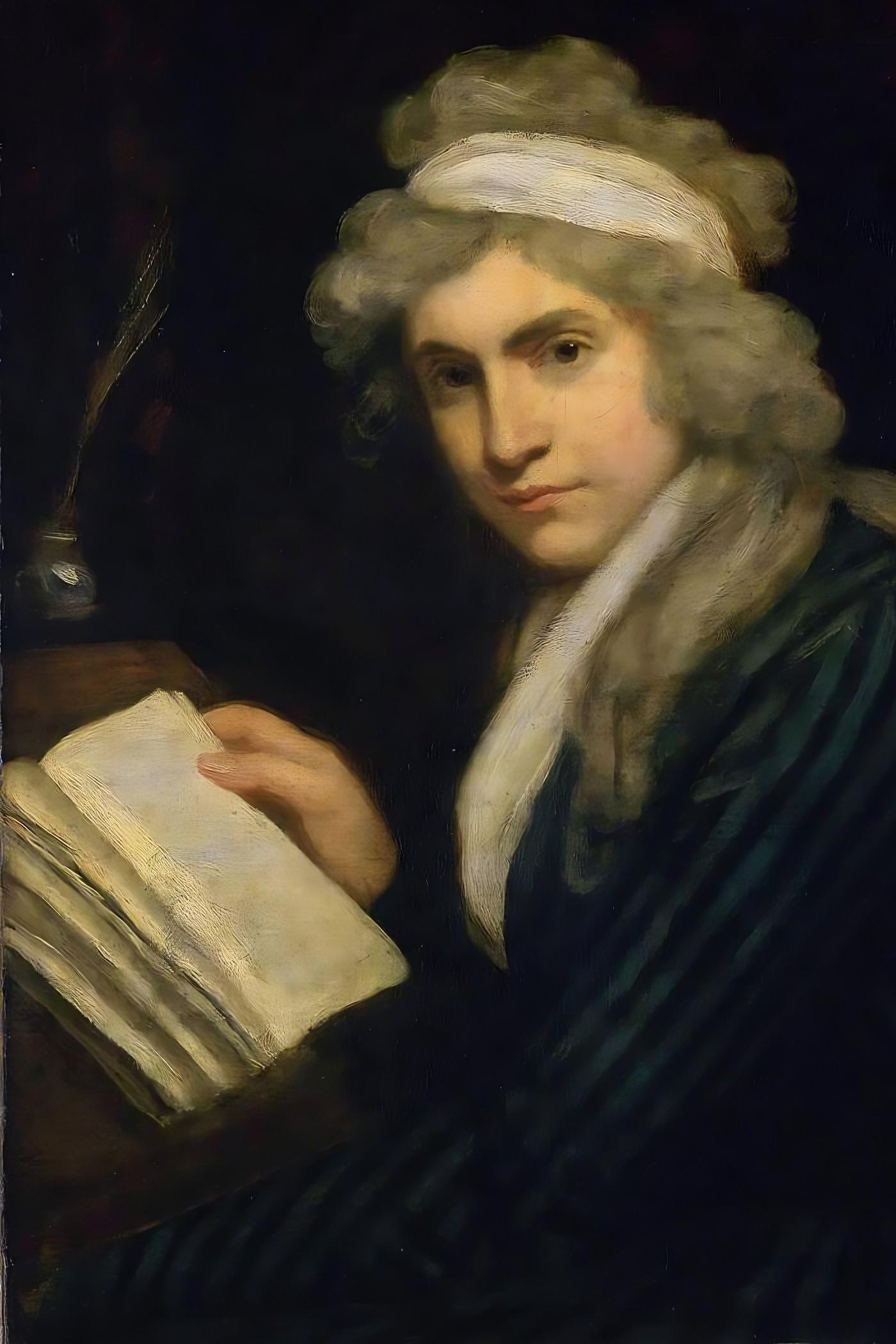
A Vindication of the Rights of Woman
What is A Vindication of the Rights of Woman about?
A Vindication of the Rights of Woman (1792) is Mary Wollstonecraft’s landmark work of feminist philosophy, arguing that women are not naturally inferior to men but appear so only because they are denied equal education. Writing in response to the French Revolution’s promises of liberty and equality, Wollstonecraft argues that these rights must extend to women. She critiques the way women are educated only to please men, advocates for rational education, professional opportunities, and political participation, and insists that women’s apparent weakness is the product of social conditioning, not nature. It is one of the most important texts in the history of feminism.
Main themes in A Vindication of the Rights of Woman
Feminist philosophy
A Vindication of the Rights of Woman thoughtfully explores feminist philosophy through its central conflicts.
Women's education
In A Vindication of the Rights of Woman, women's education provides a lens for understanding the story's core message.
Gender equality
The presence of gender equality in A Vindication of the Rights of Woman connects readers to its enduring relevance.
Enlightenment
The presence of enlightenment in A Vindication of the Rights of Woman connects readers to its enduring relevance.
Why A Vindication of the Rights of Woman is still relevant today
A Vindication of the Rights of Woman is one of the founding documents of feminism. Its arguments for women’s education, equality, and independence remain powerful and relevant.
More by this author
Frequently Asked Questions
What is A Vindication of the Rights of Woman about?
Wollstonecraft argues that women’s apparent inferiority is caused by lack of education, not nature, and demands equal educational and political rights.
When was it written?
Published in 1792, during the French Revolution, it applied Enlightenment ideals of liberty and equality to women’s rights.
Why is it still important?
It is a founding document of feminist thought, and its arguments about education, equality, and social conditioning remain relevant.
Can I read it free?
Yes, the complete text is available free on TextStack.