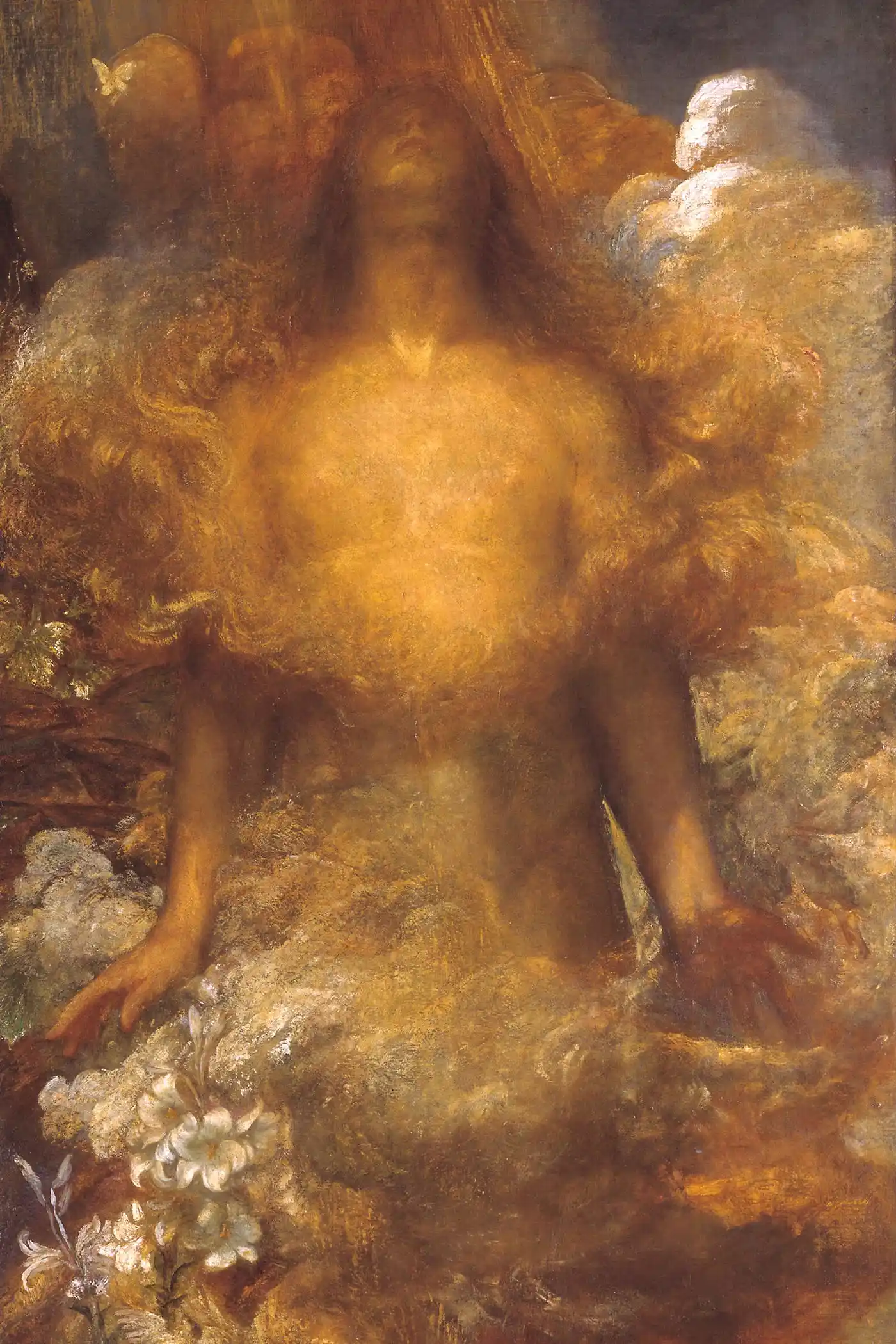
A Voyage to Arcturus
What is A Voyage to Arcturus about?
A Voyage to Arcturus (1920) is David Lindsay's visionary philosophical novel, one of the most extraordinary and unclassifiable works in English literature. Maskull, a restless adventurer, travels to the planet Tormance orbiting the star Arcturus, where he encounters a series of alien landscapes, each governed by different physical and moral laws. As Maskull journeys through this world, he undergoes radical transformations of body and consciousness, each encounter challenging his understanding of reality, morality, and the nature of existence. The novel is simultaneously a science fiction adventure, a philosophical allegory, and a mystical quest of staggering originality.
Main themes in A Voyage to Arcturus
Philosophical Journey
A Voyage to Arcturus thoughtfully explores philosophical journey through its central conflicts.
Alien World
The theme of alien world weaves through A Voyage to Arcturus, adding depth to its narrative.
Metaphysical Quest
A Voyage to Arcturus thoughtfully explores metaphysical quest through its central conflicts.
Transformation
The presence of transformation in A Voyage to Arcturus connects readers to its enduring relevance.
Why A Voyage to Arcturus is still relevant today
A Voyage to Arcturus is one of the most original novels ever written, combining science fiction with deep philosophical inquiry. It influenced C.S. Lewis's Space Trilogy and continues to inspire readers who encounter it.
Frequently Asked Questions
What is A Voyage to Arcturus about?
Maskull travels to the planet Tormance and undergoes radical transformations of body and consciousness, encountering alien landscapes that challenge all assumptions about reality.
Is A Voyage to Arcturus science fiction?
It uses science fiction as a vehicle for philosophical and mystical exploration—it is more philosophical allegory than conventional SF.
Where can I read A Voyage to Arcturus online?
You can read it free on TextStack.