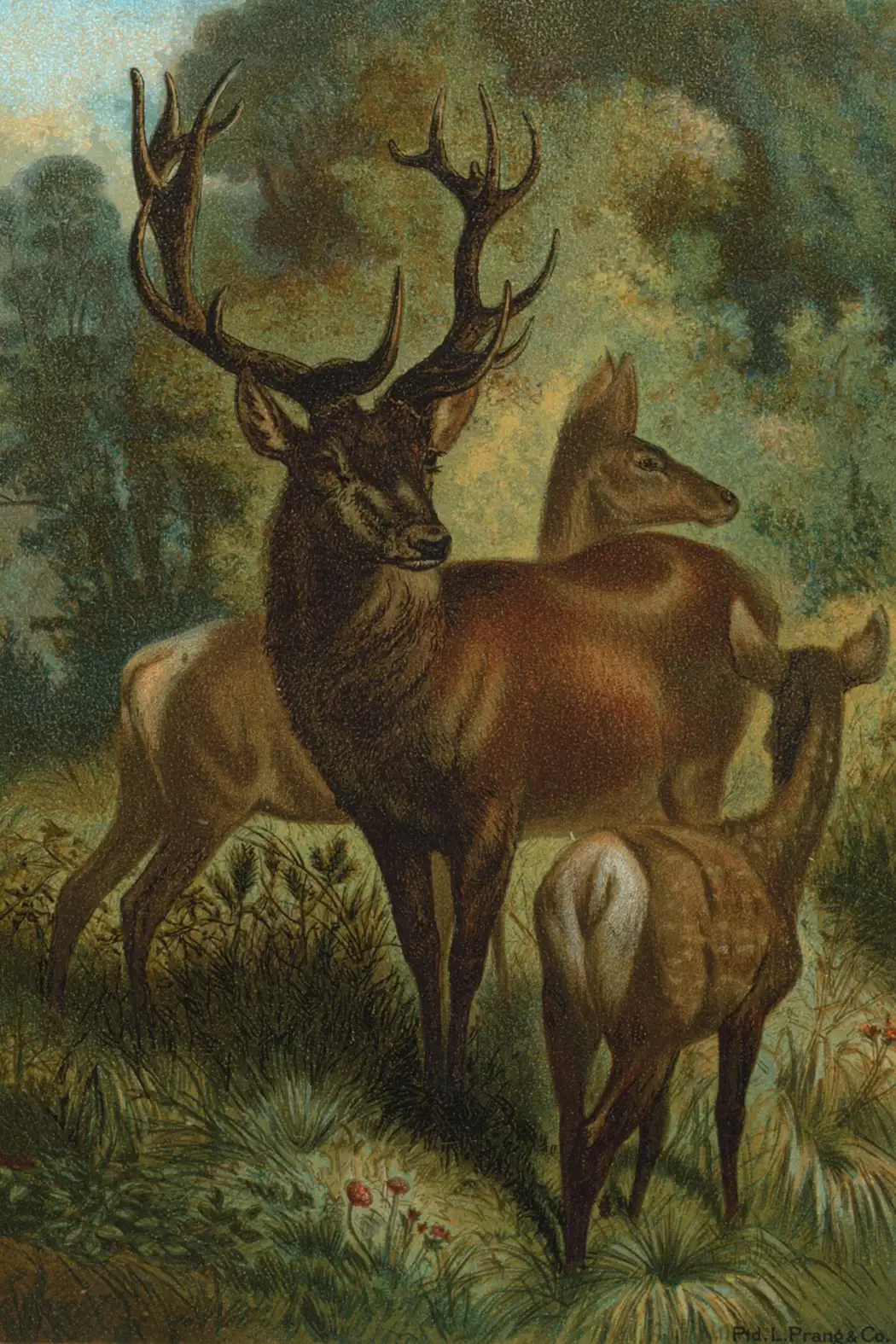
Bambi
What is Bambi about?
Bambi, a Life in the Woods (1923) is Felix Salten's original novel that inspired the famous Disney film—though the book is a far darker, more philosophical work. Bambi, a young roe deer, grows up in the forest learning to navigate its dangers: predators, hunters, and the mysterious, terrifying presence of "He"—man. As Bambi matures, he witnesses death, experiences love and loss, and gradually comes to understand the harsh realities of existence. Salten writes with poetic precision about the natural world while crafting a profound allegory about vulnerability, violence, and the struggle for survival that many scholars read as a reflection of the Jewish experience in Europe.
Main themes in Bambi
Nature Allegory
Nature Allegory emerges as a defining element in Bambi, shaping character development.
Forest Life
Bambi thoughtfully explores forest life through its central conflicts.
Coming of Age
Coming of Age emerges as a defining element in Bambi, shaping character development.
Violence and Survival
In Bambi, violence and survival provides a lens for understanding the story's core message.
Why Bambi is still relevant today
The original Bambi is a masterpiece of allegorical fiction that deserves to be read on its own terms, separate from the Disney adaptation. Its themes of vulnerability and survival resonate powerfully.
Frequently Asked Questions
What is the original Bambi about?
A young deer growing up in a dangerous forest, learning about death, love, and the terrifying presence of man—a dark philosophical allegory far from Disney.
How dark is the book compared to the movie?
Much darker—the book deals frankly with death, violence, and existential themes. It is an adult philosophical novel, not a children's story.
Where can I read Bambi online?
You can read the original novel free on TextStack.