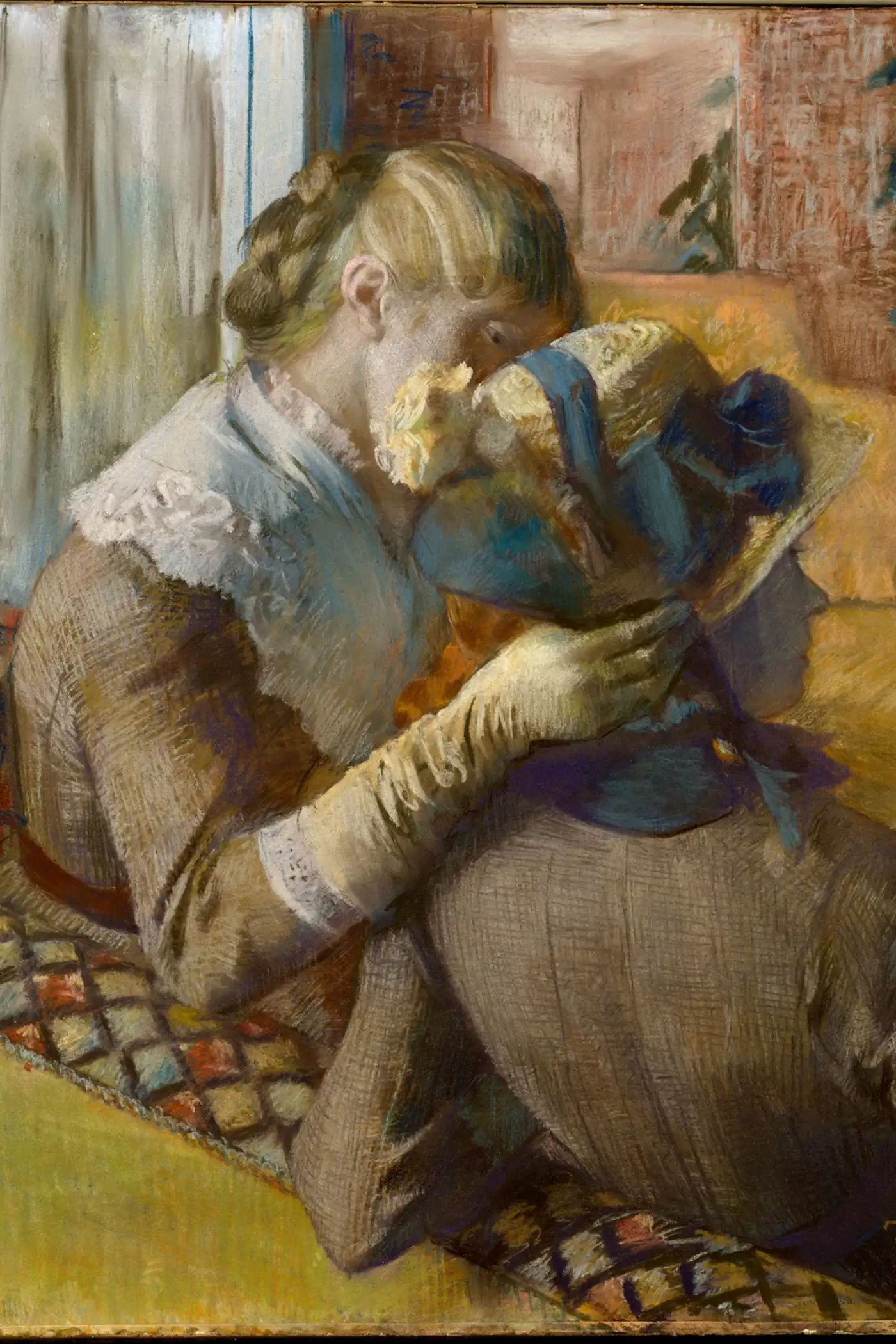
Blind Mice
What is Blind Mice about?
Blind Mice (1930) is C. Kay Scott's most acclaimed novel, a psychologically sharp and darkly witty exploration of human relationships and self-deception. Written with a modernist sensibility and a physician's clinical eye for behavior, the novel examines how people blind themselves to their own motivations and the consequences of their choices. Scott's prose is precise and sardonic, dissecting his characters' pretensions with surgical skill while maintaining genuine compassion for their failings. The novel was praised on publication for its psychological depth and stylistic polish.
Main themes in Blind Mice
Psychological Realism
Blind Mice thoughtfully explores psychological realism through its central conflicts.
Self-Deception
The theme of self-deception weaves through Blind Mice, adding depth to its narrative.
Modernist Novel
The theme of modernist novel weaves through Blind Mice, adding depth to its narrative.
Dark Comedy
The theme of dark comedy weaves through Blind Mice, adding depth to its narrative.
Why Blind Mice is still relevant today
Blind Mice is a rediscoverable gem of American literary modernism—psychologically acute, stylistically polished, and darkly funny.
Frequently Asked Questions
What is Blind Mice about?
A psychologically sharp novel exploring self-deception and human relationships with sardonic wit and clinical precision.
Is Blind Mice well-known?
It was praised on publication but has since been overlooked—a rediscoverable gem of American modernism.
Where can I read Blind Mice online?
You can read it free on TextStack.