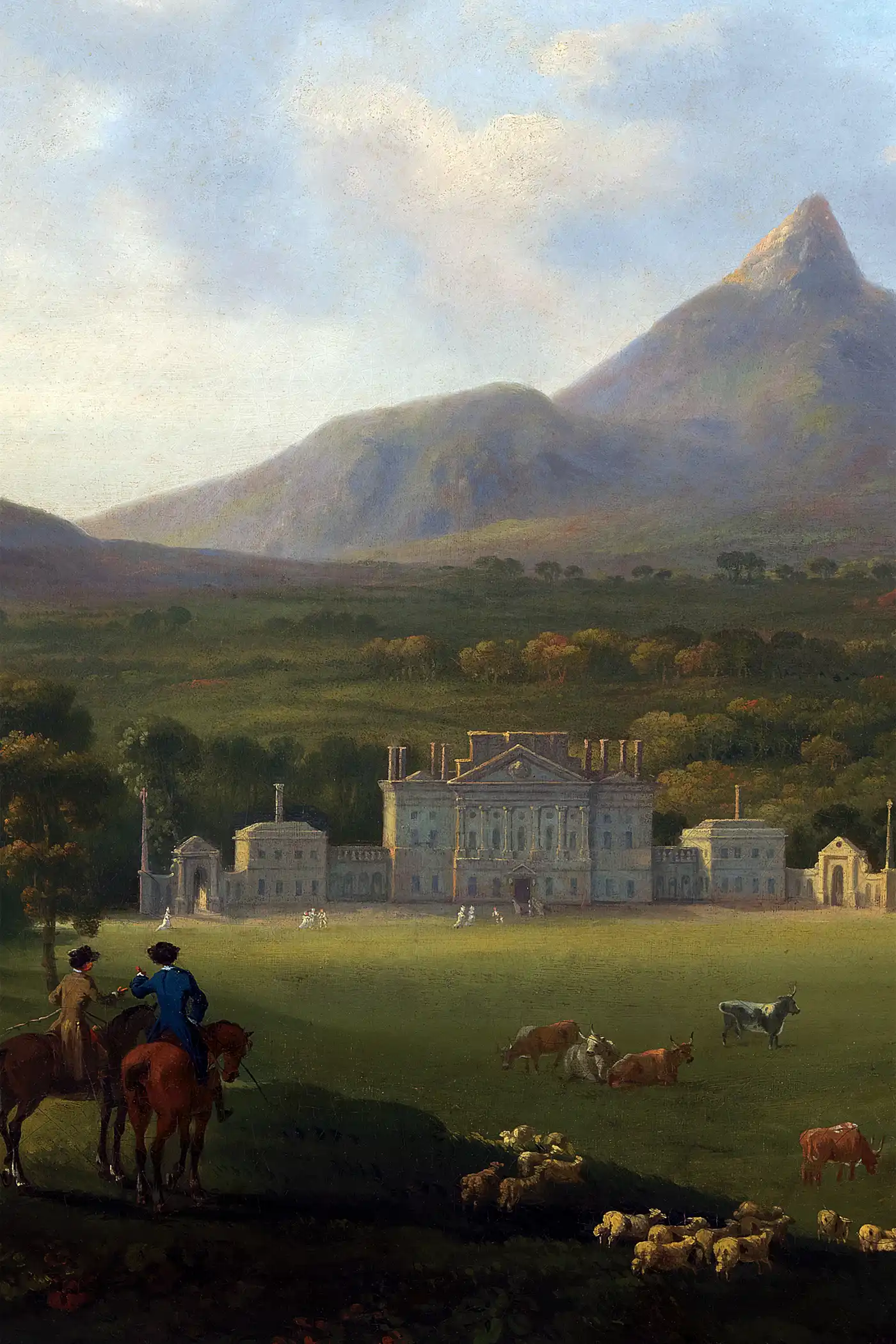
Castle Rackrent
What is Castle Rackrent about?
Castle Rackrent (1800) is Maria Edgeworth’s masterpiece, widely regarded as the first historical novel in English and a foundational work of Anglo-Irish literature. Narrated by Thady Quirk, a loyal old servant, the novel chronicles four generations of the Rackrent family’s decline from prosperous landowners to ruin through extravagance, litigation, drink, and mismanagement. Thady’s voice—loyal, garrulous, and unreliable—provides both comedy and irony as he inadvertently reveals the dysfunction, cruelty, and absurdity of the Anglo-Irish landlord class while professing admiration for his masters. Each generation of Rackrents represents a different form of ruinous behavior: Sir Patrick’s hospitality, Sir Murtagh’s litigiousness, Sir Kit’s gambling and domestic tyranny, and Sir Condy’s feckless generosity. Through this satirical chronicle, Edgeworth exposes the failures of the Anglo-Irish Ascendancy and the exploitation of the Irish tenantry. The novel’s innovative use of a vernacular narrator, its regional authenticity, and its historical perspective made it a breakthrough in fiction.
Main themes in Castle Rackrent
Anglo-Irish Relations
In Castle Rackrent, anglo-irish relations provides a lens for understanding the story's core message.
Unreliable Narrator
In Castle Rackrent, unreliable narrator provides a lens for understanding the story's core message.
Landlordism and Decline
The theme of landlordism and decline weaves through Castle Rackrent, adding depth to its narrative.
Social Satire
Castle Rackrent thoughtfully explores social satire through its central conflicts.
Why Castle Rackrent is still relevant today
Castle Rackrent pioneered narrative techniques—the unreliable narrator, regional dialect, and historical perspective—that became central to the novel tradition. Its critique of colonial landlordism remains relevant to post-colonial studies and discussions of social inequality.
Frequently Asked Questions
What is Castle Rackrent about?
A loyal servant narrates four generations of an Anglo-Irish landlord family’s decline through extravagance, cruelty, and mismanagement, inadvertently exposing the failures of the Irish ruling class. Read it free on TextStack.
Why is Castle Rackrent considered the first historical novel?
Published in 1800 but set in the recent past, it pioneered the use of historical perspective and regional authenticity in fiction, directly inspiring Walter Scott’s Waverley novels.
Is Castle Rackrent difficult to read?
The novel is short and entertaining, with Thady’s colorful narration providing both humor and insight. The Irish dialect adds charm without obscuring meaning.
How does Castle Rackrent relate to Irish history?
It provides a satirical portrait of the Anglo-Irish Ascendancy’s failures as landlords, documenting a system of exploitation that shaped Irish history for centuries.