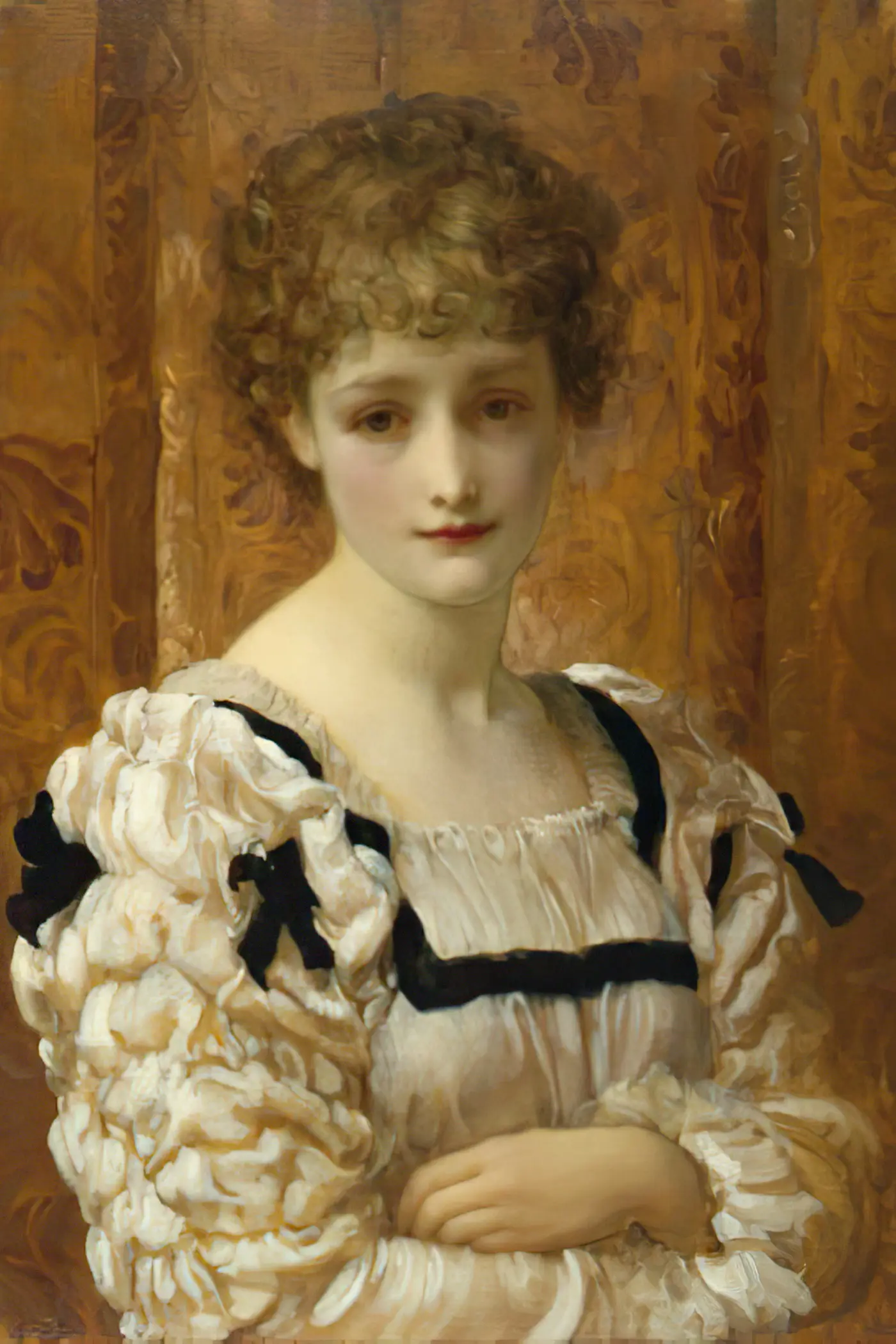
Clarissa
What is Clarissa about?
Clarissa; or, The History of a Young Lady (1748) is Samuel Richardson’s masterpiece and one of the greatest novels in the English language. Told entirely through letters, it chronicles the tragic story of Clarissa Harlowe, a virtuous young woman caught between her avaricious family and the brilliant but predatory Robert Lovelace. As Clarissa resists both her family’s mercenary marriage plans and Lovelace’s relentless pursuit, Richardson creates an unprecedented study of psychological manipulation, moral courage, and the destruction of innocence. At over a million words, it is one of the longest novels in English, but its intensity and insight have secured its place among the supreme achievements of fiction.
Main themes in Clarissa
Virtue and predation
The presence of virtue and predation in Clarissa connects readers to its enduring relevance.
Women’s autonomy
In Clarissa, women’s autonomy provides a lens for understanding the story's core message.
Psychological manipulation
Clarissa thoughtfully explores psychological manipulation through its central conflicts.
Epistolary form
The presence of epistolary form in Clarissa connects readers to its enduring relevance.
Why Clarissa is still relevant today
Clarissa remains essential to the history of the English novel. Its exploration of consent, coercion, and women’s autonomy feels remarkably contemporary, while its psychological depth influenced every major novelist who followed.
Frequently Asked Questions
What is Clarissa about?
A virtuous young woman’s struggle against her mercenary family and a charming predator, told through letters—a profound tragedy of innocence and manipulation.
Is Clarissa really the longest English novel?
At over a million words, it is one of the longest novels in English. Many readers approach it in stages.
Is Clarissa difficult to read?
The epistolary style takes adjustment, but Richardson’s psychological insight and dramatic tension are compelling once you settle into the rhythm.
Where can I read Clarissa free?
You can read the full text free on TextStack.