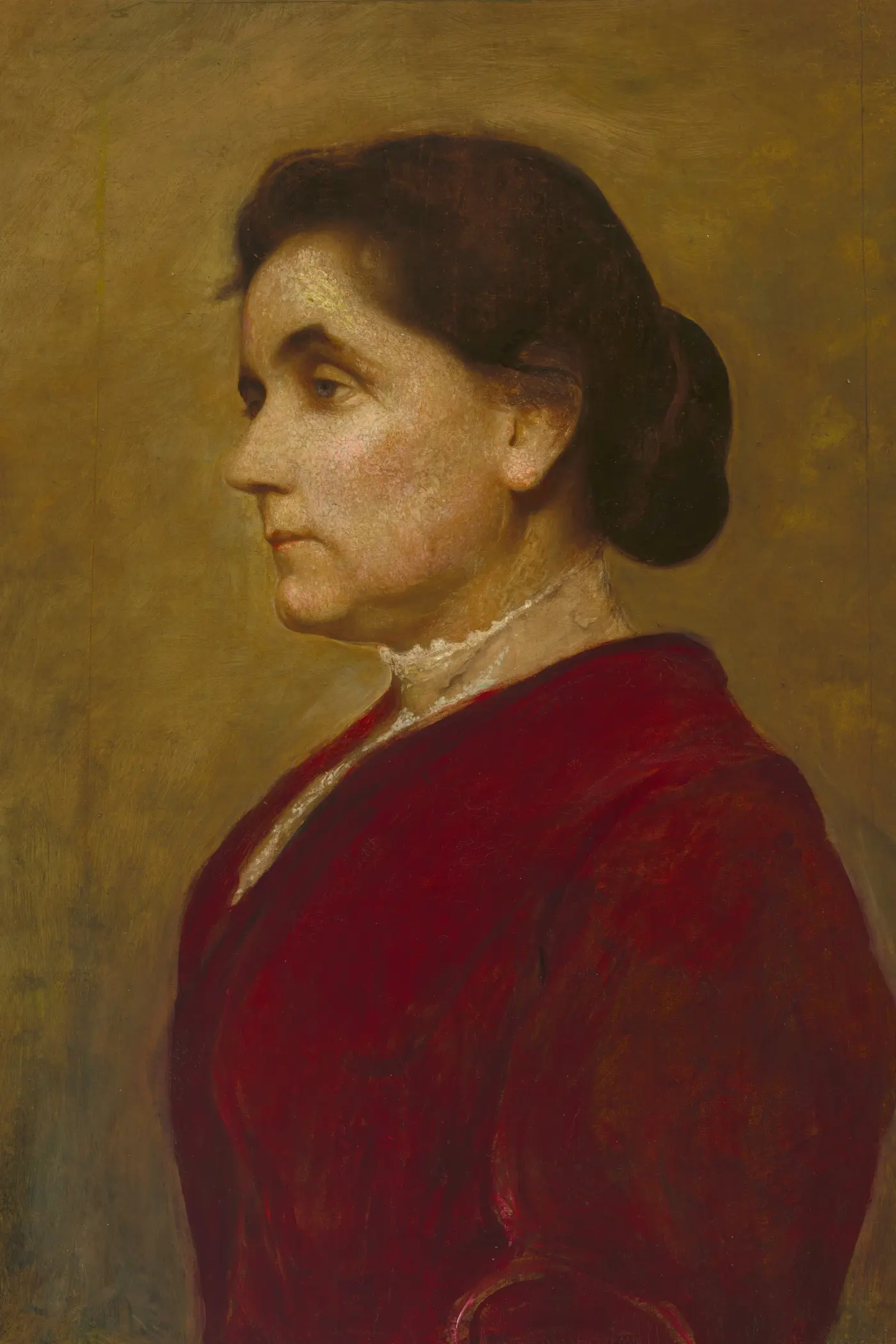
Democracy and Social Ethics
What is Democracy and Social Ethics about?
Democracy and Social Ethics (1902) is Jane Addams’s first major philosophical work, arguing that democracy must extend beyond politics into everyday social relationships. Drawing on her experience at Hull House, Addams examines how charitable work, family life, education, and industrial relations can embody democratic principles. She critiques paternalistic charity that treats the poor as objects rather than participants, advocating instead for mutual understanding across class lines. The book articulates Addams’s pragmatic philosophy of social democracy—the idea that democratic ideals must be practiced in daily life to be meaningful.
Main themes in Democracy and Social Ethics
Social democracy
The presence of social democracy in Democracy and Social Ethics connects readers to its enduring relevance.
Pragmatism
Democracy and Social Ethics thoughtfully explores pragmatism through its central conflicts.
Community organizing
The theme of community organizing weaves through Democracy and Social Ethics, adding depth to its narrative.
Charity reform
The theme of charity reform weaves through Democracy and Social Ethics, adding depth to its narrative.
Why Democracy and Social Ethics is still relevant today
Democracy and Social Ethics laid the philosophical groundwork for modern social work and community organizing. Addams’s arguments for participatory democracy and mutual aid remain relevant.
More by this author

Frequently Asked Questions
What is Democracy and Social Ethics about?
Addams argues that democracy must extend into everyday social relationships—charity, education, labor—not just politics.
Is it academic?
Addams writes accessibly, drawing on concrete Hull House experiences rather than abstract theory.
Is it still relevant?
Its arguments for participatory democracy and against paternalistic charity anticipate modern social justice approaches.
Can I read it free?
Yes, the complete text is available free on TextStack.