Diverging Roads
What is Diverging Roads about?
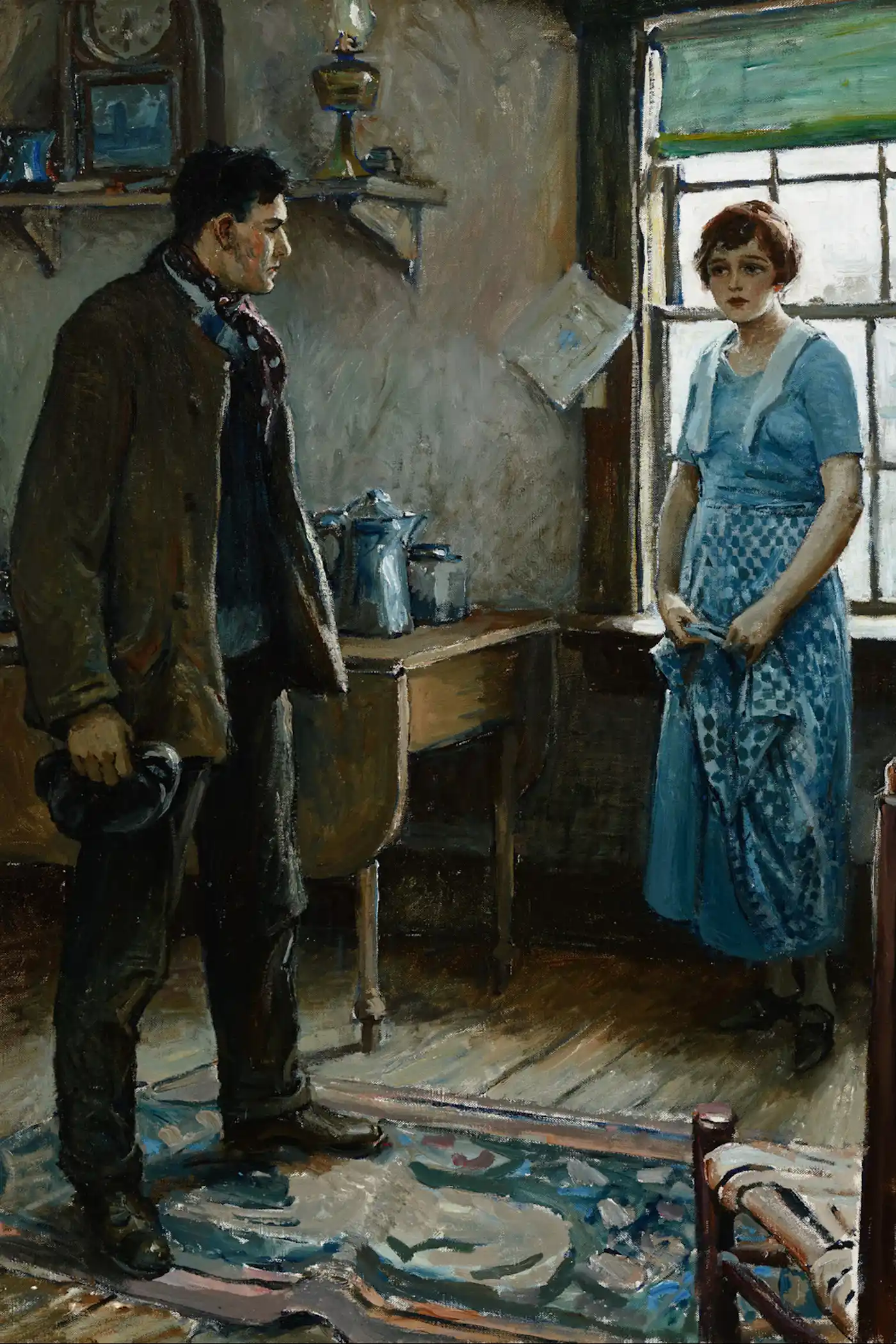
Diverging Roads (1919) is Rose Wilder Lane’s early novel drawing on her own experiences as a young woman seeking independence in early twentieth-century America. The story follows Helen and Paul, a young married couple whose different ambitions and values pull them in conflicting directions. Lane explores the tension between traditional domestic expectations and the desire for personal and professional fulfillment, themes that reflected her own restless, ambitious nature.
Main themes in Diverging Roads
Marriage and independence
Diverging Roads thoughtfully explores marriage and independence through its central conflicts.
Women’s ambition
In Diverging Roads, women’s ambition provides a lens for understanding the story's core message.
American domestic life
The theme of american domestic life weaves through Diverging Roads, adding depth to its narrative.
Gender roles
In Diverging Roads, gender roles provides a lens for understanding the story's core message.
Why Diverging Roads is still relevant today
Diverging Roads offers an early feminist perspective on marriage, ambition, and women’s independence that resonates with contemporary debates about work-life balance and gender roles.
Frequently Asked Questions
What is Diverging Roads about?
It follows a young married couple whose different ambitions create tension, exploring themes of independence, gender expectations, and fulfillment.
Is Diverging Roads autobiographical?
Lane drew on her own experiences of marriage and professional ambition, making it semi-autobiographical.
Is Diverging Roads difficult to read?
It is written in clear, accessible early twentieth-century prose and reads smoothly for modern audiences.
Where can I read Diverging Roads free?
You can read the full text free on TextStack.